Power to the Players Act Targets Video Game Server Shutdowns
Proposed legislation would force publishers to provide offline modes and reclassify digital purchases as owned property rather than revocable licenses.
A proposed federal bill aims to force video game publishers to keep purchased titles playable after online servers are permanently deactivated, targeting an industry practice that routinely renders $70 software useless within months of release.
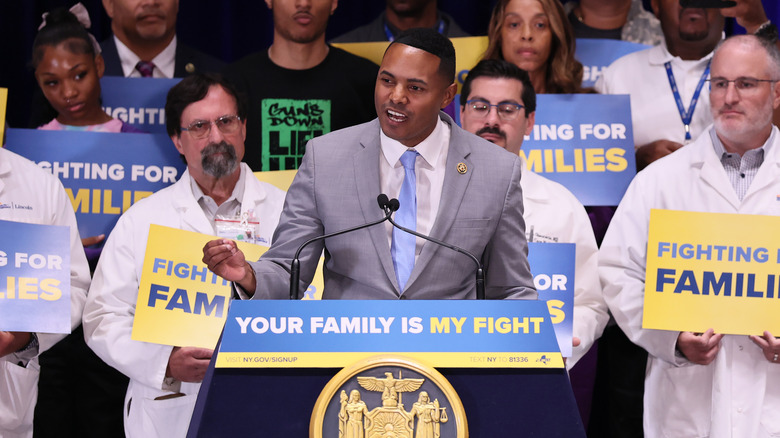
Representative Ritchie Torres (D-NY) is preparing to introduce the Power to the Players Act, legislation that would direct the Federal Trade Commission to establish rules guaranteeing consumers retain functional access to the video games they buy. The measure seeks to reclassify digital game transactions from revocable licenses into enforceable ownership rights and mandate that publishers provide offline functionality when shutting down multiplayer infrastructure.
The annual sports simulation market illustrates the financial scale of the problem. Publishers such as Take-Two Interactive, Electronic Arts, and Konami operate on a cycle where previous installments are aggressively delisted from digital storefronts to funnel players toward full-price sequels. NBA 2K25 launched in 2024 at $70 and is scheduled for removal from digital platforms on October 30. By December, 2K plans to sever the server connections powering its online modes. Because modern sports titles rely heavily on persistent internet connectivity for core features like roster updates, matchmaking, and progression systems, the impending shutdown effectively strips buyers of the product they paid for just two years prior.


This lifecycle extends far beyond sports games. Massively multiplayer online titles, live-service shooters, and even single-player experiences requiring mandatory always-online authentication have been permanently erased when publishers decide maintenance costs outweigh revenue. Unlike physical media such as vinyl records or printed books, which degrade naturally but remain accessible to the owner, digital entertainment currently exists only at the discretion of the copyright holder. Torres characterized the proposed protections as a restoration of historical norms that governed physical software sales before the industry shifted almost entirely to digital distribution.
Consumer advocacy has intensified alongside these corporate practices. The Stop Killing Games campaign has mobilized international pressure, gathering millions of signatures on petitions urging regulators to treat game preservation as a fundamental consumer right. In Europe, similar debates have prompted discussions within the European Union about amending digital goods directives to require end-of-life support plans for connected software.
Translating that momentum into U.S. law faces severe structural headwinds. A comparable effort in California stalled after dying in committee in June, demonstrating the difficulty of passing game-preservation mandates even in states with robust consumer protection histories. Industry lobbying groups representing major publishers have consistently argued that mandating perpetual server support or offline fallbacks imposes unsustainable technical burdens and infringes on intellectual property management.
Federal enforcement presents an even steeper challenge. The Supreme Court’s 2024 decision in Loper Bright Enterprises v. Raimondo dismantled Chevron deference, the decades-old legal doctrine that required courts to defer to federal agencies interpreting ambiguous statutes. Stripped of that judicial shield, the FTC operates under intense scrutiny. Its recent attempt to implement a nationwide ban on noncompete clauses was blocked by a federal judge who ruled the commission lacked the statutory authority to issue such sweeping regulations. Any FTC rulemaking targeting the gaming industry under the Power to the Players Act would likely face identical legal challenges from well-funded corporate plaintiffs arguing the agency is overstepping its congressional mandate.
Torres indicated to Kotaku that establishing a precedent for software ownership could eventually expand to cover other forms of digital media, including e-books, streaming films, and downloaded music, all of which currently vanish if a platform loses licensing rights or ceases operations.
A draft text of the Power to the Players Act has not yet been made available to the public or formally introduced on the House floor.