Withings Gates Apple Health Sync Behind $100-a-Year Subscription for New Users
New accounts after Oct. 13 must pay $100/year for automatic third-party sync; competitors still offer it free
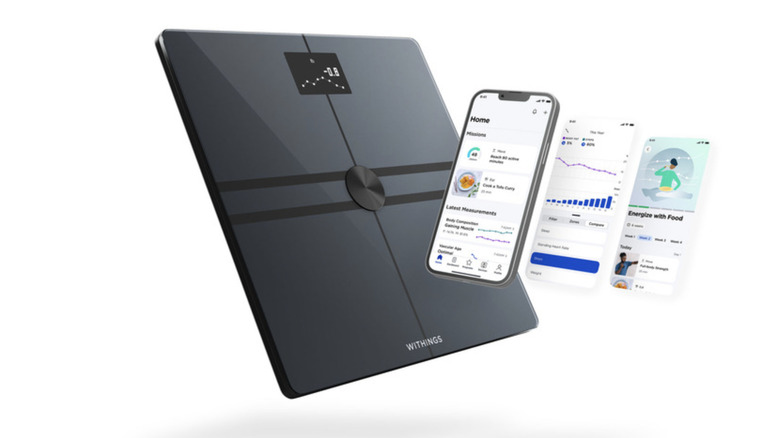
Withings has quietly moved automatic data synchronization with Apple Health and other third-party platforms behind its paid Withings+ membership, a change that took effect for accounts created after Oct. 13 and has drawn immediate criticism from the company’s user base.
The French health-hardware maker confirmed the shift in an official forum reply, stating that “automatic sync to third-party apps is part of Withings+” for new customers. The subscription costs $99.95 annually. Existing accounts retain free automatic syncing, but anyone signing up now faces a choice: pay for the membership or manually export and re-upload CSV or PDF files each time they want fresh data in Apple Health, Google Fit, or similar services.
The move affects the full Withings ecosystem, including the newly released Body Scan 2 scale ($599.95), the Body Smart ($99.95), ScanWatch wearables, and blood-pressure monitors. Withings+ also unlocks advanced metrics such as vascular age, electrochemical skin conductance, and AI-driven health insights — features the company previously marketed as differentiators for its premium hardware rather than subscription add-ons.

Competitors offer a stark contrast. Garmin, Fitbit, Oura, and Apple all allow free automatic export to Apple Health and Google Fit. Even budget brands such as Xiaomi and Amazfit provide the capability at no extra cost. Industry analysts say Withings’ decision reflects a broader push by hardware vendors to convert one-time device sales into recurring revenue streams, a model pioneered by Peloton and Whoop but rare in the connected-scale category.
Data-portability advocates warn the change undermines interoperability principles that regulators in the U.S. and EU have encouraged. The 21st Century Cures Act and the EU’s Data Act both promote frictionless patient access to health data, though neither explicitly mandates free third-party API access for consumer devices.
For new Withings owners unwilling to subscribe, the workaround is labor-intensive: open the Withings app, navigate to each measurement category, export a file, then import it into Apple Health via the Health app’s “Import Data” function — a process that must be repeated after every weigh-in or blood-pressure reading to keep records current.
Withings has not responded to requests for comment on whether the policy will extend to enterprise or research partnerships that rely on its API, nor whether existing users will eventually be migrated to the same model.