

FCC Sets 2028 Deadline to Ban Chinese Electronics Testing Labs
The rule targets physical lab locations rather than ownership, affecting Western firms operating inside mainland China.
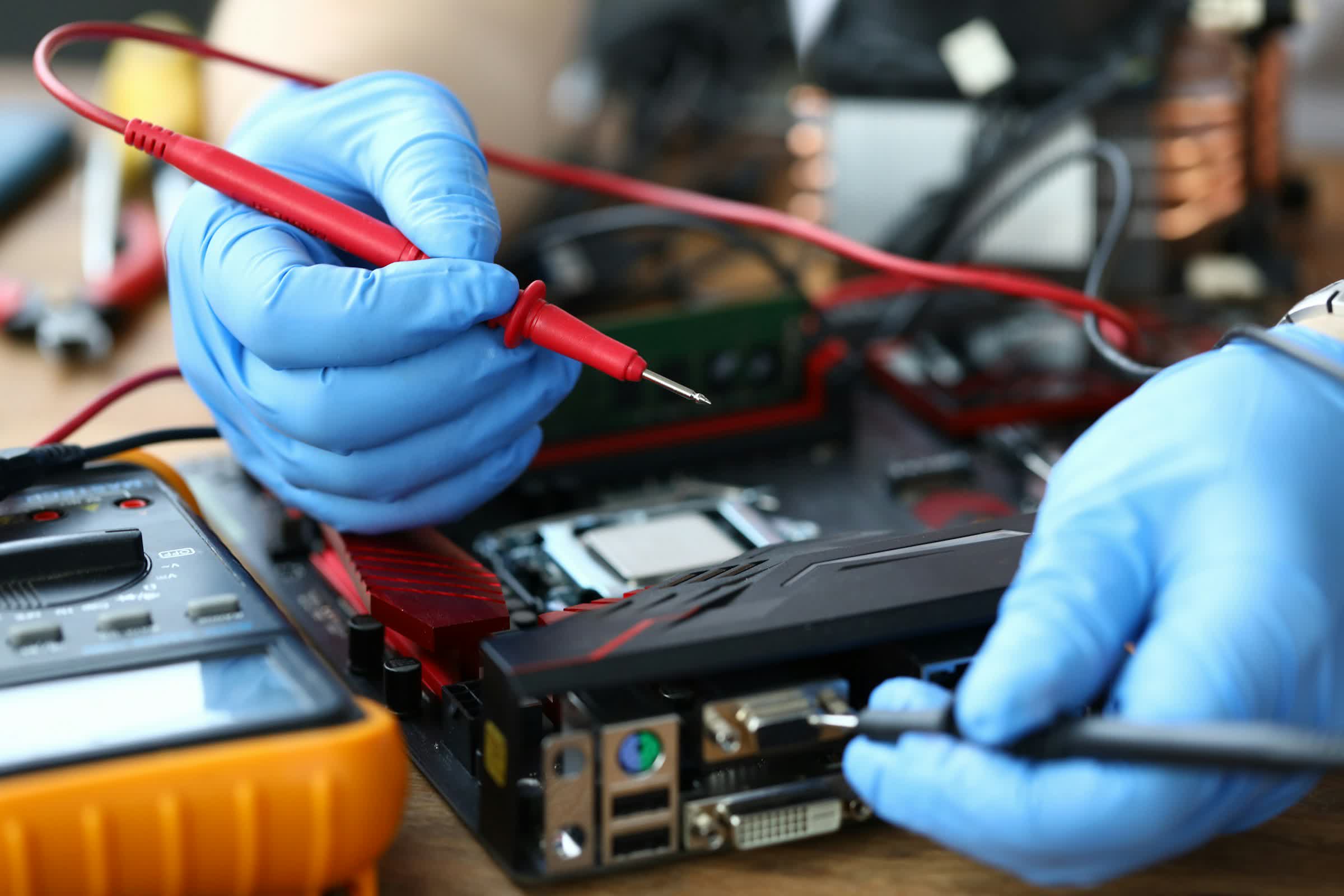
U.S. electronics manufacturers face a December 2028 deadline to relocate their product testing operations out of mainland China under new Federal Communications Commission rules scheduled for a vote on October 29.
The draft order would bar any laboratory physically located in mainland China from performing measurements, technical analysis, or test report preparation required for FCC equipment authorization. The restriction applies regardless of the lab’s ownership, meaning facilities operated by American or European companies inside China would lose their recognition alongside Chinese-owned entities. Routine administrative tasks and research testing unrelated to certification would remain exempt.
Equipment authorization is a mandatory step before wireless devices, telecommunications hardware, and most consumer electronics can be legally marketed in the United States. The process verifies that products comply with FCC standards for radio frequency emissions, interference prevention, and spectrum allocation. Without it, retailers cannot sell the hardware and importers risk seizure at U.S. ports.


The scale of the required relocation is massive. According to the commission, 82% of all electronic devices authorized for sale in the U.S. last year underwent testing in mainland China. Fewer than 4% were tested in American laboratories. Manufacturers have historically relied on Chinese testing infrastructure because labs are often co-located with manufacturing hubs in Shenzhen, Dongguan, and surrounding industrial zones, allowing engineers to rapidly iterate prototypes and resolve compliance failures without shipping hardware internationally.
Under the proposed framework, recognition would be restricted to labs operating within the United States or in economies that maintain reciprocal recognition agreements with Washington. A legal analysis by Steptoe notes that the current draft explicitly includes Hong Kong and Taiwan among eligible reciprocal jurisdictions, narrowing the geographic scope compared to earlier reports that suggested a blanket ban encompassing those territories.
The October 29 vote represents the final stage of a phased regulatory effort. The FCC first targeted foreign adversary-linked testing facilities in May 2025, focusing specifically on labs owned or controlled by blacklisted companies and governments. That initial action resulted in 29 laboratories losing their recognition, but left the majority of Chinese-based facilities operational. In April 2026, commissioners advanced the broader territorial approach and opened a public comment period. The upcoming vote would convert that proposal into binding regulation.
Chairman Brendan Carr has framed the concentration of testing infrastructure in a single adversarial nation as both a national security vulnerability and a supply chain disruption risk. If access to Chinese labs were suddenly severed due to geopolitical conflict or retaliatory trade measures, the U.S. market could face immediate hardware shortages across multiple sectors.
Devices already holding FCC certification will not require retesting. The transition period gives manufacturers approximately two years to establish alternative testing pipelines. However, the shift threatens to introduce significant friction into product development cycles. Shipping pre-production units to accredited labs in South Korea, Japan, Vietnam, or the United States adds logistical costs and extends timelines, pressures that typically fall heaviest on smaller hardware startups lacking global compliance teams.
The international standard for these testing facilities is ISO/IEC 17025, which governs the competence of testing and calibration laboratories. Building new ISO-accredited facilities outside China requires substantial capital investment, specialized anechoic chambers, calibrated RF measurement equipment, and trained personnel. Global capacity constraints among existing accredited labs outside mainland China could create bottlenecks if hundreds of manufacturers attempt to migrate their testing workflows simultaneously before the December 1, 2028 cutoff.
The FCC’s five-member commission currently holds a Republican majority. If approved as drafted, the order will join a broader interagency campaign restricting Chinese involvement in U.S. communications infrastructure, following previous actions against Huawei and ZTE network equipment and the revocation of operating authorizations for several Chinese state-backed telecommunications carriers.









