Seahawks coach Macdonald faults Darnold after OT loss to Broncos
Two interceptions, including a game-ending pick in overtime, prompted rare public criticism from Seattle's head coach.

Seattle Seahawks head coach Mike Macdonald placed the burden of Thursday night’s 17-14 overtime defeat squarely on Sam Darnold, breaking from the typical postgame script that shields starting quarterbacks from direct blame.
“The quarterback leads the team,” Macdonald told reporters at Empower Field at Mile High. “It wasn’t performance that was good enough to win the game.”
The reigning Super Bowl champions have now dropped consecutive contests, exposing a roster built for a deep postseason run but increasingly reliant on erratic quarterback play. Darnold completed 27 of 51 passes for 278 yards and no touchdowns against Denver. He was sacked five times, losing 38 yards behind the line of scrimmage.
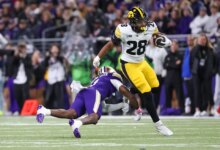

Thursday marked the second straight week Macdonald has publicly challenged his starter. NFL head coaches routinely deflect criticism away from their primary signal-caller to maintain locker room cohesion, making Macdonald’s repeated willingness to name Darnold as the limiting factor a notable shift in tone for a franchise managing championship expectations.
The turnovers proved fatal. Darnold threw an interception with 1:25 remaining in regulation that halted a potential go-ahead drive. After Denver failed to capitalize on the turnover, the game moved to overtime, where Broncos defensive back Ja’Quan McMillian picked off Darnold again. Four plays later, Wil Lutz connected on a 53-yard field goal to end the contest.
Overtime under current NFL rules guarantees both teams a possession unless the first team scores a touchdown. A field goal allows the opposing team a chance to answer. McMillian’s interception eliminated Seattle’s opportunity entirely, handing Denver immediate field position inside scoring range.
Darnold’s struggles trace back to the opening weeks of the season. He sustained an injury during Week 1, forcing backup Drew Lock into extensive action during a 2-0 start. When Darnold returned for Week 3, the offense immediately stalled in a loss to the Washington Commanders. Seattle bounced back to beat the Los Angeles Chargers in Week 4 before falling into its current two-game slide.
The inconsistency raises questions about whether Darnold fully recovered physically or if the early disruption permanently fractured his timing with Seattle’s receiving corps. Wide receiver Jaxon Smith-Njigba has continued to produce at historic levels despite the offensive dysfunction, indicating the supporting cast is performing above standard while the passing game stalls at the point of distribution.
Macdonald, who took over the Seahawks ahead of last season after serving as Baltimore Ravens defensive coordinator, inherited a veteran-heavy roster designed to maximize a narrow championship window. His defensive pedigree means he understands better than most how quickly turnovers erase schematic advantages.
Denver’s pass rush exploited Seattle’s protection schemes repeatedly, collapsing the pocket and forcing Darnold into hurried decisions. The Broncos’ ability to generate pressure without consistently sacrificing coverage personnel left the Seahawks unable to sustain drives beyond short-yardage situations.
Seattle sits at 3-3 heading into the latter half of October, a record that keeps them within reach of the NFC West lead but leaves zero margin for further quarterback instability. The Seahawks return home next week needing to stabilize an offense that has scored 14 or fewer points in three of Darnold’s four starts this season.