Strait of Hormuz Talks Expose Strategic Rifts Over Regional Mediation and U.S.-Iran Strategy
Disagreements over military access, diplomatic neutrality, and energy pipeline security complicate efforts to broker a shipping deal with Tehran.
International mediators are attempting to finalize a standalone maritime arrangement for the Strait of Hormuz to protect commercial shipping, amidst growing friction over the role of regional intermediaries and military cooperation in U.S.-Iran diplomatic talks.
The diplomatic push follows severe criticism from retired Army Gen. Jack Keane, former Army vice chief of staff, who questioned whether Pakistan, Qatar, and Saudi Arabia should be trusted to shape negotiations. Keane asserted that Pakistan and Qatar are compromised mediators that historically favor Tehran, while claiming Saudi Arabia denied the U.S. access to its airspace and an air base during planning for potential military operations to forcibly reopen the Strait of Hormuz.
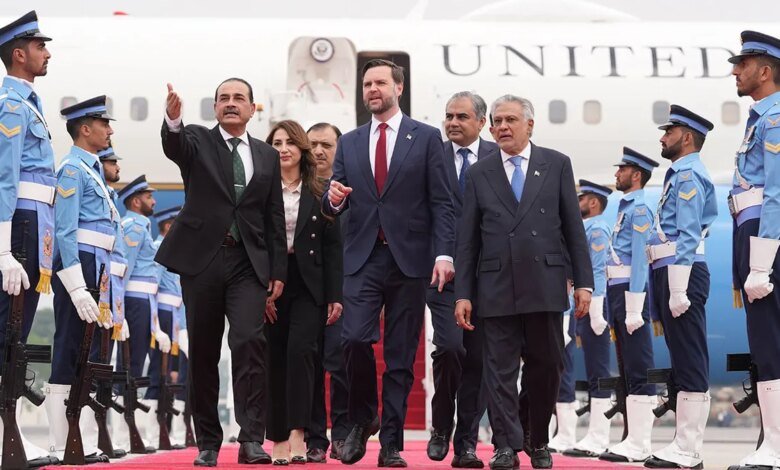
Despite these criticisms, President Donald Trump has publicly praised Islamabad’s involvement, noting during an April 26 interview that Pakistani officials tried to advance talks and crediting both Pakistan and Qatar after the June 18 G7 summit for helping produce the U.S.–Iran memorandum of understanding. Vice President JD Vance previously traveled to Islamabad on April 11, 2026, for meetings with Pakistan’s Chief of Army Staff Field Marshal Asim Munir and Foreign Minister Mohammad Ishaq Dar ahead of discussions involving Iranian representatives.
The strategic dynamics are further complicated by regional energy infrastructure. Richard Goldberg, a senior adviser at the Foundation for Defense of Democracies and former National Security Council official, highlighted that Washington relies on Saudi Arabia’s overland pipelines operating at maximum capacity toward the Red Sea to sustain economic pressure on Iran. Meanwhile, Saudi geopolitical analyst Salman Al-Ansari defended Riyadh’s posture, stating the kingdom supports diplomacy backed by credible deterrence rather than an open-ended war lacking clear strategic objectives.

Caution among Gulf states stems significantly from vulnerable domestic infrastructure exposed during past regional flare-ups, such as strikes on the Fujairah industrial zone in the United Arab Emirates following joint U.S.-Israeli strikes on February 28, 2026. A regional affairs analyst noted a strategic split within the Gulf Cooperation Council: while Saudi Arabia and Qatar lean toward diplomatic accommodation to avoid direct retaliation, the United Arab Emirates, Bahrain, and Kuwait favor applying firmer military and economic pressure against Tehran.
Defending Islamabad’s diplomatic posture, Raza Rumi, editor-at-large of Pakistan’s The Friday Times, rejected claims that Pakistani mediation misled American officials, pointing out that Pakistan shares a long border with Iran and engaged in mutual missile strikes with Tehran in January 2024. Under a June 22 joint statement, Pakistan and Qatar established working groups focusing on nuclear compliance, sanctions relief, and a dedicated mechanism to prevent naval escalations along commercial sea lanes.

The Strait of Hormuz remains the central focal point of immediate talks, serving as the transit corridor for roughly a fifth of global petroleum supply. Mediators are working on a separate memorandum that would designate distinct commercial shipping routes through Iranian and Omani territorial waters, isolating maritime security from complex nuclear enrichment disputes. Keane expressed skepticism over whether Tehran would genuinely honor such provisions, arguing Iran considers control over the waterway a vital strategic leverage point it will not willingly forfeit.
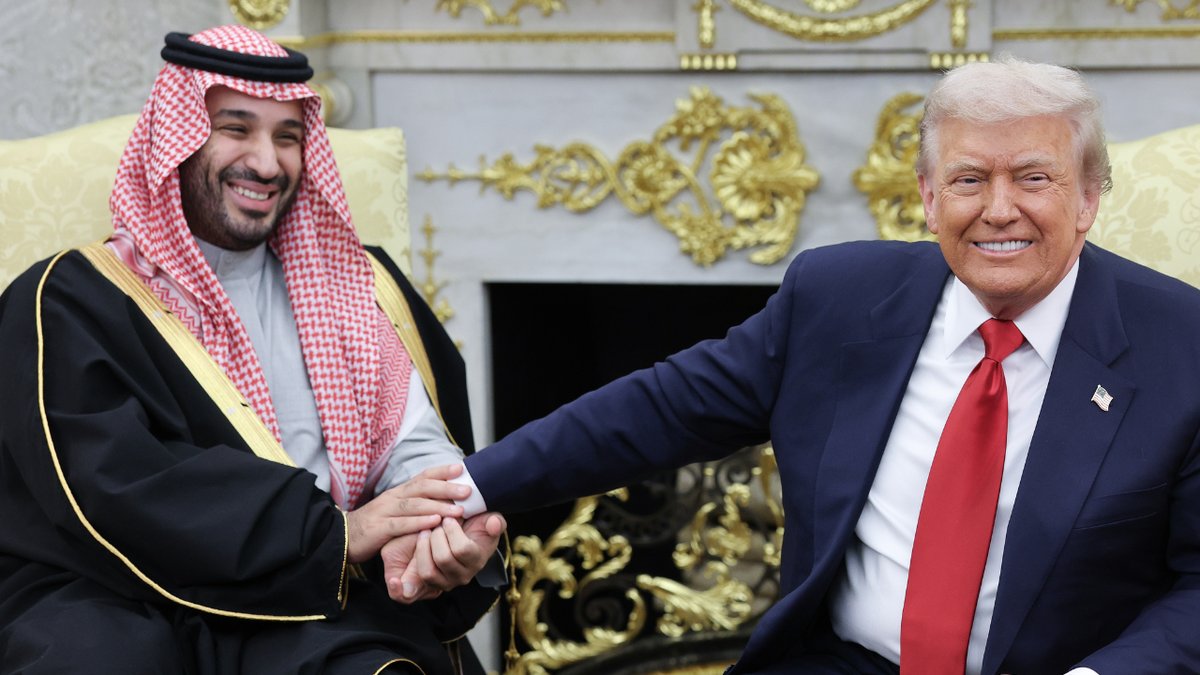
Addressing questions regarding the negotiations, White House spokesperson Anna Kelly affirmed that President Trump maintains strong ties with leaders in Islamabad, Doha, and Riyadh. Kelly stressed that if diplomatic talks break down, responsibility will lie squarely with the regime in Tehran, which will face the consequences.
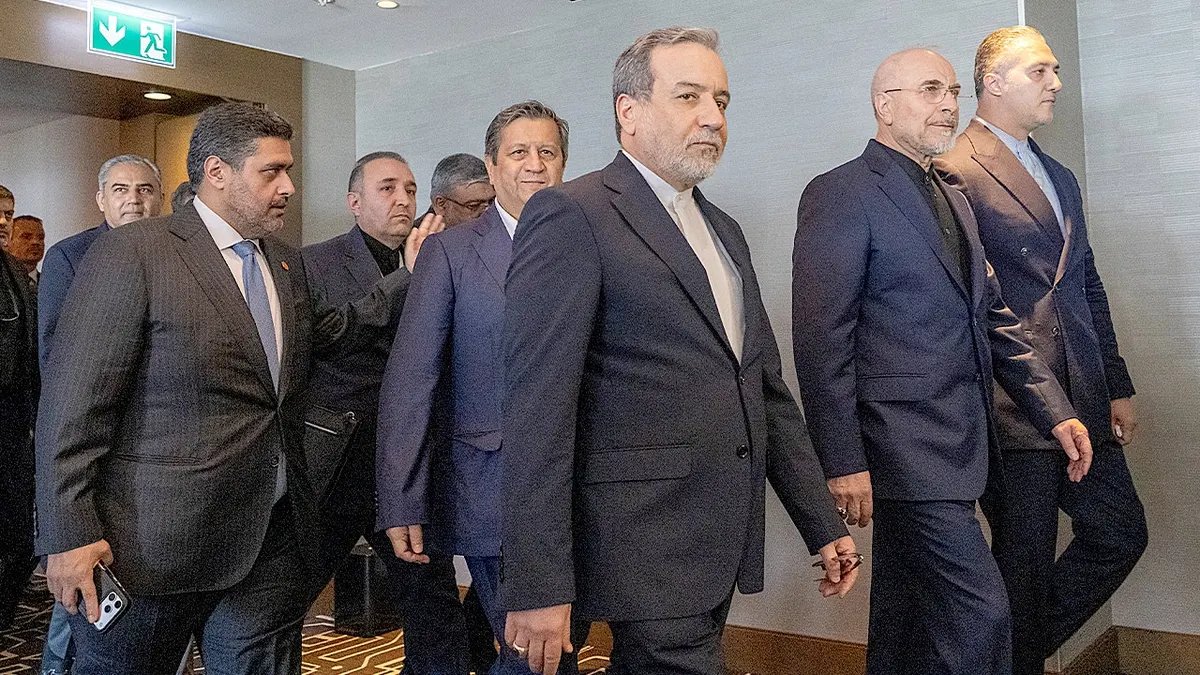
The ongoing diplomatic initiative, facilitated jointly by Oman, Pakistan, Qatar, and Saudi Arabia, continues to navigate parallel working groups tasked with dispute resolution and monitoring mechanisms under the broader Islamabad framework.