FIFA Apologizes for World Cup Commercial Plan as Infantino Faces Escalating Governance Crisis
Gianni Infantino faces intense governance backlash after scrapping a plan to sell World Cup commercial stakes.
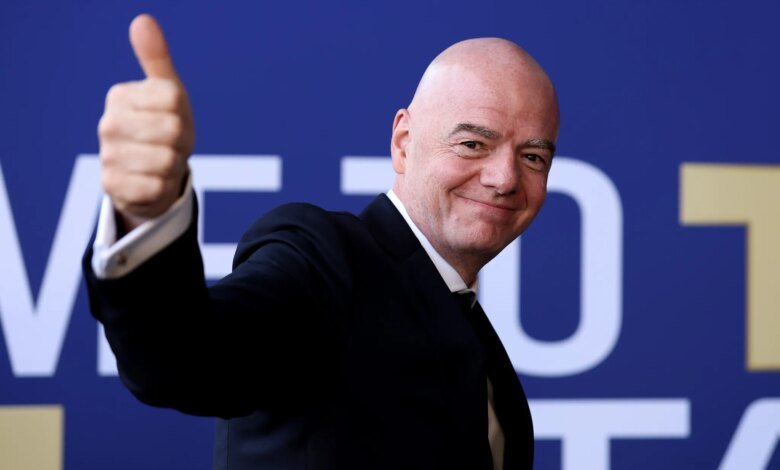
FIFA issued an official apology on Wednesday following a failed attempt by President Gianni Infantino to sell commercial stakes in the World Cup, as mounting backlash from domestic leagues, confederations, and political leaders threatens his presidency ahead of elections in March.
During a crisis meeting in Rabat, Morocco, world soccer’s governing body confirmed that the controversial proposal to sell commercial rights through a subsidiary named FIFA Forward Enterprise (FFE) is “now off the table.” In a statement, FIFA noted that “mistakes made were acknowledged” and admitted that the “process should have been handled differently.” FIFA confirmed it had issued a formal letter to member associations and the FIFA Council to apologize for the missteps and promised to “ensure they do not happen again.”
FIFA announced that executive board members and Secretary-General Mattias Grafström who attended the Moroccan meeting “reaffirmed their full support” for Infantino, who in turn expressed backing for Grafström. The public show of unity follows an internal email in which Grafström previously characterized the situation to FIFA staff as a “sad and reproachable series of events.” Reflecting on the collapse of the project, FIFA stated that “There are always lessons to be learned, and FIFA will continue to improve its processes in light of this experience,”
The reversal failed to quell widespread opposition from top European competitions. The association of European soccer leagues—representing major domestic competitions including the Premier League, La Liga, and Serie A—labeled the FFE plan “dangerous” and stated that it highlighted deeper systemic problems across the organization, raising “serious questions about FIFA’s governance, internal culture and decision-making.”
Demanding immediate structural changes, the European body declared, “Now more than ever, FIFA requires governance reform that ensures that all relevant stakeholders have a formal role in decisions that shape the future of our game.” Addressing rumors surrounding further tournament expansions to 64 teams, the organization warned that “FIFA must not be allowed to continue taking unilaterally disruptive decisions” and pledged to reject the “expansion or creation” of FIFA events until reform is achieved.
Pressure on Infantino has expanded beyond domestic leagues to encompass major international federations. European governing body UEFA previously voted to boycott the World Cup over the FFE initiative and maintained it has lost confidence in FIFA leadership even after the plan was abandoned. North and Central American governing body CONCACAF warned that FIFA leadership had “stopped putting football first,” while former Portugal and Real Madrid star Luis Figo urged Infantino to resign, stating he had “debased the office.”
Political figures involved in upcoming tournaments have also withdrawn support. Canadian Prime Minister Mark Carney, who had collaborated with Infantino on preparations for the 2026 World Cup co-hosted by Canada, Mexico, and the United States, described the lack of executive consultation as a “fatal” failure of governance. “Certainly I don’t have confidence in Mr. Infantino,” Carney said on Wednesday.
The controversy has exposed severe internal turmoil within FIFA. Senior adviser Carlos Cordeiro resigned last week, while chief operating officer Kevin Lamour publicly stated that staff were “deceived” by Infantino’s lack of openness. Chief of global football development Arsène Wenger also distanced himself from the commercial scheme as Infantino prepares to run for a fourth and final term.
Amid the political crisis, FIFA dismissed allegations that Infantino attempted to secure political support by promising Morocco the hosting rights for the 2030 World Cup final. Morocco is co-hosting the 2030 tournament alongside Spain and Portugal and hopes to stage the match at the planned 115,000-seat King Hassan II Stadium near Casablanca, competing against Spanish venues such as the home grounds of Real Madrid and Barcelona.
A FIFA spokesperson denied the report, stating it is “false and misleading to claim the FIFA president has made any promise in relation to hosting the FIFA World Cup 2030 final. A decision will be made by FIFA in due course.”