Daniel Ortega Declares Nicaragua Will No Longer Hold Elections
The long-serving leader and his wife Rosario Murillo shut down the country's remaining democratic pathways.
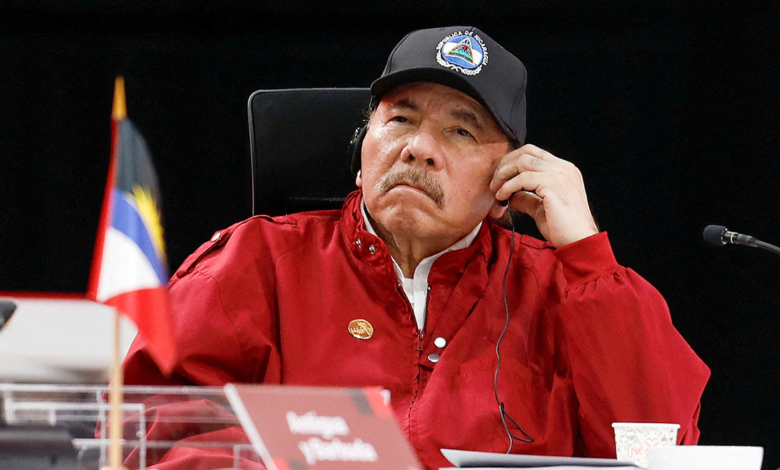
Nicaraguan President Daniel Ortega has announced that the Central American nation will no longer hold elections, effectively shutting down any remaining democratic avenue for political opposition to challenge his administration. Ortega, who rules alongside his wife, Co-President Rosario Murillo, made the declaration during a public address on Sunday.
The announcement formalizes what international observers and domestic critics have described as a steady descent into absolute authoritarianism. Ortega, Nicaragua’s longest-serving leader, has held power continuously since 2007, having previously led the country during the 1980s. His current presidential term is scheduled to run through 2027.
“There won’t be any more elections here for them to try to seize the government and seize power,” Ortega said during a speech commemorating the 1979 Sandinista revolution. The historic event marked the overthrow of the U.S.-backed dictatorship of Anastasio Somoza, a conflict in which Ortega himself participated.
In his address, Ortega framed the decision as a permanent barrier against foreign influence and domestic rivals. “The days when parties backed by the Yankees and the Somocistas would return to power are over — never again,” he declared.
The move to cancel future votes follows years of systematic consolidation of power by the ruling couple. In 2025, sweeping constitutional changes took effect, extending the presidential term from five years to six and officially elevating Murillo from vice president to “co-president.” These reforms also formally placed the country’s legislative, judicial, and electoral institutions directly under the control of the presidency, according to experts from the United Nations.

Human rights organizations and international bodies have long warned that democratic processes in Nicaragua had already been hollowed out. Salvador Marenco, a coordinator for the Costa Rica-based Nicaragua Nunca Más Human Rights Collective, noted that Ortega had effectively eliminated meaningful electoral competition during the 2011, 2016, and 2021 election cycles.
During the disputed 2021 presidential election, which the Biden administration denounced as illegitimate, Nicaraguan authorities carried out a sweeping crackdown. Security forces arrested prominent opposition figures, presidential candidates, business leaders, and independent journalists, effectively clearing the field for Ortega’s re-election. Since then, many opposition leaders have been imprisoned, forced into exile, or stripped of their Nicaraguan citizenship, while civic organizations and rival political parties have had their legal status revoked.
The suppression of dissent has drawn severe international condemnation. A United Nations group of experts has accused the Ortega-Murillo administration of systematic human rights violations aimed at neutralizing any criticism to preserve their grip on power. The panel indicated that some of these state-sponsored actions may constitute crimes against humanity. This pattern of repression intensified significantly following the 2018 anti-government protests, during which a violent state crackdown resulted in the deaths of more than 300 people, according to international human rights groups.
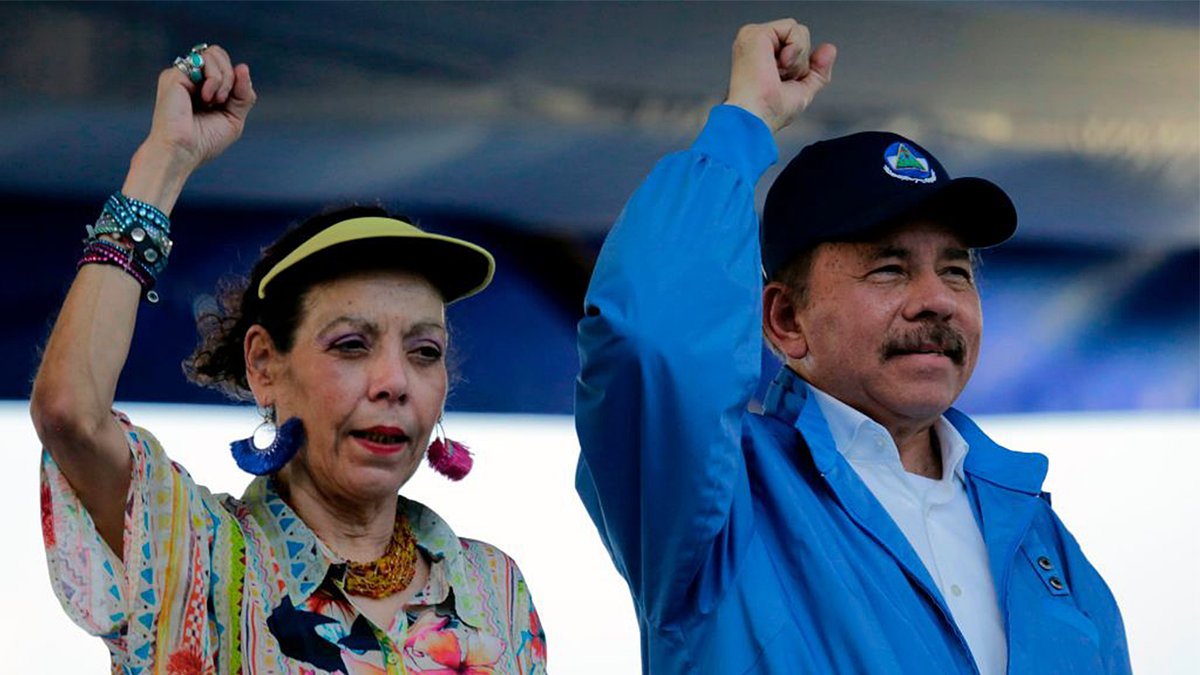
In response to the ongoing political repression, the United States has repeatedly tightened economic and diplomatic pressure on Managua. The Trump administration previously designated the Ortega-Murillo government as a dictatorship and implemented targeted sanctions against key officials and their associates. Additionally, the U.S. Department of State has imposed visa restrictions targeting more than 2,350 Nicaraguan officials and their relatives.
U.S. Secretary of State Marco Rubio reiterated American opposition to the regime in June, stating that the United States continues to stand with the Nicaraguan people in their aspirations for a free nation.