Tehran Signals Readiness for Ground War as U.S. Strikes Intensify in Western Iran
Iranian officials claim decades of preparation for a land war as U.S. strikes target underground missile silos.
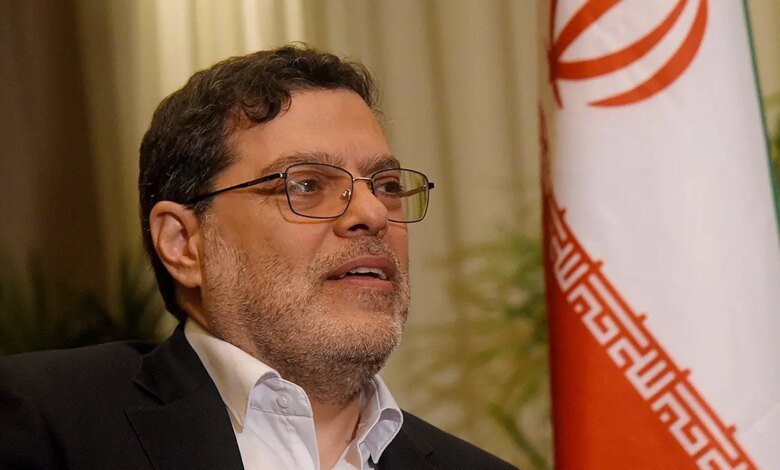
A senior Iranian official has claimed that Tehran is actively preparing for a potential U.S. ground invasion, asserting that the Islamic Republic has spent decades hardening its infrastructure to turn such a conflict into a strategic advantage. The statement comes as a series of fresh explosions rocked western Iran, marking a significant escalation in the ongoing exchange of fire between Washington and Tehran.
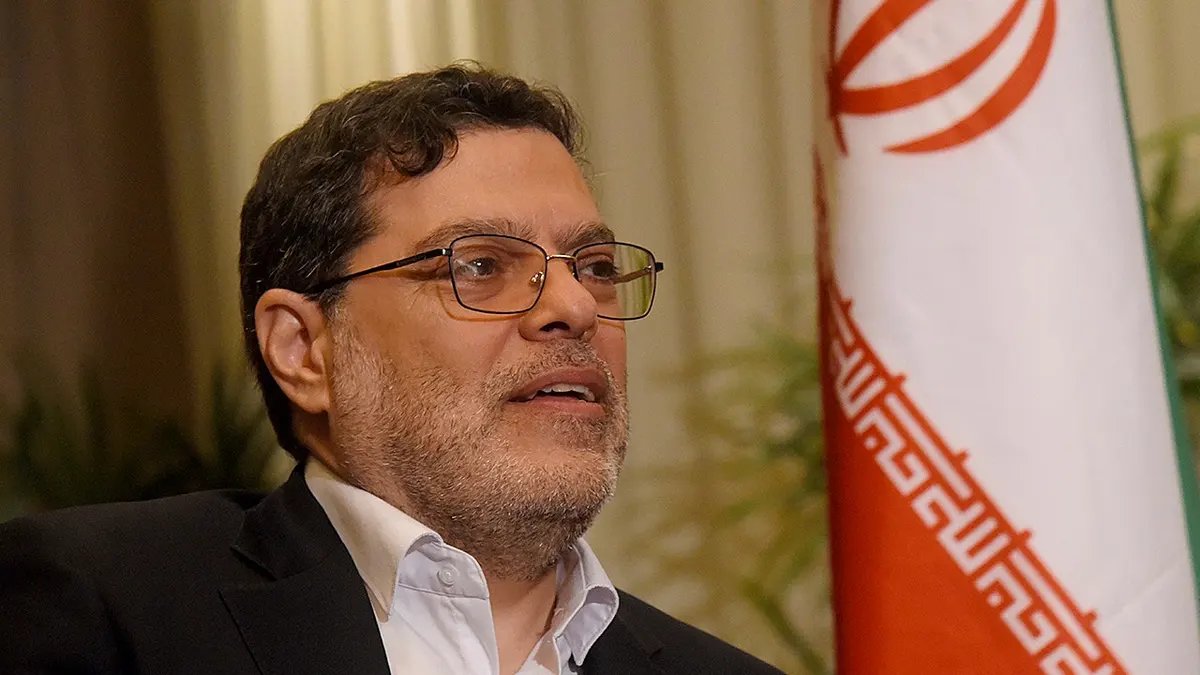
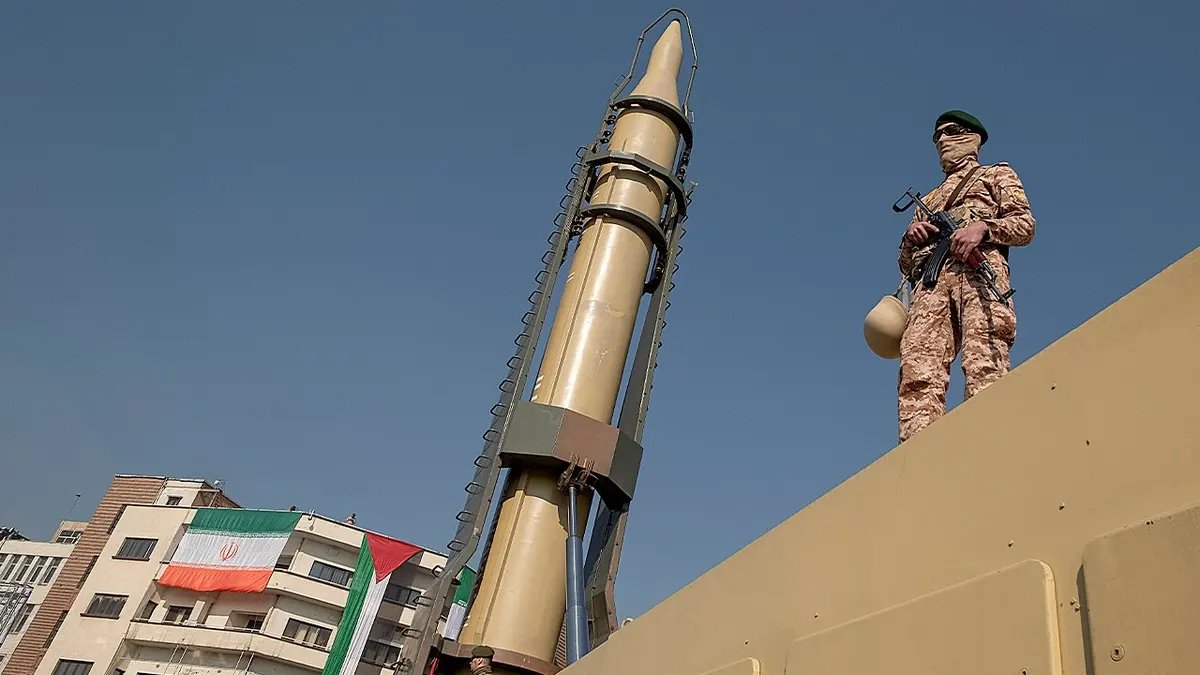
Seyed Mohammad Marandi, a prominent academic and former advisor to Iran’s nuclear negotiation team, suggested that the Iranian military leadership views a land campaign as a decisive path to ending the hostilities. Marandi, often regarded as a frequent voice for the regime’s strategic thinking, also claimed that the Islamic Revolutionary Guard Corps recently introduced a new missile into the theater of operations.
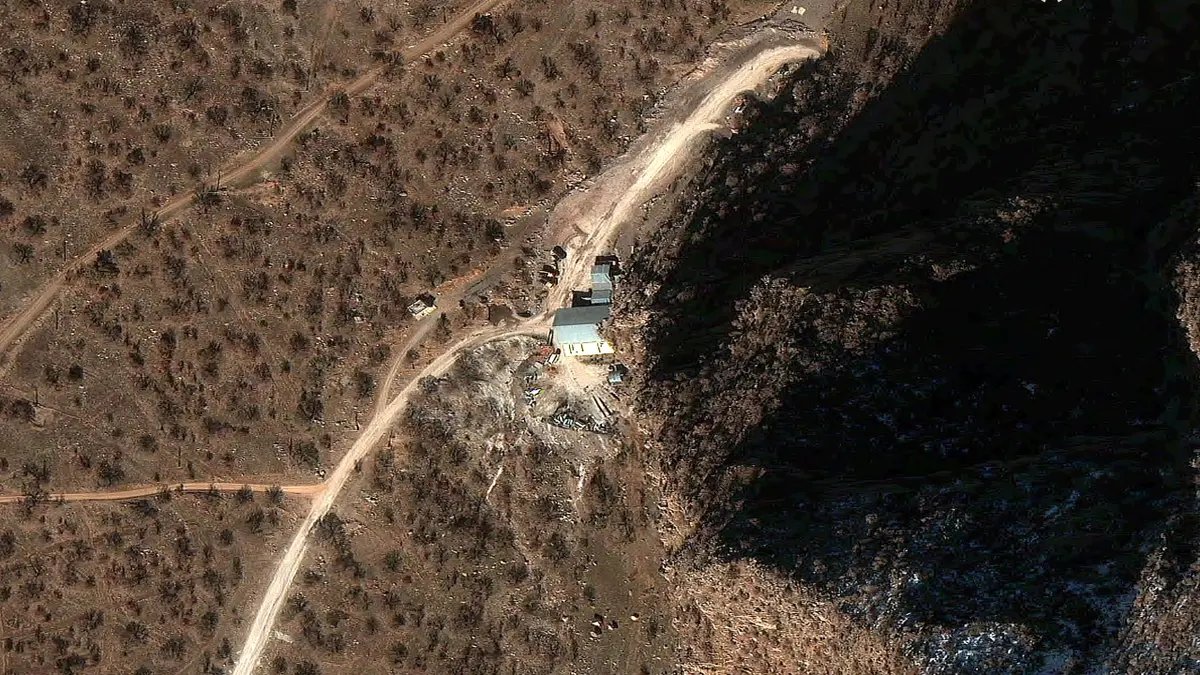
The latest wave of violence centered on the city of Khorramabad in Iran’s Lorestan province. Local reports and state media attributed the blasts to U.S. missiles launched from regional bases. The area is home to the Imam Ali Missile Base, a critical underground facility designed to house and launch Shahab-3 medium-range ballistic missiles. According to data from the Nuclear Threat Initiative, this complex is one of Tehran’s primary silo sites, engineered to withstand heavy aerial bombardment through a network of reinforced tunnels.
The strikes follow a pattern of increasing military pressure after the collapse of a 60-day memorandum of understanding intended to facilitate nuclear de-escalation. President Donald Trump, who ordered the renewed air campaign, recently suggested that a ground operation remains a possibility. In response, Iranian officials have highlighted their “passive defense” strategy, which involves decentralizing military assets and burying them deep underground.
Marandi detailed a strategy where mobile units deploy, fire, and quickly retreat into subterranean bunkers to avoid detection and destruction. This doctrine of asymmetric warfare is designed to negate the U.S. advantage in air superiority. The Iranian official noted that military assets have been spread across the country to prevent the U.S. from neutralizing large portions of the arsenal in single strikes.
The regional fallout of the conflict has expanded beyond Iran’s borders. Iranian forces recently launched drone and missile salvos targeting U.S.-linked infrastructure in Jordan, Kuwait, and Bahrain. While Jordanian forces reportedly intercepted 10 missiles, Kuwaiti authorities confirmed casualties and significant damage to a domestic desalination and power plant. These locations are strategically vital as they host American assets that Tehran believes would be central to any ground-based incursion.
At the heart of the geopolitical friction is the Strait of Hormuz, the world’s most important oil transit chokepoint. Control over this waterway has historically been a flashpoint for international conflict, as roughly one-fifth of the world’s total oil consumption passes through the narrow passage daily. The current escalation mirrors previous “tanker wars” but with the added complexity of advanced drone technology and long-range precision missiles.
The Imam Ali Missile Base in Khorramabad had previously sustained damage during Israeli operations in 2025, which targeted Iran’s nuclear and military supply chains. The continued focus on this site underscores its importance in Iran’s retaliatory capabilities. As the U.S. continues to strike bridges, road tunnels, and surveillance outposts, the Iranian leadership maintains that its decades of preparation for a conventional war will allow it to withstand a sustained American campaign in Lorestan province and beyond.