Washington Weighs Military Intervention in Mali as Al-Qaeda Affiliate Threatens Sahel Stability
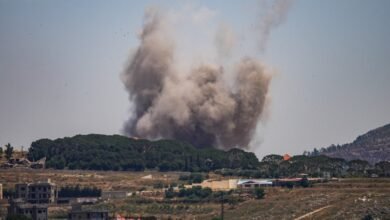
The United States is actively evaluating potential airstrikes against al-Qaeda-linked militants in Mali, driven by mounting concern in Washington over expanding jihadist control across West Africa following major security setbacks suffered by Russian paramilitary forces.
The potential shift in U.S. strategy comes as Jama’at Nusrat al-Islam wal-Muslimin (JNIM), an al-Qaeda affiliate designated as a Foreign Terrorist Organization in 2018, escalates its effort to dismantle the state and establish an Islamist governance structure. The group has tightened its pressure around the capital city of Bamako and recently launched coordinated assaults that killed 50 Malian soldiers and led to the death of the nation’s defense minister earlier this year.
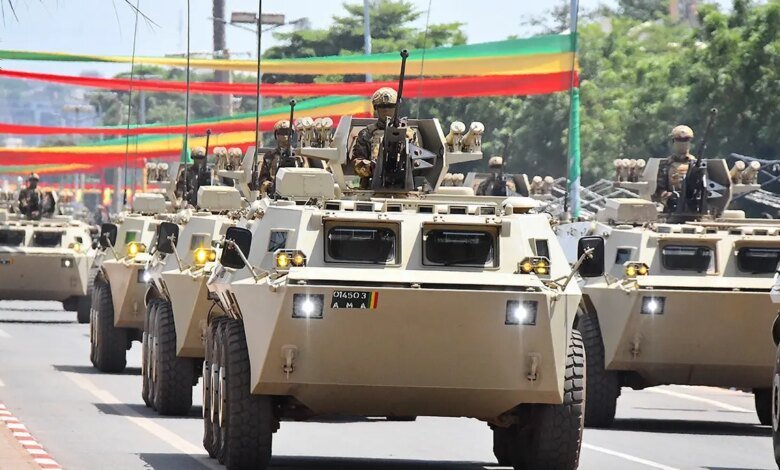
Following successive military coups in 2020 and 2021, Mali’s ruling junta expelled Western military forces, including troops from France and the U.S., choosing instead to partner with Moscow. However, Russian fighters operating under the Africa Corps—formerly known as the Wagner Group—have failed to stabilize the region, suffering severe tactical losses and forced retreats across northern and central territory.
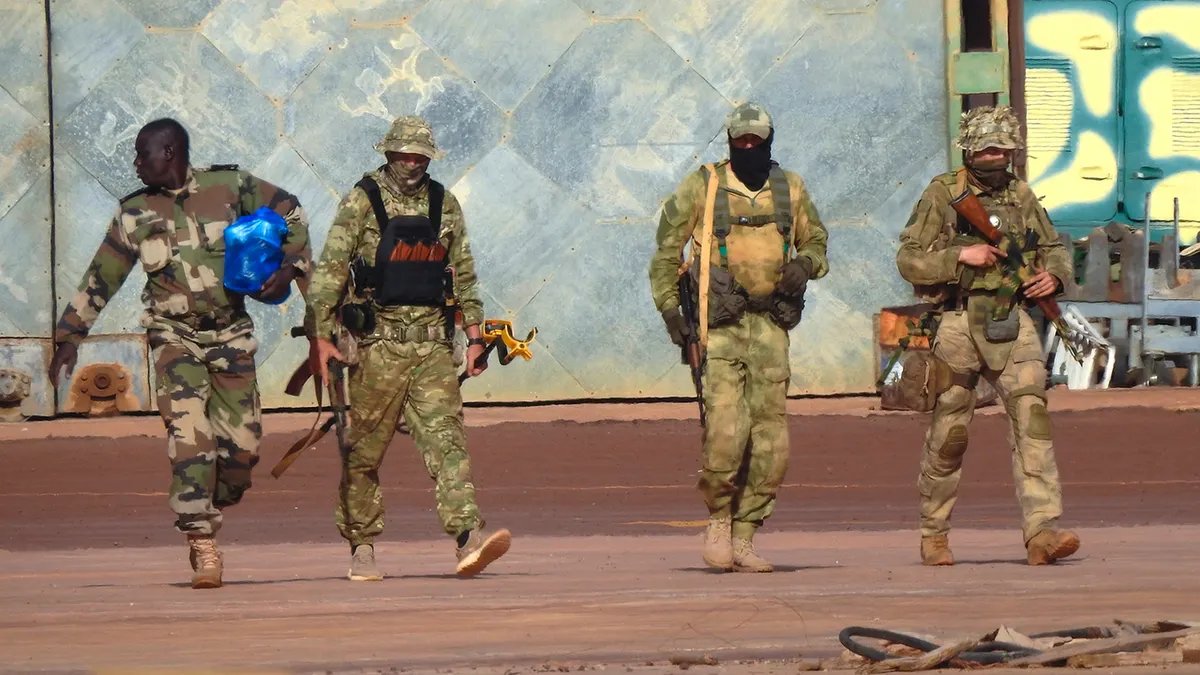
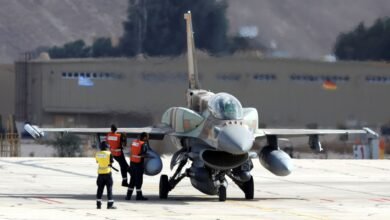
Any potential military action by Washington would mark a significant shift after U.S. military support for partner-led operations in the region was curtailed in 2022. Tactical analysts indicate that direct U.S. strikes would likely rely on standoff cruise missiles or long-range strategic bombers, as naval tracking data shows no American aircraft carrier strike groups currently positioned near African coastal waters.
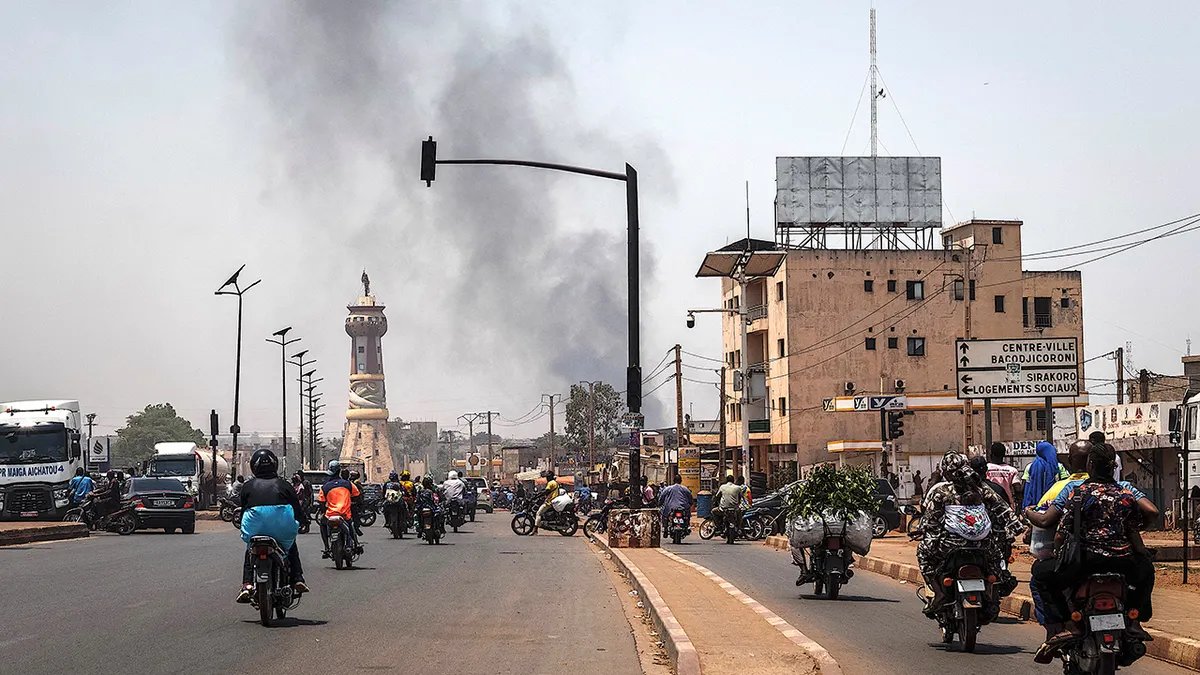
Beyond security implications, the ongoing conflict threatens major global economic interests in the Sahel. Mali remains one of the continent’s top gold producers and holds vast untapped reserves of lithium, a vital material for global clean energy technology. Foreign policy experts warn that if Mali collapses completely into insurgent control, neighboring junta-led nations such as Niger and Burkina Faso could rapidly follow.

In a statement addressing the security crisis, a representative from the U.S. Department of State strongly condemned ongoing terrorist activities in Mali, affirming that Washington remains focused on supporting regional anti-terror cooperation and monitoring potential threats to the U.S. homeland. However, defense analysts caution that targeting insurgent leadership alone will not solve the underlying political crisis without long-term governance solutions.