EPA Waives Acid Rain Rules for Data Center Power Plants to Fast-Track AI Infrastructure
Off-grid power generation serving AI hubs will no longer face federal Clean Air Act limits on sulfur and nitrogen emissions.
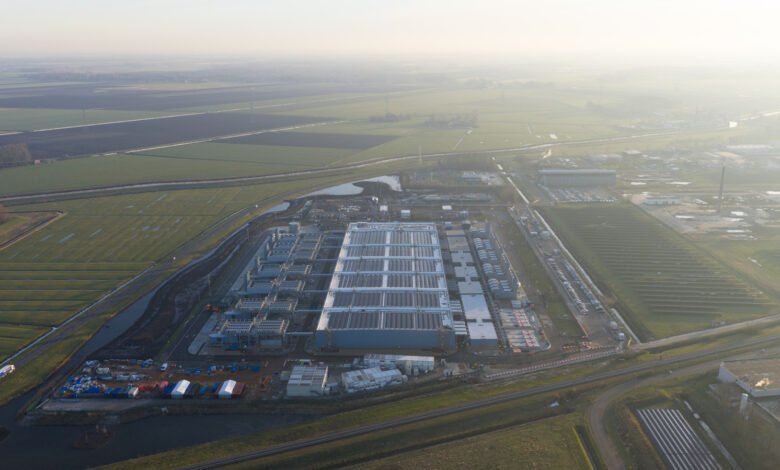
The U.S. Environmental Protection Agency has exempted power plants supplying Artificial Intelligence data centers from federal regulations designed to prevent acid rain, opening a regulatory bypass for energy-intensive tech infrastructure.
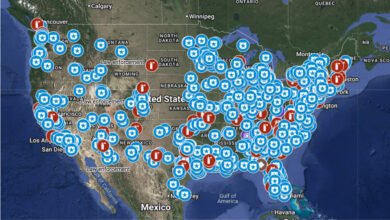
Under the new federal policy, off-grid or “islanded” generating stations that produce electricity exclusively for data centers will no longer be bound by the Acid Rain Program established under the Clean Air Act. The exemption directly impacts nearly 60 facilities currently operating or under construction across the United States.
The regulatory shift hinges on a legal reclassification. Because these dedicated facilities supply electricity directly to corporate campuses rather than distributing power to residential or commercial ratepayers, federal regulators determined they do not meet the definition of public electric utilities governed by the Acid Rain Program.
According to the Environmental Protection Agency, prioritizing infrastructure development is central to maintaining technological leadership. Aaron Szabo, EPA Assistant Administrator for Air and Radiation, stated that safeguarding national dominance in artificial intelligence represents a core economic and national security objective, framing the waiver as a commonsense administrative adjustment.
The policy change comes as technology companies race to secure massive amounts of power for large language models and high-performance computing. Industry projections from Bloomberg estimate that data centers could consume up to 20 percent of total U.S. electricity within the next decade. Faced with multi-year delays for public grid interconnections, developers have increasingly turned to self-contained power generation, often relying on fossil fuels like natural gas.
By removing these off-grid plants from the Acid Rain Program, operators are no longer required to cap or purchase emissions allowances for sulfur dioxide and nitrogen oxide emissions. Sulfur dioxide and nitrogen oxides are primary industrial precursors that react with water and oxygen in the atmosphere to form sulfuric and nitric acids.
Congress created the Acid Rain Program under Title IV of the 1990 Clean Air Act Amendments to combat widespread ecological degradation across North America. The program established a market-based cap-and-trade system that successfully drove sharp reductions in power plant emissions, aiding the recovery of damaged forests, lakes, and soil systems over subsequent decades.
Beyond environmental degradation, sulfur dioxide and nitrogen oxides contribute to fine particulate pollution, which public health agency data links to aggravated asthma, diminished lung capacity, and elevated cardiovascular risks.
Administration officials argue that isolating data center energy supplies onto dedicated, self-generated grids prevents corporate power surges from straining the public grid or driving up utility bills for everyday consumers. However, energy analysts and independent researchers remain divided on whether behind-the-meter generation effectively protects ratepayers or ultimately shifts broader infrastructure costs.
The exemption aligns with a broader administration push to clear regulatory hurdles for technology infrastructure. Federal officials previously offered legal backing to high-profile AI developments facing local environmental challenges, including xAI facilities in Tennessee, while advising local communities that resistance to regional data center expansion is impractical.