Early Hands-On with Surface Laptop Ultra Reveals Nvidia RTX Spark Benchmarks and Power Efficiency
Unreleased prototype reveals details on Nvidia's RTX Spark chip, battery performance, and software translation.

Comprehensive benchmark results and hands-on impressions of Microsoft‘s unreleased Surface Laptop Ultra have surfaced online after a pre-production prototype was recovered near the tech giant’s headquarters in Redmond, Washington. The device, evaluated over several weeks by TechPowerUp forum contributor “Fouquin,” provides an early look at Nvidia‘s upcoming RTX Spark silicon operating inside Microsoft’s high-end mobile chassis.
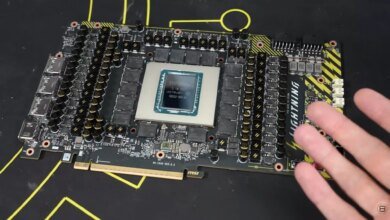
The test system is powered by Nvidia’s full-tier RTX Spark N1X accelerated processing unit (APU), combining a 20-core Arm CPU alongside a GPU built with 6,144 CUDA cores. Configured with an entry-level memory tier of 24GB unified RAM and a 512GB solid-state drive, the prototype demonstrates Microsoft’s effort to rival high-end workstations. Final retail models are expected to support configurations up to 128GB of unified memory, with graphical performance target benchmarks matching Nvidia’s dedicated RTX 5070 mobile graphics processor.
System benchmarks performed across Blender, Cinebench, and the Phoronix Test Suite indicate that while the RTX Spark APU yields heavy graphical throughput, its multi-core CPU compute scores lag behind rival silicon like Apple’s M5 Pro. Despite the performance gap in raw CPU tests, Nvidia achieved parity across power states, delivering identical computing performance whether operating on internal battery or connected to wall power.
Software stability and power consumption remain key areas of active development. Initial tests run on early system drivers dated November 2025 showed low idle power consumption between 7 and 8 watts. However, updating to Nvidia’s recent RTX Spark developer preview drivers caused idle power draw to increase significantly, ranging between 12 and 23 watts depending on active energy settings.
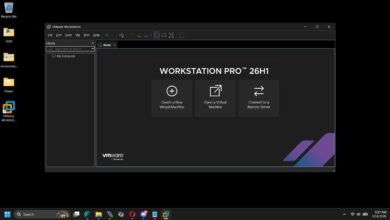
Application compatibility on the platform relies heavily on software emulation. Most legacy x86 software and games run via Microsoft’s Prism translation layer, though native titles are slowly emerging. Developers building for the platform can review guidelines in the official Windows on Arm developer documentation to optimize x64 code bases. Games such as Kingdom Come: Deliverance II feature native support, and publisher Sega has confirmed native Arm releases for upcoming titles including Virtua Fighter Crossroads in 2027, Alien: Isolation 2, and Total War: Warhammer 40,000.
Hardware testing of the 15-inch milled aluminum frame noted solid structural quality, featuring key mechanisms comparable to Apple’s MacBook Pro design language. The prototype includes a high-grade mechanical keyboard feel, a large glass touchpad, a responsive display hinge, and a camera sensor system that automatically turns on keyboard backlighting when a user is detected.
Multiple prototype deficiencies were documented during testing, including local dimming irregularities, absent Nvidia G-Sync functionality, touch layer signal noise, and incomplete High Dynamic Range calibration. Market estimates suggest retail pricing for the Surface Laptop Ultra will start at approximately $2,800 for base configurations, with fully upgraded hardware variants reaching up to $4,500.