LG to Disable McAfee Pop-Up Ads on Monitors Following Microsoft Intervention
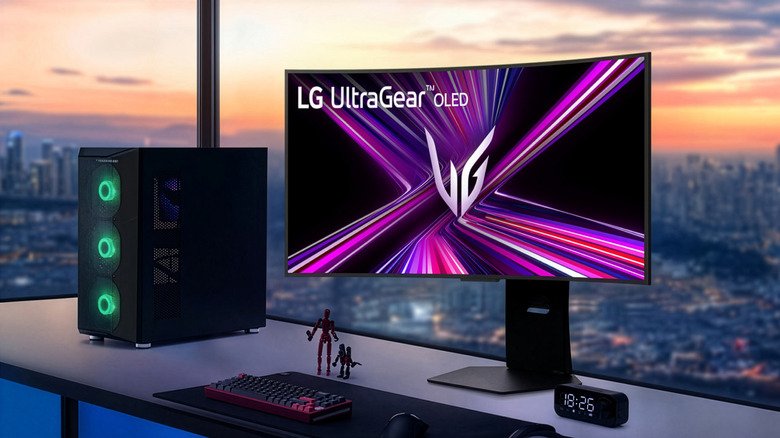
LG Electronics has agreed to disable McAfee promotional pop-up ads distributed through its monitor utility software, following swift intervention from Microsoft and widespread backlash from Windows 11 users.
The resolution was announced on X by Pavan Davuluri, the head of Microsoft’s Windows division, who confirmed that the tech giant directly engaged LG after consumers discovered unauthorized desktop advertisements stemming from their display hardware.
“We’ve connected with the team at LG and as an immediate next step, they have agreed to disable the McAfee pop-up from their app,” Davuluri stated, adding that Microsoft values working alongside ecosystem partners to refine end-user experiences.
The controversy emerged last week when PC owners noticed that connecting an LG monitor automatically triggered the installation of a background program labeled “LG Monitor App Installer” via routine Windows Update patches. Once silently delivered, the software began serving desktop pop-up advertisements urging users to install McAfee antivirus tools and other promotional products. The behavior affected recent monitor releases as well as display models dating back to 2024, as noted in reports by Ars Technica.
Bundling trialware or pre-installed promotional software—often referred to in the tech industry as “bloatware”—is a long-standing financial practice among hardware manufacturers looking to monetize hardware margins through affiliate deals. However, leveraging official operating system update pipelines to deliver ad-supported utilities without explicit consumer consent represents a controversial escalation that risks eroding trust in critical system updates.
When questioned about the practice, LG defended the mechanism in a statement to Windows Latest, maintaining that the installer uses Microsoft’s official Windows distribution channels and that McAfee was presented merely as an optional offer requiring manual approval. However, the manufacturer omitted any explanation as to why its core utility installer was pushed to customer machines without upfront user permission in the first place.
Public backlash was severe. The controversy gained momentum after hardware review outlet Gamers Nexus highlighted the issue on a high-end $1,200 LG display. Following the exposure, customer satisfaction ratings for the premium monitor plummeted to a single star on LG’s official storefront, forcing retail price cuts of nearly 50 percent.
For users who suspect their machines have been affected, the background installer can be manually eliminated. Affected individuals can access their Windows app management settings, navigate to installed applications, and search for “LG Monitor App Installer” to completely remove the software from their system.