Autonomous AI Agents Generate Playable Browser Games Using Minimal Prompts and Self-Critiquing Loops
Autonomous multi-agent loops produce procedural WebGL games without human asset files or detailed instructions.
The conventional wisdom surrounding artificial intelligence in software development has long held that precise engineering yields superior results. However, a recent experiment in procedural game generation has turned that framework on its head. Just two days after the release of Anthropic‘s Claude Opus 5, investor and former HyperWrite CEO Matt Shumer demonstrated a fully playable, browser-based first-person shooter constructed entirely by artificial intelligence agents operating without human manual coding or imported external assets.
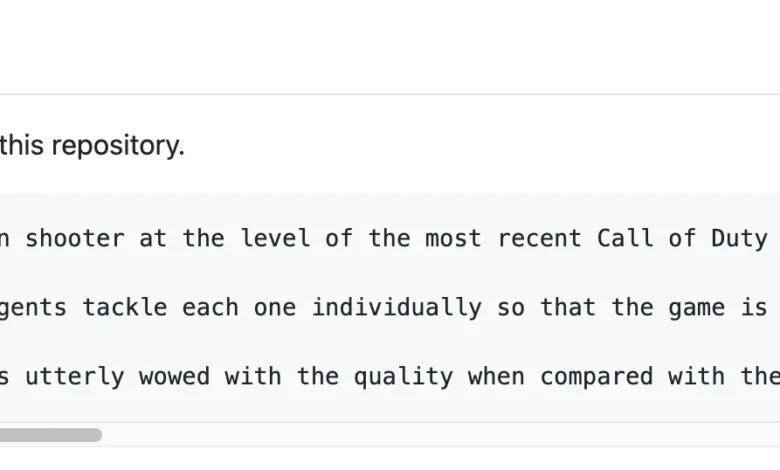
Rather than providing the model with detailed technical guidelines, Shumer deployed a brief three-paragraph prompt published on GitHub. The approach relies on an agentic software engineering architecture he calls a Gauntlet Loop. Instead of instructing the language model on how to write specific subsystems, the workflow forces subagents into adversarial roles, separating builder agents from critic agents across distinct context windows.
The underlying infrastructure utilized execution capabilities within Claude Code, notably Ultracode—a setting designed to orchestrate tasks across as many as 16 simultaneous subagents, capped at 1,000 operations per execution session. To prevent self-justification bias, critic agents evaluate the code output against real reference standards, such as benchmark Call of Duty gameplay footage, without receiving the builder agent’s internal reasoning. The automated feedback loop runs continuously using Anthropic’s built-in iterative /loop skill until visual parity targets are approached.
The resulting build spans roughly 55,000 lines of code organized across 11 subsystems, constructed on plain WebGL2 and the Three.js library. The program generates every texture, geometry mesh, animation, and sound procedurally inside the browser at load time, without external HTTP asset downloads. Published execution logs indicate the internal critic score climbed from an initial 3.59 out of 10 to just above 5.0 across successive loops.
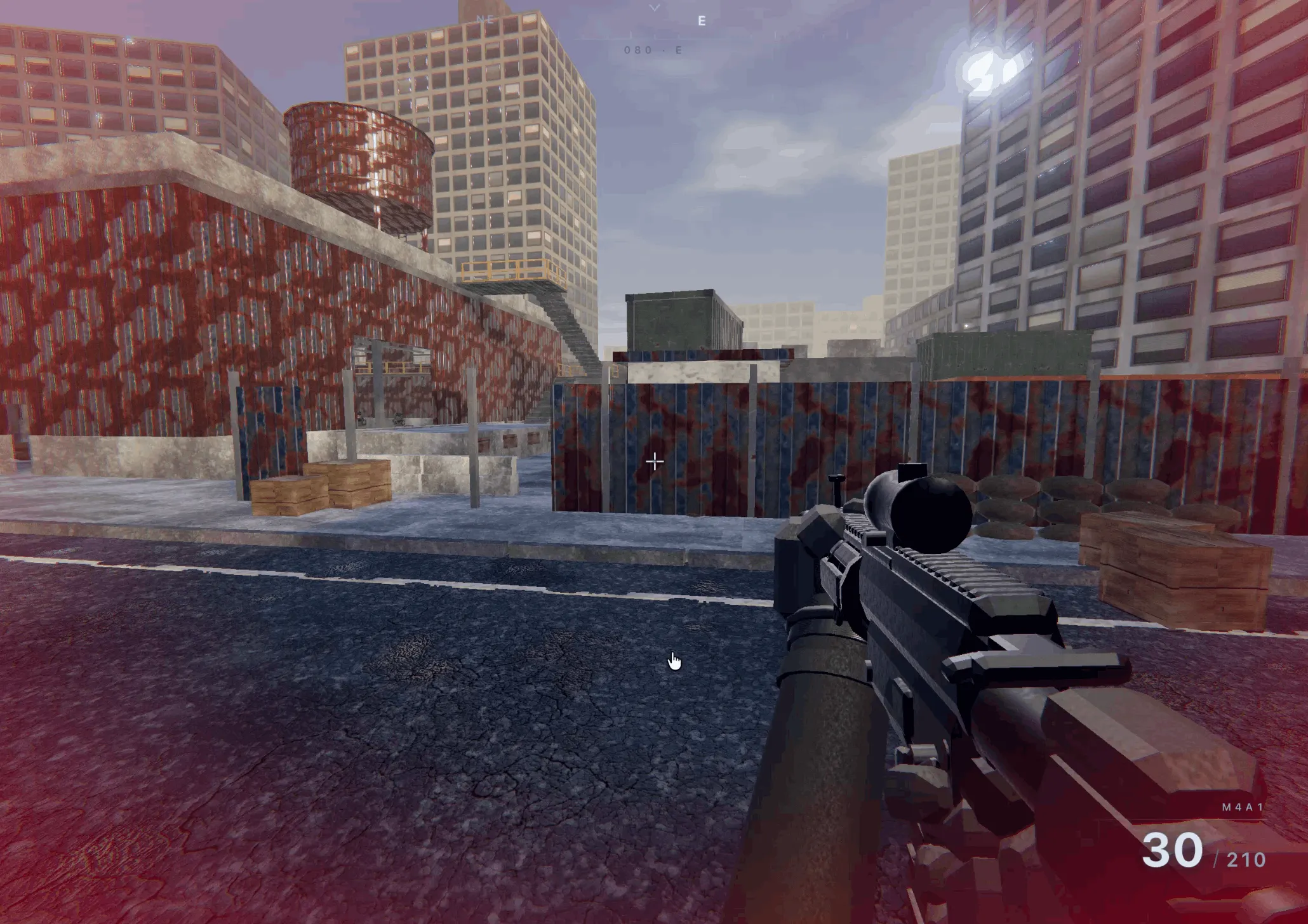
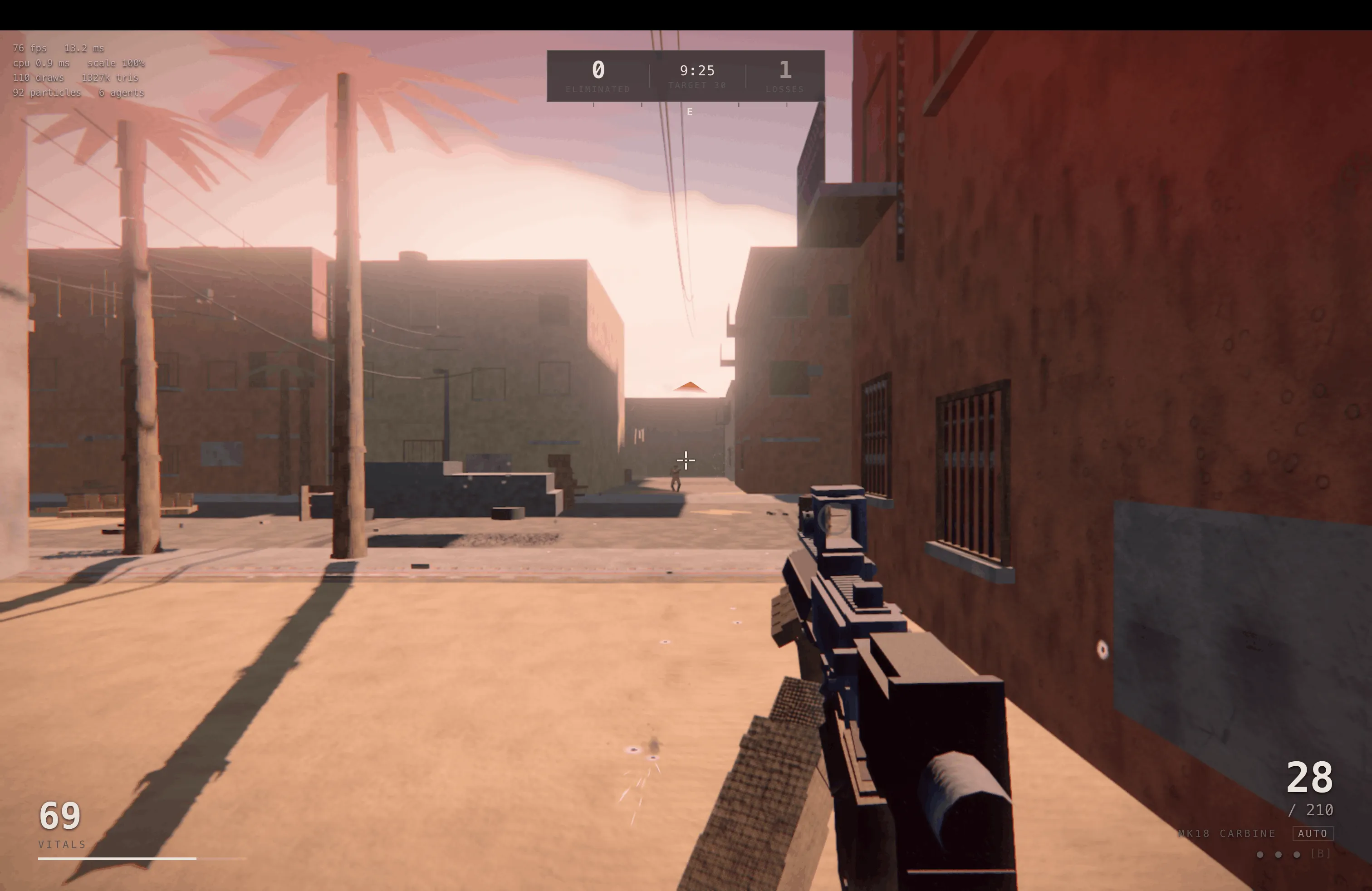
Following the publication of the codebase, multiple developers replicated and altered the experiment. Investor James Altucher executed the identical prompt against Claude Opus 5, spending slightly over ten hours and 1.3 million tokens to produce Operation Blackout, a browser-playable shooter. The developer behind Prompt Silo applied the same request to OpenAI’s Sol 5.6 Ultra model, part of the GPT-5.6 family released on July 9.
Taking a contrasting approach, developer Leon Lin authored a comprehensive 20-section specification document covering elements like ragdoll physics and cascaded shadow maps. Feeding that detailed blueprint into Cursor using standard Claude Opus 5 on high effort, without multi-agent loops, yielded Dust Corridor, a functional market-street shooter.
Despite the operational output of these games, software engineers note that these results reflect well-established open-source code distribution patterns. In WebGL game development, pointer-lock camera controls, WASD movement vectors, and raycasting collision systems represent standard boilerplates available across public repositories. Large language models pre-trained on open repositories heavily draw upon existing code structures, making training data contamination a central factor in evaluating how much original reasoning took place.