Balancing Cost and Capability: How Apple Engineered the Watch SE 3’s $150 Price Gap
A breakdown of the hardware differences, health sensor omissions, and battery trade-offs in Apple's entry-level smartwatch.
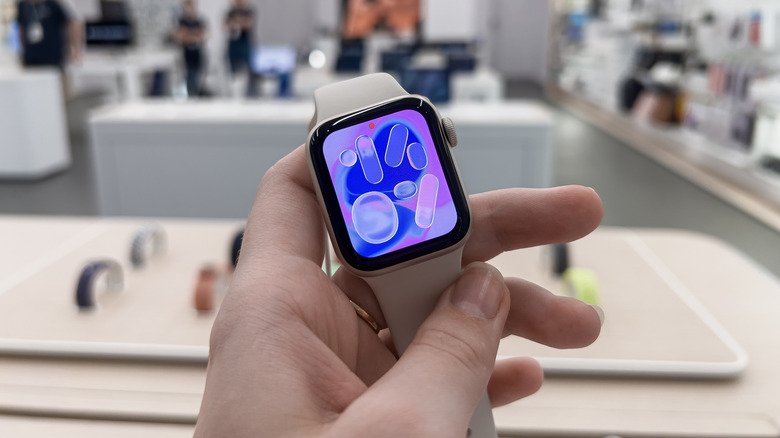
When Apple refreshed its wearable ecosystem in September 2025, introducing the flagship Series 11 alongside the rugged Ultra 3, it also updated its entry-level tier with the Apple Watch SE 3. Positioned $150 below the standard flagship model, the third-generation SE represents the first overhaul of Apple’s budget wearable line in three years, targeting entry-level users, students, and seniors who want deep integration with the iOS ecosystem without paying premium flagship prices.
To achieve its lower price tag while retaining core performance, Apple introduced distinct hardware and design choices compared to the higher-tier Series 11.
In terms of physical casing, the Apple Watch SE 3 is manufactured exclusively in 40mm and 44mm sizes with a recycled aluminum chassis. In contrast, the Series 11 offers larger 42mm and 46mm configurations and adds a titanium finish option alongside aluminum. The screen on the Series 11 is noticeably brighter under direct sunlight and utilizes more impact-resistant display material, though the SE 3 upgrades its own screen durability over previous SE models and introduces an always-on display alongside a more powerful chip and 5G capability.
The cost savings are further reflected in sensor selection and health tracking features. The Apple Watch SE 3 excludes both the ECG app and blood oxygen measurements, omitting metrics related to respiration rate tracking. Aquatic and spatial hardware were also trimmed: the SE 3 lacks a built-in depth gauge, a water temperature sensor, and Precision Finding for misplaced iPhones—though users can still ping their phone to trigger an audio alert.
Despite these missing sensors, the budget model retains baseline health telemetry, continuously monitoring heart rate zones, resting heart rate, and live pulse during workouts. It runs on watchOS 27 and features wrist temperature sensing, advanced sleep tracking with sleep apnea notifications, on-device Siri processing, one-handed gestures, and the Workout Buddy feature powered by Apple Intelligence.
Power management marks another operational split between the two tiers. The SE 3 maintains an 18-hour battery rating, extending up to 32 hours in low power mode with standard charging speeds. The Series 11 delivers up to 24 hours of standard daily battery life, stretching to 38 hours in low power mode, backed by faster charging capability.
The $150 savings makes the SE 3 an entry option for first-time users, teens, or seniors testing smartwatch functionality. Conversely, regular wearable users seeking complete health metrics, aquatic tools, or faster charging often look to discounted previous-generation devices like the Series 9 or Series 10, or upgrade directly to the Series 11.