Samsung Electronics to Integrate Stablecoin Support Into Samsung Wallet Platform
Samsung Electronics is moving to bring stablecoins into its flagship mobile payment application, expanding Samsung Wallet to support pegged digital assets alongside traditional debit cards, credit cards, and digital identifiers.
The decision highlights a growing intersection between mainstream consumer hardware and digital asset infrastructure. By embedding stablecoin capabilities directly into its native software, the South Korean technology firm aims to broaden how users transact, earn rewards, and handle value transfer across millions of Galaxy smartphone devices globally.
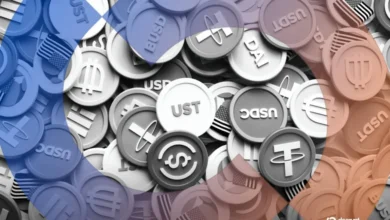
Unlike volatile cryptocurrencies such as Bitcoin or Ether, stablecoins are cryptographic tokens tied to the value of fiat currencies—most commonly the U.S. dollar. This price parity makes them uniquely suited for daily commerce, offering digital transaction speeds and lower cross-border settlement fees without exposing consumers or merchants to severe exchange rate fluctuations.
Samsung’s entry into asset-backed tokens builds on years of gradual mobile security and Web3 development. The company introduced its Samsung Blockchain Keystore alongside the Galaxy S10 line in 2019, utilizing its proprietary Knox security platform to manage private cryptographic keys at the hardware level. In 2022, the tech giant consolidated Samsung Pay and Samsung Pass into Samsung Wallet, creating a unified hub for payments, boarding passes, digital keys, and loyalty programs.
The move positions Samsung alongside other financial and technology institutions exploring digital dollar alternatives. Financial service providers have increasingly turned to tokenized cash to streamline payment clearing, with companies like PayPal launching dedicated dollar-pegged tokens and payment processors integrating blockchain settlement capabilities to reduce merchant transaction overhead.
For consumer device manufacturers, integrating stablecoin rails directly into mobile wallets could significantly alter digital commerce. Beyond standard retail payments, blockchain-based tokens allow for automated loyalty rewards, peer-to-peer transfers with near-instant clearing, and direct access to decentralized financial products without requiring third-party crypto wallet applications.