AI Abundance Triggers Real-World Scarcity as Infrastructure and Human Judgment Command Premium Value

The rapid proliferation of generative artificial intelligence is destabilizing traditional business models, driving the cost of digital output toward zero while transferring enterprise value into physical infrastructure and irreplaceable human oversight. As automated text, code, and routine content saturate markets, critical bottlenecks have shifted to electricity grids, water reservoirs, supply chain hardware, and personal customer attention.
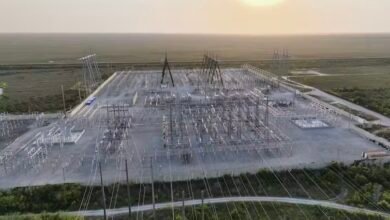
Physical resource constraints are emerging as the principal limit on technology growth. According to projections, direct water consumption by data centers across the United States is set to double or more by 2028. In drought-stressed regions like Texas, annual data center water usage for cooling high-density server clusters is forecasted to surge from 49 billion gallons in 2025 to 399 billion gallons by 2030—a volume equivalent to lowering Lake Mead by more than 16 feet within a twelve-month period.
Energy systems are facing parallel strains. Data center electricity consumption expanded by 17% in 2025 and is projected to rise from approximately 485 terawatt-hours to nearly 950 terawatt-hours by 2030, propelled by a threefold increase in dedicated AI workloads. Forecasts from the International Energy Agency indicate that by the decade’s end, American data centers will consume more electricity than the domestic production of steel, aluminum, cement, and basic chemicals combined.
Capital expenditure among the five largest technology conglomerates exceeded $400 billion in 2025, with infrastructure spending expected to jump an additional 75% this year. However, execution faces severe physical barriers, including grid connection backlogs, limited supplies of gas turbines and transformers, and concentrated supply chains for raw materials such as gallium, of which China refines roughly 99%. These structural constraints are already placing upper limits on aggressive expansion projections.
The labor sector provided the earliest indication of how automated abundance alters price mechanics. An analysis tracking over three million job postings on a major global freelance marketplace revealed that following the release of advanced AI tools, demand for easily automated tasks plummeted. Requests for translation into Western European languages fell by roughly 30%, while routine corporate writing, such as standard descriptive pages, declined by 50%. Notably, high rates of displacement affected experienced, higher-priced freelancers at rates comparable to junior workers, demonstrating that traditional skill tiers offer limited protection against commodification.
Conversely, market value is reorganizing around human accountability and specialized capabilities. Freelancers who adapted by incorporating AI-complementary skills earned roughly 40% more than non-adapting peers, accompanied by a rise in high-value contracts. This reflects a broader economic shift where routine output loses monetary value while judgment, verification, and regulatory compliance command higher premiums.
The contrast between digital abundance and physical scarcity extends to consumer behavior. While digital media can be instantly duplicated, live, unrepeatable human experiences have seen record demand. Live Nation posted over $25 billion in revenue in 2025 across 159 million attendees, marking the first time international event-goers outnumbered domestic U.S. audiences. This aligns with classic economic theory introduced by social scientist Herbert Simon in 1971, which established that a wealth of information inherently creates a scarcity of human attention.
Enterprise strategy is shifting to monetize these emerging bottlenecks. Cloud computing vendors are restructuring pricing models to sell guaranteed priority access during demand spikes rather than raw computation time. In financial services and construction software—where firms like Graitec emphasize fully auditable engineering workflows—companies are charging premiums for source traceability, regulatory safety, and legal accountability rather than automated content generation. Similarly, wealth managers increasingly treat portfolio construction as a commodified service while pricing human emotional coaching and risk management during market turmoil.