Strategic Alliances vs. Public Backlash: The Dual Reality of Israel’s Global Standing
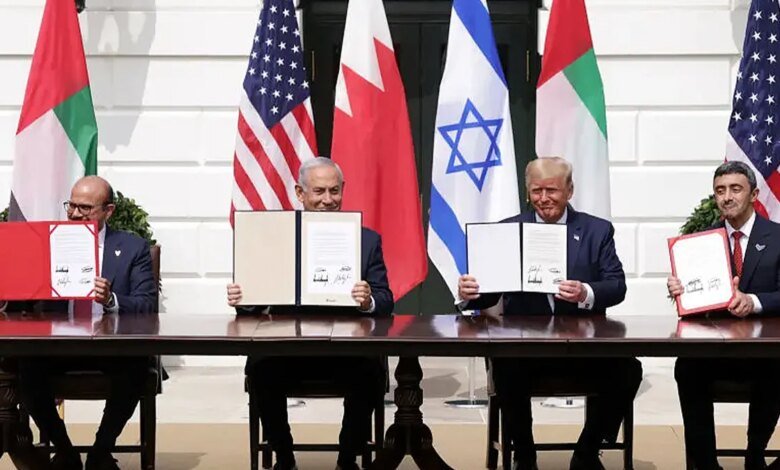
President Donald Trump’s recent predictions that more Arab nations will join the Abraham Accords have thrown a spotlight on the complex, dual nature of Israel’s international standing. While public approval for Israel has declined significantly in Western democracies and across the globe since the outbreak of the war in Gaza, the country’s state-to-state strategic, military, and energy partnerships remain highly resilient, and in some regions, are actively expanding.
During a recent Oval Office meeting with Lebanese President Joseph Aoun, Trump expressed strong optimism about the future of the normalization agreements, which were originally brokered by his administration in 2020 to establish formal ties between Israel and the United Arab Emirates, Bahrain, Morocco, and Sudan. Trump also revealed a key diplomatic lever, stating that a prospective U.S. civilian nuclear agreement with Saudi Arabia would be contingent on Riyadh formally joining the accords.
This diplomatic push comes at a time of severe polarization. Critics point to Israel’s deepening unpopularity at the grassroots level and its isolation in multilateral forums like the United Nations. However, Israeli officials and conservative foreign policy analysts argue that government-to-government cooperation is not only holding steady but growing, particularly in defense, intelligence, and energy.
Danny Danon, Israel’s Ambassador to the United Nations, strongly rejected the narrative of isolation. Danon noted that while the military campaign to dismantle Hamas has generated widespread international criticism, Israel’s bilateral relationships have evolved rather than weakened. He emphasized that quiet, pragmatic discussions with various global leaders—including representatives from Arab nations—continue behind the scenes at the UN to advance mutual strategic interests.
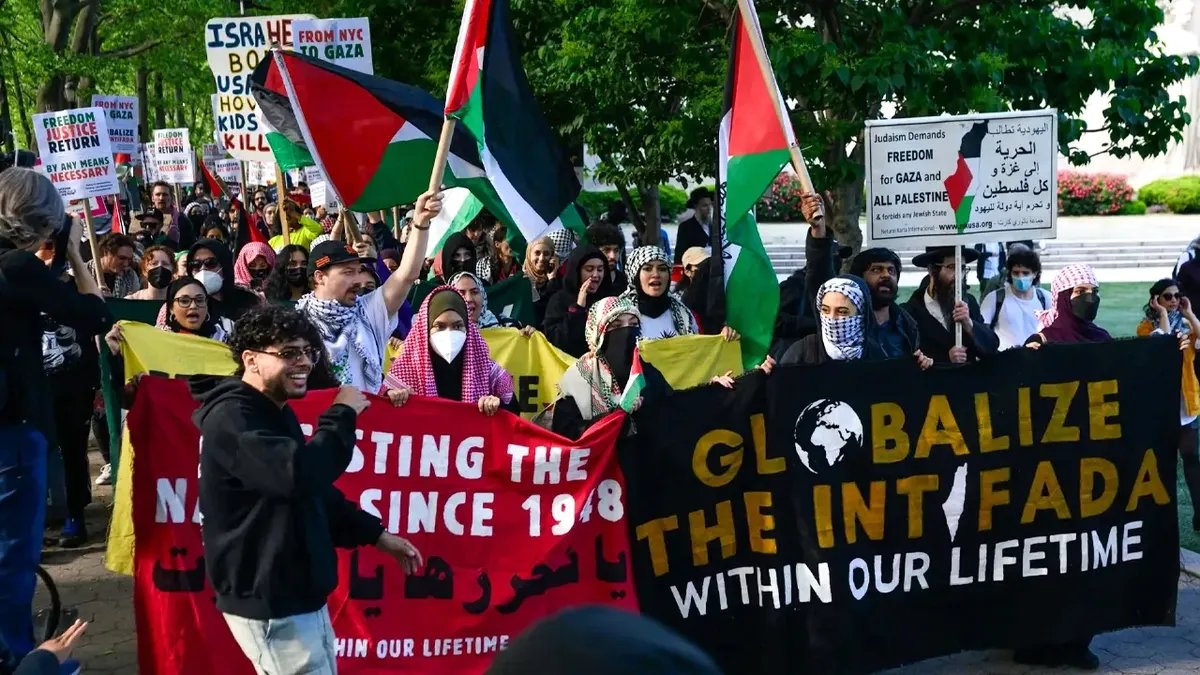
This division between public opinion and state-level cooperation is backed by stark data. A global survey published by the Pew Research Center showed a median of 67% of adults across 36 countries holding an unfavorable view of Israel. In the United States, unfavorable sentiment rose to 60%, up from 53% in 2025 and 42% in 2022. Furthermore, a Gallup poll indicated that American sympathy is now nearly evenly split, with 41% favoring Palestinians and 36% favoring Israelis—a significant shift from 2023, when Israel held a 54% to 31% advantage.
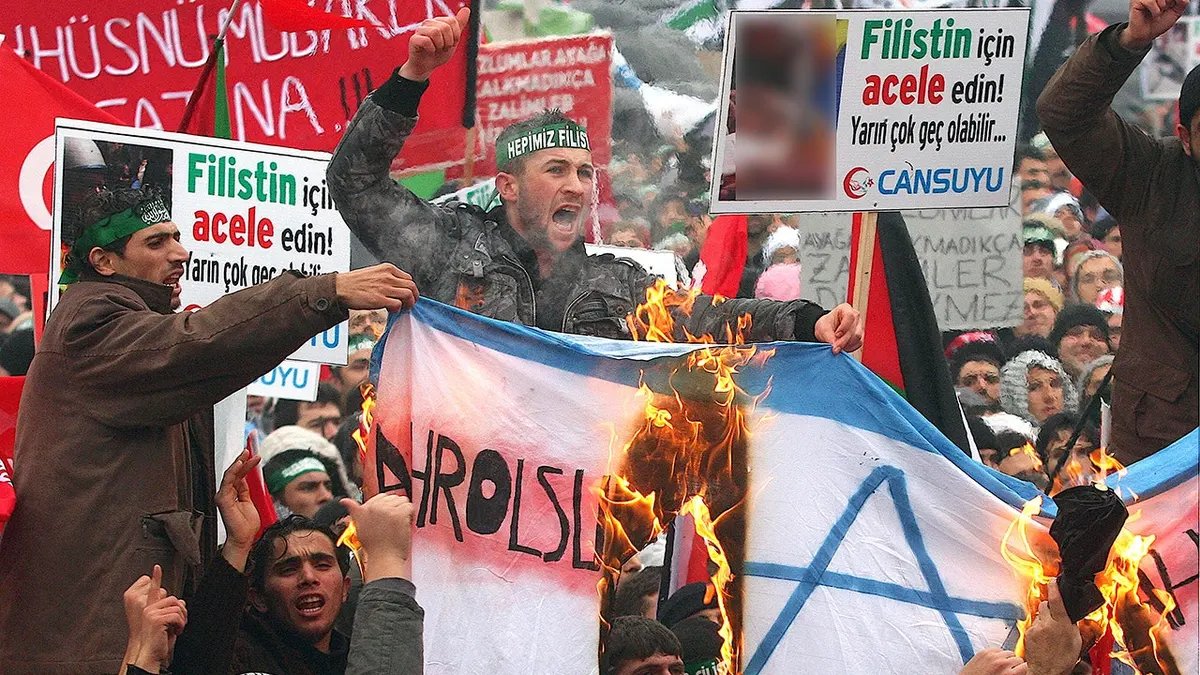
Even within the U.S., support is increasingly split along partisan lines. The annual Reagan Institute survey revealed that while 80% of self-identified MAGA Republicans believe Israel’s security is vital to American interests, overall American support on this measure dropped to 65%, down six percentage points from the previous year. Among Democrats, that figure fell to 57%. This erosion of progressive and youth support was recently highlighted by former Chicago Mayor Rahm Emanuel during a speech at Tel Aviv University, where he argued that Israel’s global legitimacy is in decline, claiming its only notable diplomatic breakthrough in three years was establishing ties with Somaliland.
Yet, proponents of Israel’s strategic resilience argue that grassroots opinion does not dictate statecraft. Richard Goldberg, a former White House National Security Council official, pointed out that Israel remains an indispensable partner in critical technology, defense, and energy sectors. In the Eastern Mediterranean, for instance, Israel, Greece, and Cyprus solidified their trilateral alliance during a summit, focusing on regional energy security and defense cooperation. Similarly, in the Caucasus, Israel continues to deepen its strategic relationships with nations like Azerbaijan.
<img src="https://nile1.com/en/wp-content/uploads/2026/07/netanyahu-vucic.jpg" alt="Serbian President Aleksandar Vucic (R) and Israeli Prime Minister Benjamin Netanyahu” width=”1200″ height=”675″ />
Goldberg also highlighted a recurring political pattern in Latin America, where conservative electoral victories often lead to immediate diplomatic realignments with Israel. He pointed to Argentina under President Javier Milei—who has proposed the “Isaac Accords”—as well as political shifts in Chile, Colombia, and Bolivia as evidence that right-wing administrations are eager to restore and enhance strategic partnerships with Jerusalem.
The durability of these alliances, however, may face a critical test depending on the political longevity of the governments that support them. If left-wing parties or younger, more skeptical voters sweep future elections in these partner nations, today’s government-to-government ties could be reassessed.
This dynamic will also be tested internally. Israel is scheduled to hold national elections on October 27, marking the first time voters will head to the polls since the October 7, 2023 attacks. According to Goldberg, a change in Israel’s leadership would clarify whether the international backlash is fundamentally directed at Prime Minister Benjamin Netanyahu or at the Israeli state itself, noting that anti-Israel boycott movements remained highly active even during the previous coalition government of Naftali Bennett and Yair Lapid.
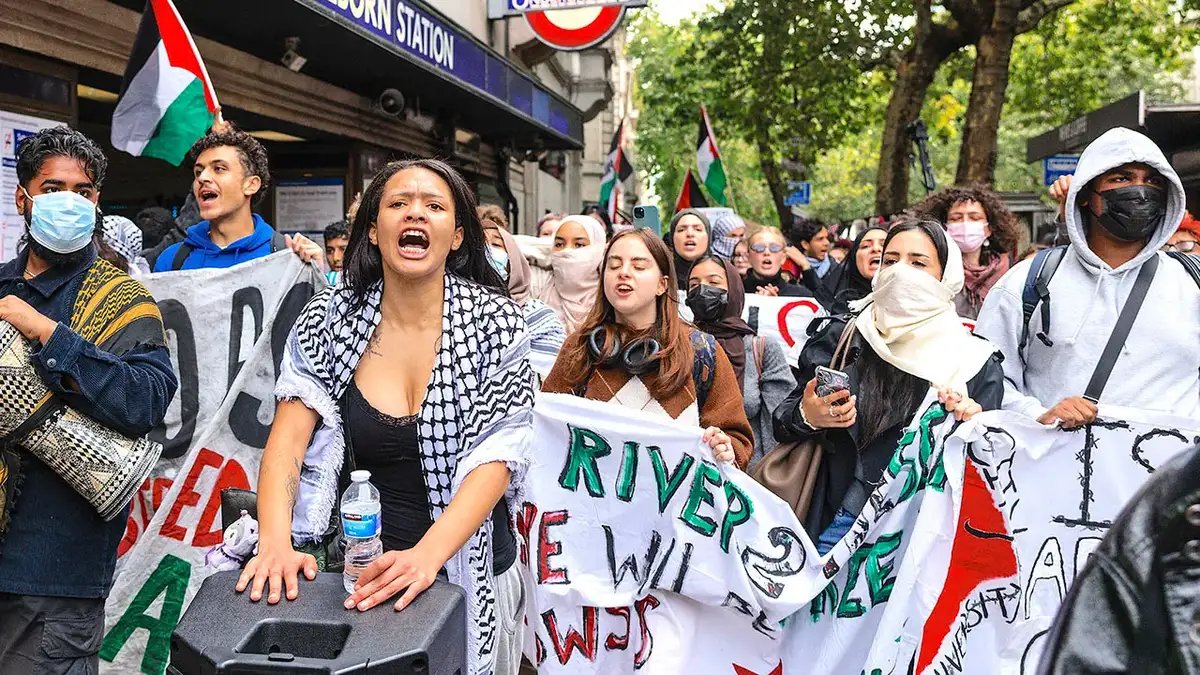
Ultimately, Israel’s global position remains deeply bifurcated. The nation continues to navigate a landscape where it is simultaneously a highly valued military, intelligence, and technological ally for sovereign governments, and a target of intensifying public disapproval that could eventually threaten those very alliances.