Trump Declares Iran Ceasefire ‘Over’ Amid High-Stakes Qatari Mediation
Washington signals potential for Swiss talks despite "unacceptable" Iranian maritime attacks.
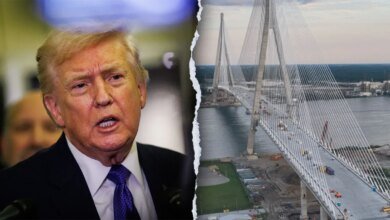
President Donald Trump has declared a formal end to the ceasefire with Iran, even as his administration signals a willingness to proceed with a new round of high-level negotiations. Writing on his Truth Social platform, Trump confirmed that Tehran requested a continuation of talks, a request the United States accepted while simultaneously notifying Iranian officials that the previous cessation of hostilities has been terminated.
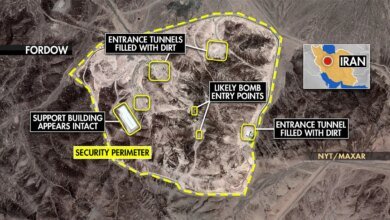
This shift follows a period of intense military friction, including U.S. strikes on at least 170 targets after Iranian-linked attacks on shipping in the Strait of Hormuz. The escalation has effectively derailed the Memorandum of Understanding (MOU) signed in mid-June, which had established a 60-day window for negotiations aimed at a broader peace settlement covering the Iranian nuclear program and regional maritime security.
Despite the collapse of the ceasefire, a parallel diplomatic track is intensifying. Qatari negotiators, acting in coordination with Washington, arrived in the Iranian city of Mashhad on Friday. According to diplomatic sources cited by Axios, these meetings are intended to de-escalate current tensions and set the stage for technical teams to meet, potentially in Switzerland as early as next week.
The involvement of the Trump inner circle underscores the weight of these backchannel efforts. Vice President JD Vance, alongside envoys Steve Witkoff and Jared Kushner, reportedly maintained contact with Qatari officials throughout the week. A U.S. official characterized the MOU as “performance-linked,” suggesting that Iranian maritime aggression constituted an unacceptable failure to meet its obligations.
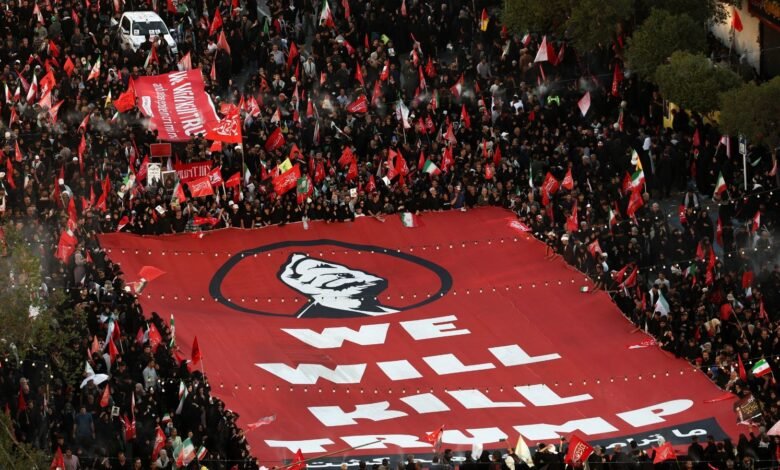
Tehran has countered this narrative, with Foreign Minister Abbas Araghchi informing Pakistan’s military leadership that U.S. strikes and rhetoric are the primary violations of the existing agreement. The diplomatic friction is further complicated by intelligence reports regarding Iranian threats against the U.S. President. Trump recently revealed he has issued standing instructions for “unprecedented” retaliation against Iran should any assassination attempt against him succeed, a stance reinforced by recent Israeli intelligence shared with the White House.
While mediators from Qatar and Pakistan seek to prevent a total breakdown of the diplomatic framework, the transition from a formal ceasefire to a state of active military deterrence suggests a new phase of coercive diplomacy. The upcoming Swiss talks, if they proceed, will likely focus on whether the technical progress made in previous rounds can survive the current atmosphere of mutual distrust.