Chick-fil-A Rejects AI Drive-Thru Orders as Rivals Adopt Tech
The chicken chain generates nearly $24 billion annually while keeping human workers at every ordering window, defying industry automation trends.
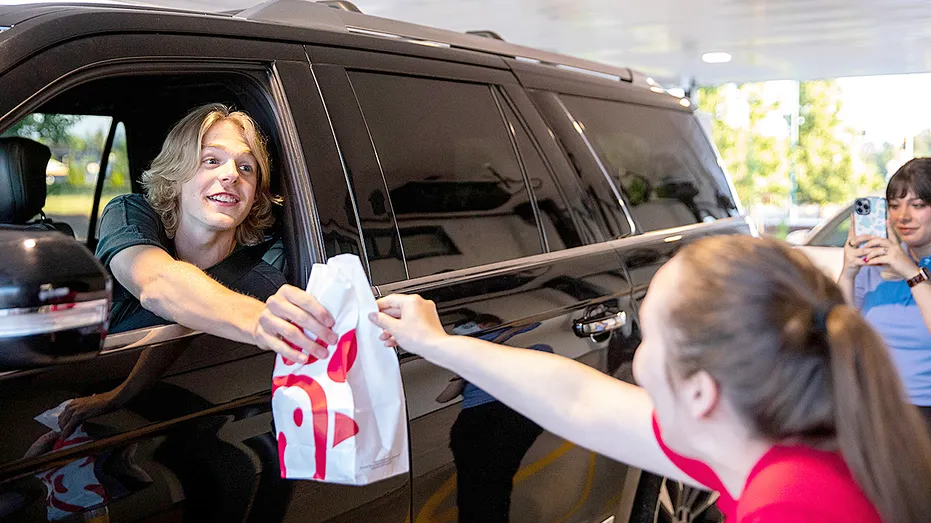
Chick-fil-A will not deploy artificial intelligence to take drive-thru orders, drawing a hard line against an automation push that has become standard strategy across the fast-food industry.
Chief Executive Andrew Cathy confirmed the privately held chain intends to keep human employees at every ordering point. The decision isolates Chick-fil-A from major competitors racing to install voice-recognition software in their drive-thru lanes to cut labor costs and speed up transactions.
McDonald’s recently outlined plans to test its Archy voice AI system in English and Spanish at select U.S. restaurants. Wendy’s has already rolled out FreshAi, a drive-thru ordering platform built with Google Cloud, designed to standardize accuracy and reduce wait times. Other chains, including Checkers & Rally’s and White Castle, have utilized third-party conversational AI systems for several years to handle routine order-taking tasks.


The broader industry pivot toward automated ordering stems from persistent wage inflation and high turnover rates among hourly restaurant workers. Voice AI promises consistent upselling, elimination of misheard orders, and reduced pressure on staffing during peak hours. For most publicly traded restaurant operators, those efficiency gains directly impact quarterly margins.
Chick-fil-A operates under a fundamentally different economic model. As a private company with no public shareholders demanding margin expansion through automation, it can prioritize brand differentiation over immediate labor reduction. The chain generated approximately $23.9 billion in U.S. systemwide sales in 2025, according to franchise disclosure figures, making it one of the highest-grossing restaurant brands in the country despite being closed on Sundays.
That scale relies heavily on throughput. Rather than removing workers from the ordering process, Chick-fil-A has invested in physical infrastructure to move vehicles faster while maintaining face-to-face contact. A restaurant design introduced in McDonough, Georgia, in 2024 features four dedicated drive-thru lanes beneath an elevated kitchen. A conveyor system delivers meals to employees every six seconds, allowing the location to process two to three times the vehicle volume of a traditional layout. Customers order ahead via mobile devices or speak directly to staff stationed along the lanes.
The chain does utilize technology behind the scenes. Its mobile app drives a significant portion of total revenue, and kitchen display systems, predictive inventory tools, and digital routing optimize back-of-house operations. The distinction lies strictly in customer-facing interactions, where management views hospitality as a competitive moat rather than a friction point to be engineered away.
Franchise operators within the Chick-fil-A system also play a role in this dynamic. Unlike many competitors where corporate dictates operational changes top-down, Chick-fil-A owner-operators are deeply embedded in daily service. Removing human order-takers would alter the specific service culture individual operators cultivate in their local markets.
Cathy indicated the company continues to evaluate how consumers will want to receive food in the future, though taking drive-thru orders remains designated exclusively for employees.