Walmart Heiress Olivia Walton Launches $100 Million Drive to Halve U.S. Maternal Deaths
Arkansas and Kansas first in line for $10M grants as U.S. maternal mortality hits 22.3 per 100,000 births
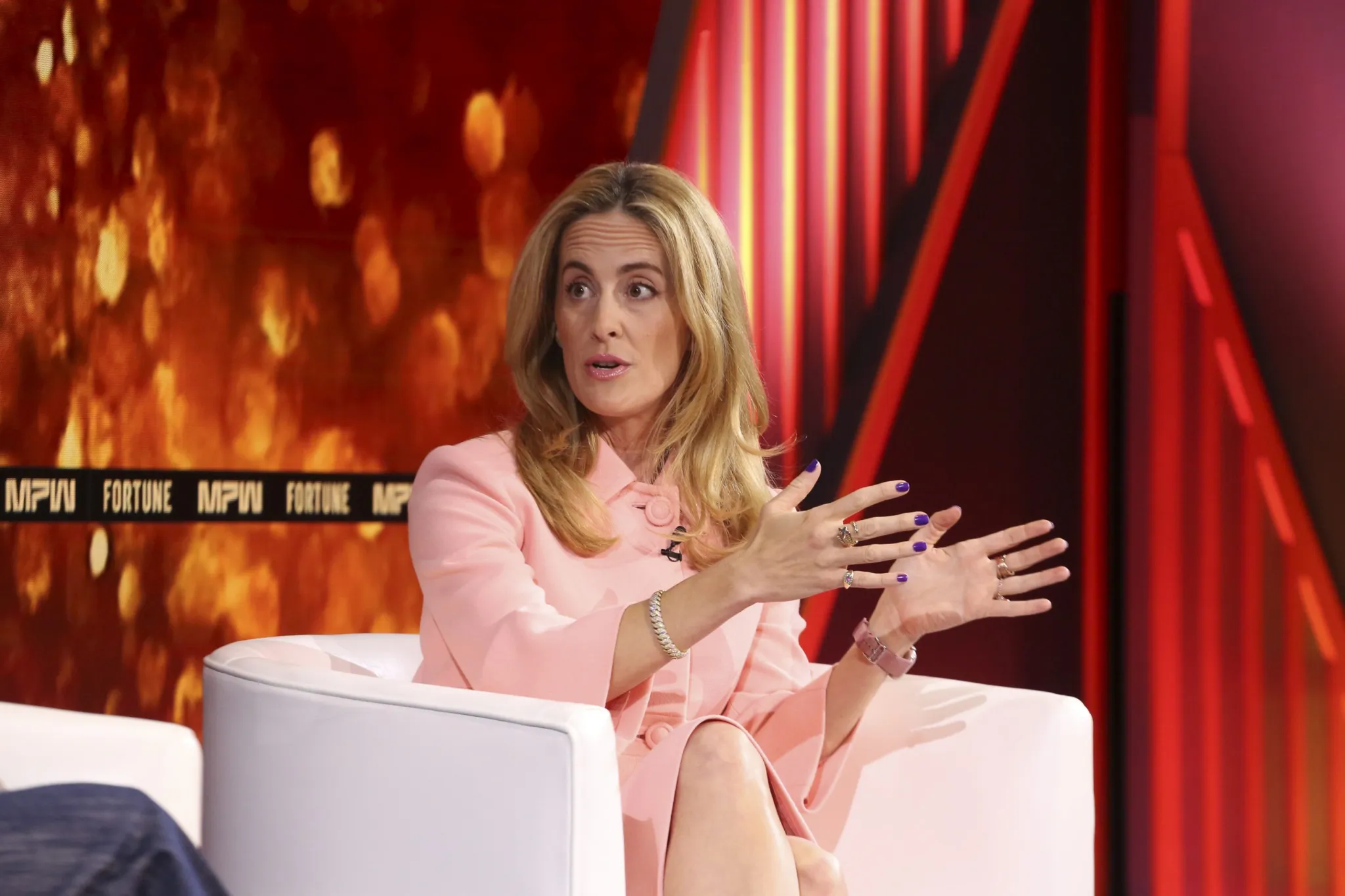
Olivia Walton, a member of the Walmart founding family, is deploying $100 million over five years through a new nonprofit to confront a crisis that has worsened for decades: American women are dying from pregnancy-related causes at rates far exceeding any other wealthy nation. The initiative, Healthy Moms, Healthy Babies America, launched in April with a bipartisan mandate to cut the national maternal mortality rate in half.
The United States recorded 22.3 maternal deaths per 100,000 live births in 2022, according to the Centers for Disease Control and Prevention — more than double the rate in France, the United Kingdom, or Canada. For Black women, the figure climbs to 49.5, nearly three times the rate for white women. Native American and Alaska Native women face similarly disproportionate risks. Despite spending more per capita on health care than any peer country, the U.S. remains the only industrialized nation where maternal mortality has risen steadily since the 1990s.
Walton’s entry into the field is personally motivated. After the birth of her middle child in 2020, she encountered gaps in postpartum care in Arkansas, a state that consistently ranks among the worst for maternal outcomes. Arkansas reports roughly 40 deaths per 100,000 live births — nearly double the national average and on par with some developing nations. “Women are dying in Arkansas from complications from giving birth at the same rate they are in Cuba,” Walton said at the Fortune Most Powerful Women conference in Santa Barbara on Monday. “And for Black and brown women, the mortality rate is three times higher. We have the medicine, we have the science. What we need is the political will.”


The Walton Family Foundation, through Ingeborg Investments — the family office Walton leads with her husband, Tom — has earmarked $10 million each for Arkansas and Kansas as initial grants. The strategy relies on four pillars: narrative change and storytelling, policy advocacy at state and federal levels, coalition-building across ideological lines, and catalytic grant-making to scale proven interventions. The organization operates as a 501(c)(4), allowing it to lobby directly — a structural choice that signals an intent to shape legislation, not just fund services.
Workforce shortages sit at the center of the crisis. The U.S. has roughly 12 maternity care providers per 1,000 live births, compared with 30 to 60 in most European systems. Nearly 36% of U.S. counties are maternity care deserts, lacking a single hospital offering obstetric care, a birthing center, or an OB-GYN. Walton’s plan emphasizes expanding the midwife and doula workforce, models shown to reduce C-section rates, preterm births, and maternal complications — particularly for Medicaid patients. The American College of Nurse-Midwives estimates the U.S. needs at least 8,000 additional midwives to meet demand.
Employer-sponsored coverage, which insures roughly 158 million Americans, is another leverage point. Large self-insured employers that have expanded perinatal benefits — including 12 months of postpartum coverage, lactation support, and doula reimbursement — report lower NICU admissions and reduced overall perinatal costs. Walton framed the business case bluntly: “Take better care of moms, not because it’s the right thing to do, but because it’s usually the smart thing to do for your business.”
The political environment adds urgency. Federal Medicaid funding faces potential cuts under budget reconciliation proposals in Congress, and the program covers more than 40% of U.S. births. Simultaneously, changes to American Medical Association billing codes for postpartum visits have created reimbursement uncertainty for providers. Arkansas, which expanded Medicaid under the Affordable Care Act in 2014, has seen coverage gains erode during the post-pandemic “unwinding” of continuous enrollment protections — over 200,000 Arkansans lost Medicaid in 2023 alone.
Walton’s bipartisan framing reflects a rare consensus area. In 2022, the Preventing Maternal Deaths Act — reauthorizing federal support for state maternal mortality review committees — passed with overwhelming support. The Black Maternal Health Momnibus, a package of 13 bills addressing social determinants, workforce diversity, and data collection, has drawn Republican co-sponsors in the House. At the state level, more than 35 states have extended Medicaid postpartum coverage from 60 days to 12 months since 2021, including Arkansas, which adopted the extension in 2023.
The $100 million pledge, while significant, represents a fraction of the estimated $30 billion in annual excess costs attributable to maternal morbidity in the U.S., according to Commonwealth Fund analyses. Philanthropy alone cannot close the gap. Walton acknowledged as much: “A $100 million pledge isn’t enough to sustain that progress on its own.” The initiative’s theory of change depends on using private capital to de-risk public investment — funding pilots rigorous enough to justify Medicaid reimbursement changes and employer benefit mandates at scale.
Healthy Moms, Healthy Babies America has not yet published a detailed grantmaking timeline or evaluation framework. The organization’s first public progress report is expected in early 2025.