Blakeman Targets Hochul and Mamdani in NY Governor Debate
Nassau County Executive links the governor to Mayor Zohran Mamdani while clashing over Marcellus Shale drilling and AI infrastructure.
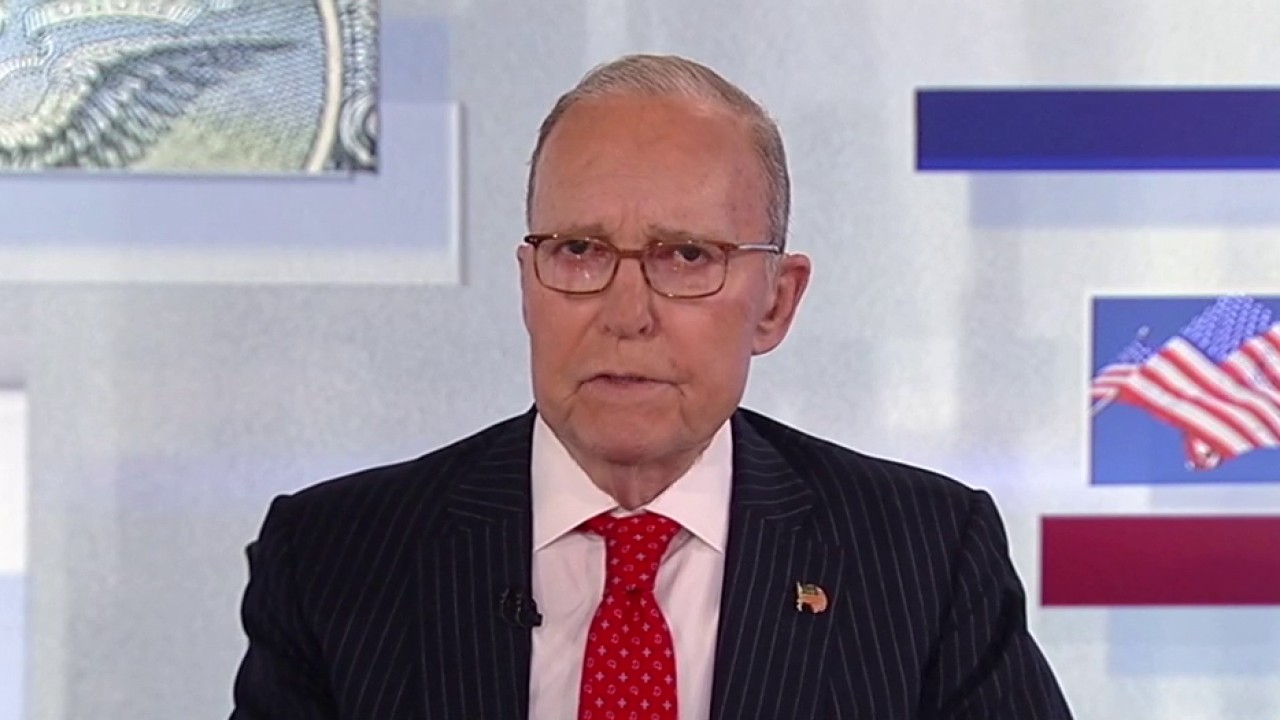
Nassau County Executive Bruce Blakeman used a televised debate against New York Gov. Kathy Hochul to frame the 2026 governor’s race as a referendum on both the state’s incumbent Democrat and newly elected New York City Mayor Zohran Mamdani.
The confrontation underscored an unusual political dynamic: a Republican county leader attempting to tether a sitting governor to a Democratic Socialist mayor, arguing that defeating Hochul is the only mechanism to halt Mamdani’s municipal agenda. Mamdani, who won the mayoralty earlier this year as a member of the Democratic Socialists of America, has already moved aggressively on progressive priorities since taking office.
During the exchange, Blakeman accused Hochul of avoiding her administrative record by focusing on former President Donald Trump. When Hochul stated she did not “wrap myself in the shroud of Donald Trump,” Blakeman countered that she instead aligned herself with Mamdani. The strategy reflects a broader Republican effort in deep-blue states to link moderate or establishment Democrats with the party’s furthest-left factions, testing whether suburban voters will punish incumbents for ideological drift they attribute to allied officials.


Energy policy emerged as a central point of friction, specifically regarding the Marcellus Shale. This massive natural gas formation stretches across much of Pennsylvania and into New York’s Southern Tier. While neighboring Pennsylvania permitted extensive hydraulic fracturing under Democratic Gov. Josh Shapiro—generating significant severance tax revenue and lowering regional utility costs—New York finalized a statewide ban on high-volume fracking in 2015. Blakeman repeatedly pressed for drilling and pipeline development within New York borders to address high utility bills, a persistent vulnerability for Hochul given the state’s elevated cost of living. Hochul dismissed the proposal, characterizing it as a plan to build oil wells indiscriminately.
The candidates also clashed over artificial intelligence infrastructure. Blakeman attacked Hochul’s efforts to restrict AI data centers, warning that such regulations risk ceding technological dominance to China. Data center expansion has become a volatile land-use issue across the Northeast, pitting local concerns about power grid strain and water consumption against state-level economic development goals and national security imperatives.
Blakeman directed sharp criticism at Mamdani’s early tenure, specifically targeting an executive order the mayor signed altering how city agencies define antisemitism. Municipalities and universities nationwide have debated competing frameworks for identifying antisemitic conduct, primarily split between the International Holocaust Remembrance Alliance working definition and alternative civil rights standards. Blakeman labeled the mayor an antisemite and anti-Christian, asserting that Mamdani lacks American values, and faulted Hochul for campaigning alongside him.
Hochul’s past institutional ties faced scrutiny when Blakeman raised sexual misconduct allegations at Cornell University. He challenged her response to the controversy, pointing out her dual role as governor and as a trustee of the Ivy League institution, which receives substantial annual state funding. Blakeman questioned why she failed to demand an independent investigation after local prosecutors dropped related cases.
Immigration enforcement and criminal justice policies provided further contrast. Blakeman linked New York’s sanctuary policies to rising violence, attacking Hochul’s approach to both immigration and public safety as overly permissive. New York remains one of several states limiting local law enforcement cooperation with federal immigration authorities, a stance that has drawn intensified legal and political challenges from the current federal administration.
New York has not elected a Republican governor since George Pataki won his third term in 2002. Democrats maintain a commanding advantage in statewide voter enrollment, though recent municipal elections have signaled growing volatility in traditional voting blocs. Polling data following the debate is expected to indicate whether Blakeman’s aggressive strategy of fusing the governor’s race with the new mayor’s controversial first months in office can narrow the structural gap in a heavily Democratic state.