Skydance Stock Plunges 22% After $5.7B Warrant Distribution
Nearly 471 million warrants priced at $12 hit the market as the newly merged studio giant finalizes its Warner Bros. Discovery integration.
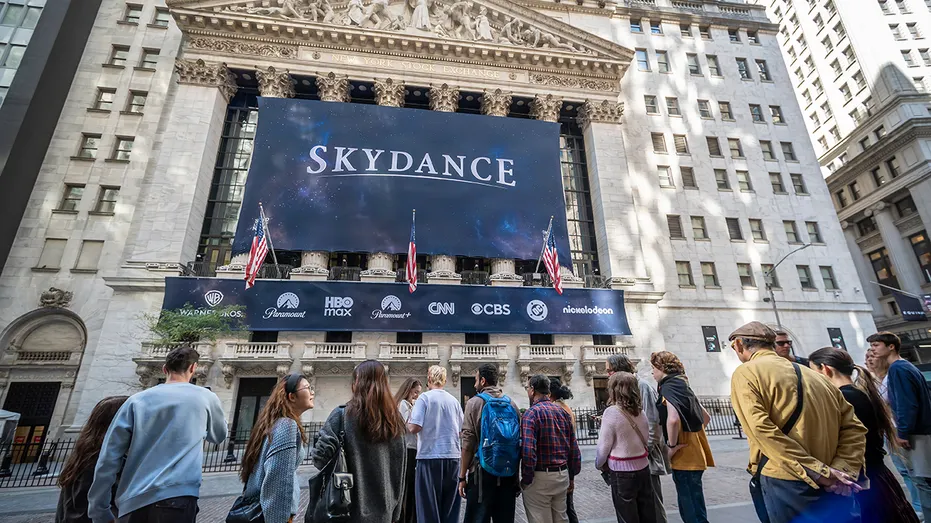
Skydance Corp. shares cratered Wednesday after the media conglomerate flooded the market with nearly 471 million stock warrants, a maneuver that instantly altered the stock’s supply dynamics following its historic consolidation of Hollywood assets.
Trading under the ticker SKYD on the New York Stock Exchange, Skydance closed down 22.2% at $7.06 after plunging as low as $6.68 earlier in the session. The selloff reflects standard market mechanics rather than operational distress: issuing warrants at an exercise price significantly above the current trading level signals potential future dilution, prompting immediate repricing by institutional and retail traders alike.
The distribution, executed Oct. 13 and detailed in a Securities and Exchange Commission filing, granted one warrant for every share of Class B common stock held as of the Oct. 5 record date. Each instrument gives holders the right to purchase one Class B share for $12 through October 2036, though specific conditions could trigger earlier expiration. If fully exercised, the warrants would inject approximately $5.7 billion into the company’s balance sheet.

Wells Fargo analysts characterized the issuance as the definitive final step in closing Skydance’s $110 billion acquisition of Warner Bros. Discovery. That transaction fundamentally redrew the map of American media, pulling CBS, CNN, HBO Max, and Paramount+ under a single corporate umbrella controlled by CEO David Ellison.
The sheer scale of the combined entity carries immense financial weight. Reuters reported the new company shoulders roughly $80 billion in debt, a leverage ratio that places intense pressure on management to execute rapid cost reductions. To service that debt load and stabilize the balance sheet, Skydance is pursuing approximately $6 billion in planned savings.
A central pillar of that cost-reduction strategy involves collapsing the company’s two major streaming platforms. Rather than funding parallel content libraries and technology stacks for both HBO Max and Paramount+, Ellison intends to merge them into a single direct-to-consumer service. Consolidating streaming operations has become an industry imperative; rivals including Walt Disney Co. and Comcast’s NBCUniversal have similarly restructured their digital divisions over the past three years to stem billions in cumulative losses incurred during the peak streaming expansion era.
Ellison has positioned the mega-merger as a necessary evolution to compete directly against deep-pocketed technology incumbents like Netflix and Amazon, which possess vast capital reserves and global infrastructure advantages legacy studios lack.
The path to finalizing the Warner Bros. Discovery takeover was not entirely unobstructed. Several U.S. states filed litigation attempting to block the transaction, forcing Paramount into a legal settlement to clear regulatory hurdles before shareholders ultimately approved the deal.
Siebert Financial Chief Investment Officer Mark Malek recently addressed the broader pressures facing media equities during an appearance on Fox Business’ “Making Money,” pointing to persistent volatility across the sector as companies navigate high interest rates and shifting advertising revenue models.
Skydance did not immediately respond to a request for comment regarding Wednesday’s trading activity or its integration timeline.