
Apple Hides Clarus the Dogcow in iOS 27
The hidden iPhone feature revives one of Apple’s most recognizable Macintosh-era mascots
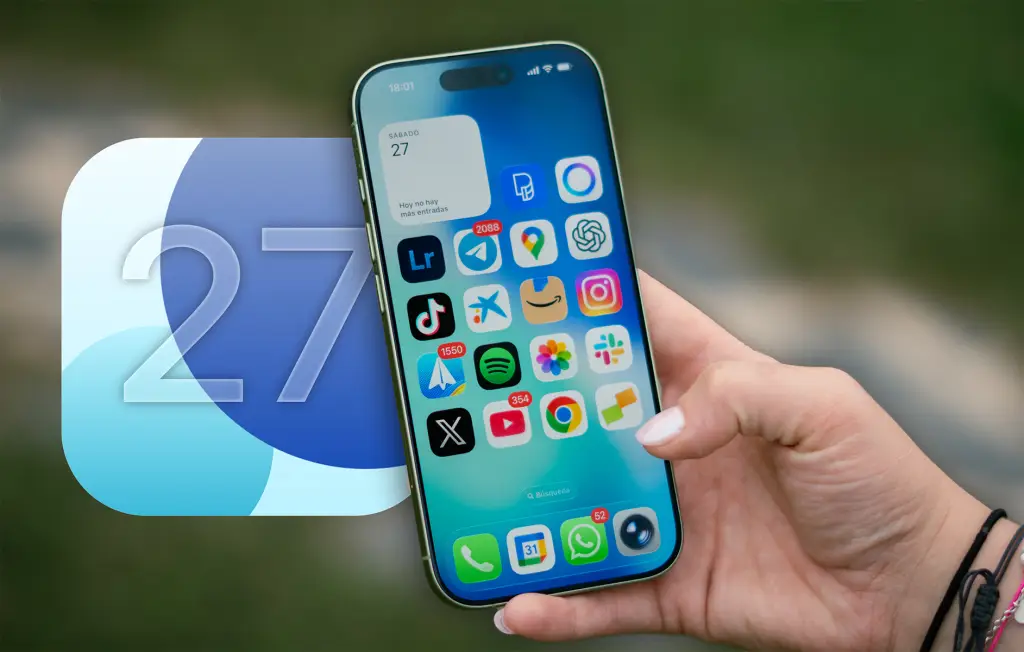
CUPERTINO, California — Users who open the “Settings” menu on an updated iPhone, select “Appearance,” and then enter the “Liquid Glass” section can uncover an Apple easter egg. After scrolling past the initial Apple Park sample image and swiping through the remaining preview graphics, a continuous swipe on the final image reveals “¡Moof!” in the search field and displays Clarus, the legendary pixelated hybrid mascot.
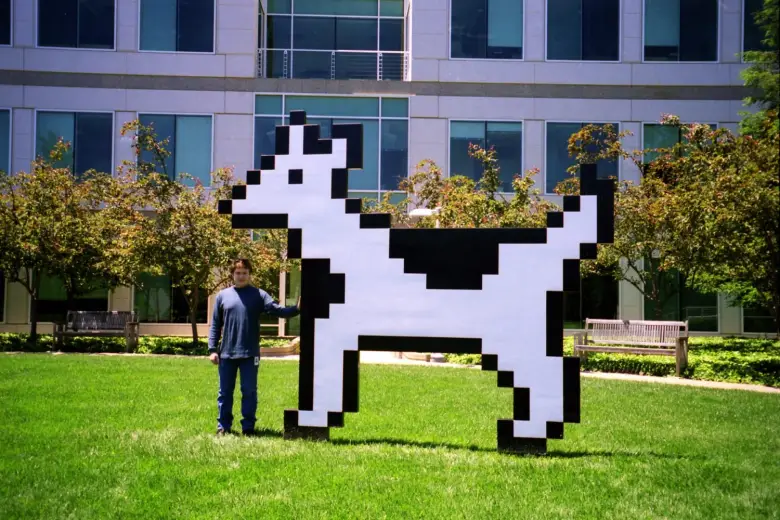
The hidden tribute appears in iOS 27, Apple’s latest mobile operating system, and recalls the company’s early Macintosh roots. Its discovery comes as Apple’s internal culture and design philosophy undergo a notable shift, with executives such as John Ternus bringing greater influence to the company’s Silicon Valley headquarters.


Clarus was first designed in 1983 by pioneering graphic designer Susan Kare as part of the “Cairo” bitmap dingbat font created for the original 1984 Macintosh. The character later became part of Apple’s corporate lore, although its original purpose was practical rather than decorative.
When Apple introduced the LaserWriter printer in 1986, Clarus appeared in the Page Setup dialog box. The bitmap graphic demonstrated paper orientation—portrait or landscape—and indicated how a document would feed through the printer, helping prevent users from printing text upside down.
Because the figure looked neither like a standard dog nor a standard cow, Apple technical writer Mark “The Red” Harlan called it a “dogcow” and gave her the name Clarus. Early Mac developers and engineers developed a cult following for the character, which eventually became an official internal mascot for Apple’s Developer Technical Support division.
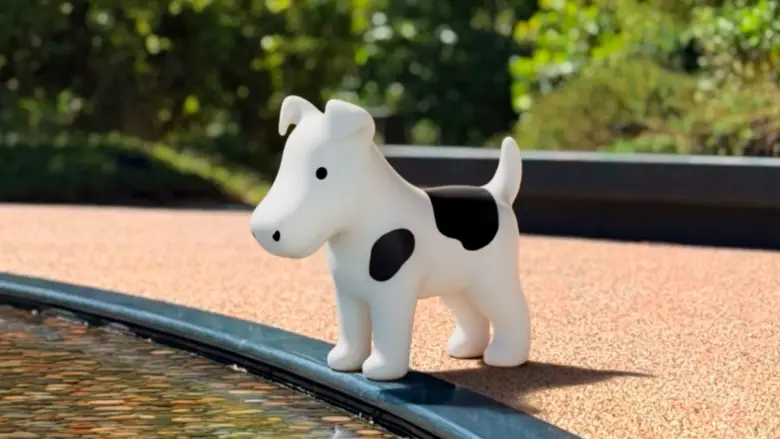
Apple also registered trademarks for Clarus and her distinctive sound, “Moof!”—a portmanteau of “moo” and “woof.” In the late 1990s, the company defended the character in a trademark dispute with Microsoft after Microsoft attempted to use a similar dogcow-like figure in Windows.
For decades, Apple avoided software easter eggs, meaning undocumented, playful features hidden within software. After Steve Jobs returned to the company in 1997, he banned hidden features to streamline operating system code, improve quality assurance, and project a unified, professional corporate image. The policy largely continued during CEO Tim Cook’s administration.
iOS 27 indicates that those rules have relaxed, allowing engineers to reconnect with long-time developers and brand loyalists through historical references. The revival of corporate easter eggs coincides with hardware-centric development practices and design nods associated with Apple’s early, detail-oriented identity under co-founder Steve Jobs.
Modern printing utilities and mobile operating systems now handle layout orientation automatically, leaving Clarus’s functional purpose obsolete. Her appearance in iOS 27 is part of the current product team’s effort to honor Apple’s software heritage, while industry observers have noted renewed attention to the small, quirky design elements that originally defined the Macintosh ecosystem.