A Facial Recognition Match Sent a Tennessee Grandmother to Jail
The Fargo case exposes the consequences of using an unverified biometric match as probable cause
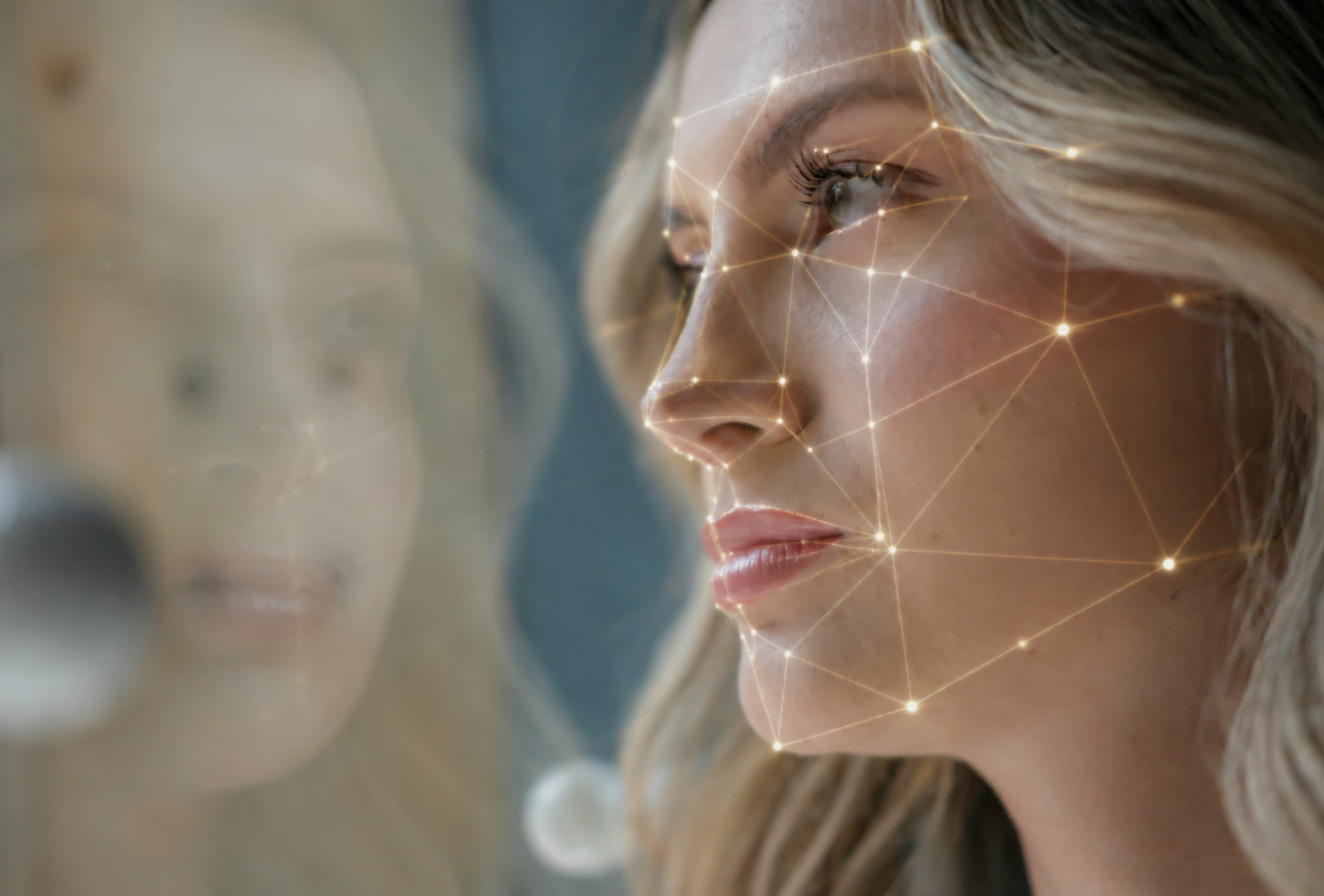
Angela Lipps, a 50-year-old grandmother from Tennessee, spent nearly six months incarcerated after being falsely linked to a North Dakota bank fraud scheme in a federal civil rights lawsuit seeking $10 million. Lipps had never visited North Dakota.
The case began in spring 2025, after Fargo detectives investigated bank thefts that occurred in April and May. An unidentified suspect had withdrawn tens of thousands of dollars from local financial institutions using a counterfeit U.S. Army identification card. Detective Lucas Heck ran a facial recognition search, but the complaint says he used the photograph printed on the counterfeit military ID rather than high-quality surveillance footage from the thefts.
The software flagged Lipps as a possible match. The lawsuit says she lived in Tennessee, had no history of traveling to North Dakota, did not match the suspect’s physical description in bank surveillance footage, and had no unexplained financial transactions connecting her to the stolen funds.


West Fargo Police Department officers had already reviewed the facial recognition results and determined that they were insufficient to establish probable cause for charges. Fargo police nevertheless pursued eight felony charges against Lipps; the most serious carried a maximum sentence of 10 years in prison.
The complaint alleges that Heck did not disclose in his warrant application that the search had been conducted on a fake ID photograph rather than crime-scene footage. It also says he omitted that facial recognition results are intended only as preliminary investigative leads, not positive identification. According to the lawsuit, the Fargo Police Department had no active policies, training protocols, or administrative oversight governing officers’ use of the software at the time, allowing investigators to obtain felony warrants from a computer match that neighboring officers had rejected as legally insufficient.
In July 2025, heavily armed U.S. Marshals arrested Lipps at gunpoint in Tennessee while she was babysitting four young children. She was booked into a local county jail as a fugitive from justice and remained there for 108 days while awaiting extradition. Jail staff allegedly denied her prescribed medications and dentures for extended periods.
After Lipps was transferred to North Dakota, her defense attorney assembled bank records showing that she had been in Tennessee—more than 1,200 miles away—at the exact times of the North Dakota thefts. Authorities released her on Christmas Eve 2025.
Lipps left the jail stranded in Fargo in 10-degree winter weather, without a winter coat and with only four cents. A local Fargo nonprofit organization and a neighbor helped her return to Tennessee. Her prolonged incarceration prevented her from paying her bills, and she lost her home, vehicle, and dog.
The lawsuit names the City of Fargo and Fargo Police Department Detective Lucas Heck. It requests a jury trial, $10 million in compensatory damages, punitive damages against Heck, and coverage of all legal fees. The legal action is part of a growing nationwide series of challenges concerning detectives’ use of automated biometric matches.
The Fourth Amendment protects citizens against unreasonable searches and seizures and requires arrest warrants to be supported by probable cause. The American Civil Liberties Union and other civil rights groups have argued that using automated biometric matches as the sole basis for an arrest warrant is a systemic violation of those constitutional protections. Digital forensics experts and civil rights organizations have also warned that facial recognition should generate only initial investigative leads, while police departments have been accused of treating computer-generated matches as definitive proof of identity.
National Institute of Standards and Technology studies have repeatedly documented significant limitations in facial recognition algorithms, including substantially higher false-positive rates for women, Black individuals, and East Asian individuals than for white men. Combined with unclear departmental guardrails, those limitations have contributed to wrongful arrests and substantial municipal liabilities.
Robert Williams was wrongfully arrested by Detroit police in 2020 after an algorithm matched his driver’s license photograph to a suspect who had stolen luxury watches from a local store in 2018. Williams spent 30 hours in custody. With support from the ACLU of Michigan, he sued, and the City of Detroit agreed to a $300,000 settlement in 2024. The Detroit Police Department then adopted strict regulations prohibiting arrests based solely on facial recognition leads and requiring independent photographic lineups to corroborate every match.
Detroit has faced other lawsuits involving the technology. Porcha Woodruff was eight months pregnant when she was falsely arrested for carjacking in 2023 because of an erroneous facial recognition match. Randall Reid spent nearly a week in a Georgia jail in late 2022 after Louisiana authorities issued a warrant based on a false match connecting him to a purse theft in a state he had never visited.
Other automated law-enforcement systems have raised similar concerns. In a separate incident, police officers swarmed and detained a high school student after an artificial intelligence surveillance camera mistakenly identified a bag of Doritos he was holding as a firearm.
Lipps’ case is expected to increase pressure on municipal police departments nationwide to establish formal, binding policies for artificial intelligence and biometric database tools.