Barca, Limak Pause Camp Nou Dispute to Finish Stadium
Legal action over construction delays is deferred as both sides target VIP box openings by early 2027.
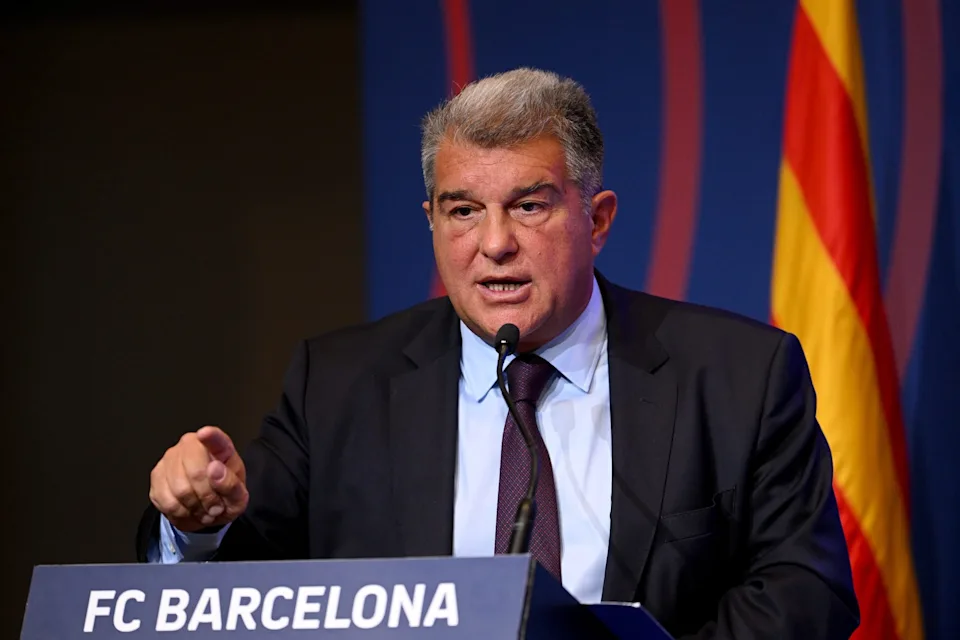
FC Barcelona and Turkish construction giant Limak Holding have shelved a looming legal fight over the Spotify Camp Nou renovation to prioritize finishing the project. Club president Joan Laporta met with Limak chairwoman Ebru Ozdemir in Istanbul this week, using a Champions League away fixture against Galatasaray as cover for high-level talks aimed at accelerating the delayed stadium overhaul.
The discussions mark a tactical pause in a relationship strained by missed deadlines. Rather than litigate now, both organizations agreed to direct all available resources toward completing the physical structure. Any contractual disputes regarding penalty clauses will be addressed only after the building is finished, according to sources familiar with the negotiations.
Laporta had previously signaled during the club’s most recent General Assembly that Barcelona was prepared to enforce financial penalties against Limak for construction delays. That threat remains active but has been deliberately excluded from the current dialogue to prevent work stoppages or further friction on site.


Limak, one of Turkey’s largest conglomerates, secured the Camp Nou contract through its construction division, which has delivered major infrastructure projects including airports and energy facilities across Europe and the Middle East. The firm took over the stadium redevelopment as part of Barcelona’s broader Espai Barça initiative, originally projected to modernize the club’s entire sporting complex.
Delays have forced Barcelona into an expensive logistical workaround. The team relocated home matches to the Estadi Olímpic Lluís Companys in Montjuïc while heavy construction continued. Operating out of the municipal athletics stadium rather than their traditional home has cost the club significant matchday revenue, particularly from premium seating and hospitality packages that the Olympic venue cannot replicate.
Financial pressure makes the completion timeline critical. Barcelona plans to open select VIP boxes situated between the second and third tiers between late 2026 and early 2027. Activating these corporate spaces before the wider stadium opens would provide an immediate revenue injection while structural work continues above.
The club’s uppermost seating level will remain entirely closed to fans until the new retractable roof is installed. Engineering requirements dictate that the third tier cannot safely operate without the overhead canopy in place, eliminating any possibility of a phased partial opening for general admission in that section.
The original Espai Barça masterplan envisioned a capacity exceeding 104,000 spectators once completed, making it the largest football stadium in Europe. The addition of a fully enclosed roof represents the most complex engineering challenge of the build, designed to allow year-round events and protect spectators from weather while integrating acoustic improvements.
During the Istanbul trip, Laporta and several board members attended an official dinner with Ozdemir and Limak executives. The delegations later shared the directors’ box at the Galatasaray match, a public display of alignment intended to signal stability to sponsors and season-ticket holders monitoring the project’s progress.
Spotify’s naming rights agreement, signed in 2022, ties the streaming company’s brand to the venue through 2026, with extension options dependent on the facility meeting specific operational milestones. Delivering the finished stadium on a revised schedule directly impacts those commercial terms.
Barcelona returned from Turkey having secured a commitment from Limak to concentrate exclusively on construction velocity. No date has been announced for when the legal review of delay penalties will formally begin.