A containerized microgrid powers Callington’s water plant off-grid
A factory-assembled solar-and-storage system keeps a remote South Australian water facility operating beyond the electrical grid.
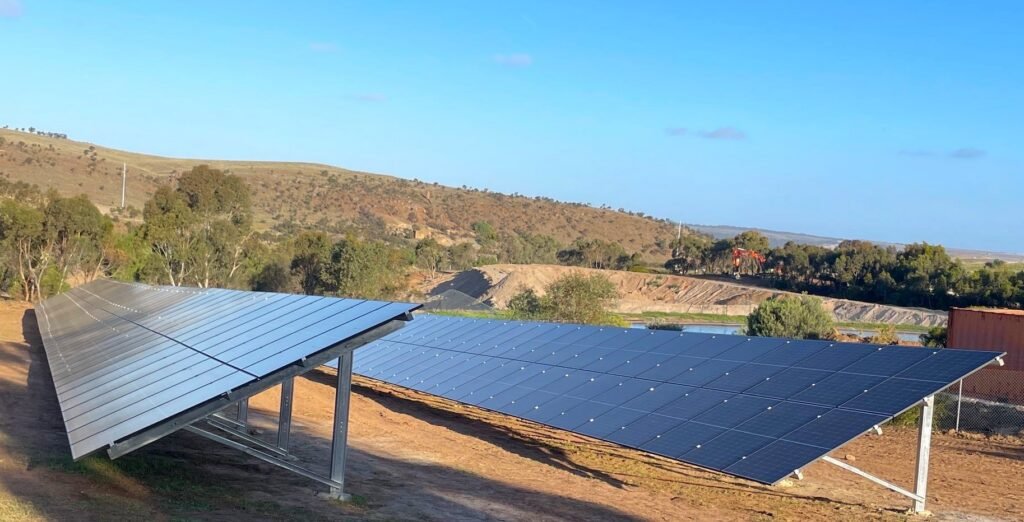
A water treatment facility in Callington, South Australia, now runs on an off-grid solar-and-storage microgrid designed to keep filtration and distribution operating without interruption. The remote site is completely isolated from the centralized electrical grid.
The project received “Highly Commended” honors for Clean Energy Project of the Year in the commercial category for projects budgeted under $1 million (approximately $700,000 USD) at the 2025 Master Electricians Australia Industry Excellence Awards. The cost bracket underscores the growing affordability of complex, medium-scale industrial microgrids, which previously required multi-million-dollar capital investments.
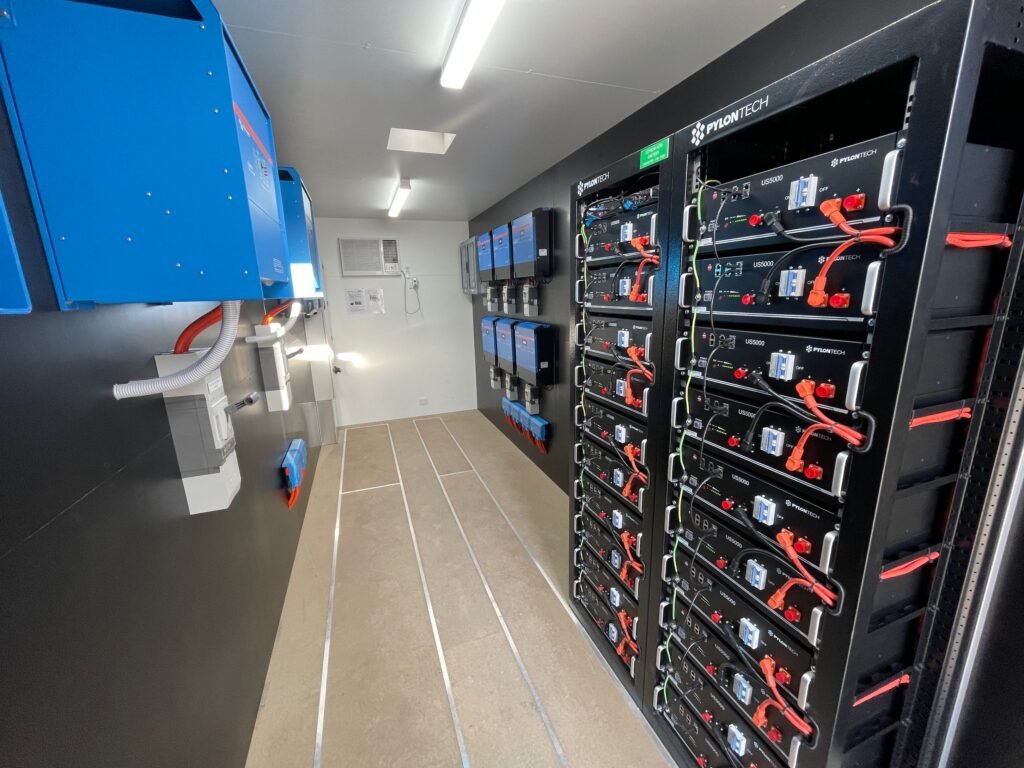

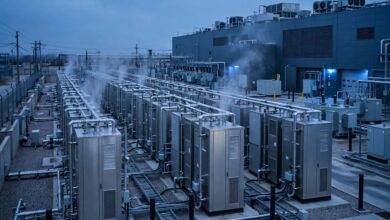
Adelaide-based renewable firm MyEnergy Engineering engineered the system, which pairs a 99.6-kilowatt ground-mounted Jinko Solar array with a lithium-ion battery storage system. The primary controls and battery bank sit inside a standardized, 20-foot shipping container, insulated and air-conditioned to protect the power electronics and maintain thermal stability. The container was fully assembled at MyEnergy’s headquarters, then hauled by truck to Callington for immediate on-site commissioning.
Callington is a rural town about 55 kilometers (34 miles) southeast of Adelaide. South Australia is the driest state in the driest inhabited continent, and the facility operates amid extreme seasonal temperatures and drought conditions. Extending high-voltage transmission lines to isolated utility assets can cost hundreds of thousands of dollars per mile, making localized renewable microgrids a cost-effective alternative for public works and water districts.
The microgrid combines AC- and DC-coupled systems to meet heavy power demand during peak solar hours and maintain continuous operation overnight. Its 96-kilowatt-hour battery bank, manufactured by Pylontech, uses lithium iron phosphate (LFP) chemistry, favored in industrial applications for thermal safety and cycle longevity.
Three Victron Quattro 48/15000 inverter/chargers manage two-way power flows among the battery bank, solar generation and water treatment pumps. Two Fronius Symo 20.03 three-phase inverters handle the AC-coupled solar generation, optimizing real-time solar energy consumption during daylight hours. On the DC side, six Victron SmartSolar MPPT RS450/200-TR charge controllers regulate high-voltage energy from the 99.6 kW Jinko array to charge the 48-volt battery bank. A Victron Cerbo GX communication center coordinates load management, battery state-of-charge tracking and remote system diagnostics.
Outside the container, a ground-mounting system supplied by Clenergy anchors the Jinko Solar panels and is designed to withstand the high wind loads typical of the South Australian plains. Housing the battery and inverter components in a sealed, climate-controlled container also protects them from dust, insects and humidity, as well as summer heat when ambient temperatures frequently surpass 40 degrees Celsius (104 degrees Fahrenheit).
Building microgrids off-site in a controlled factory environment cuts on-site deployment schedules, reduces labor costs and minimizes the risk of component damage during transport. The modular approach is gaining traction across the global utility sector, particularly for water purification, telecommunications and agricultural processing hubs in underserved rural markets.