Why Rosebank’s Gas Passes the Energy Test Its Oil Cannot Pass
The field's oil and gas leave the same ship by different routes, and the decision waiting in London turns on that split.
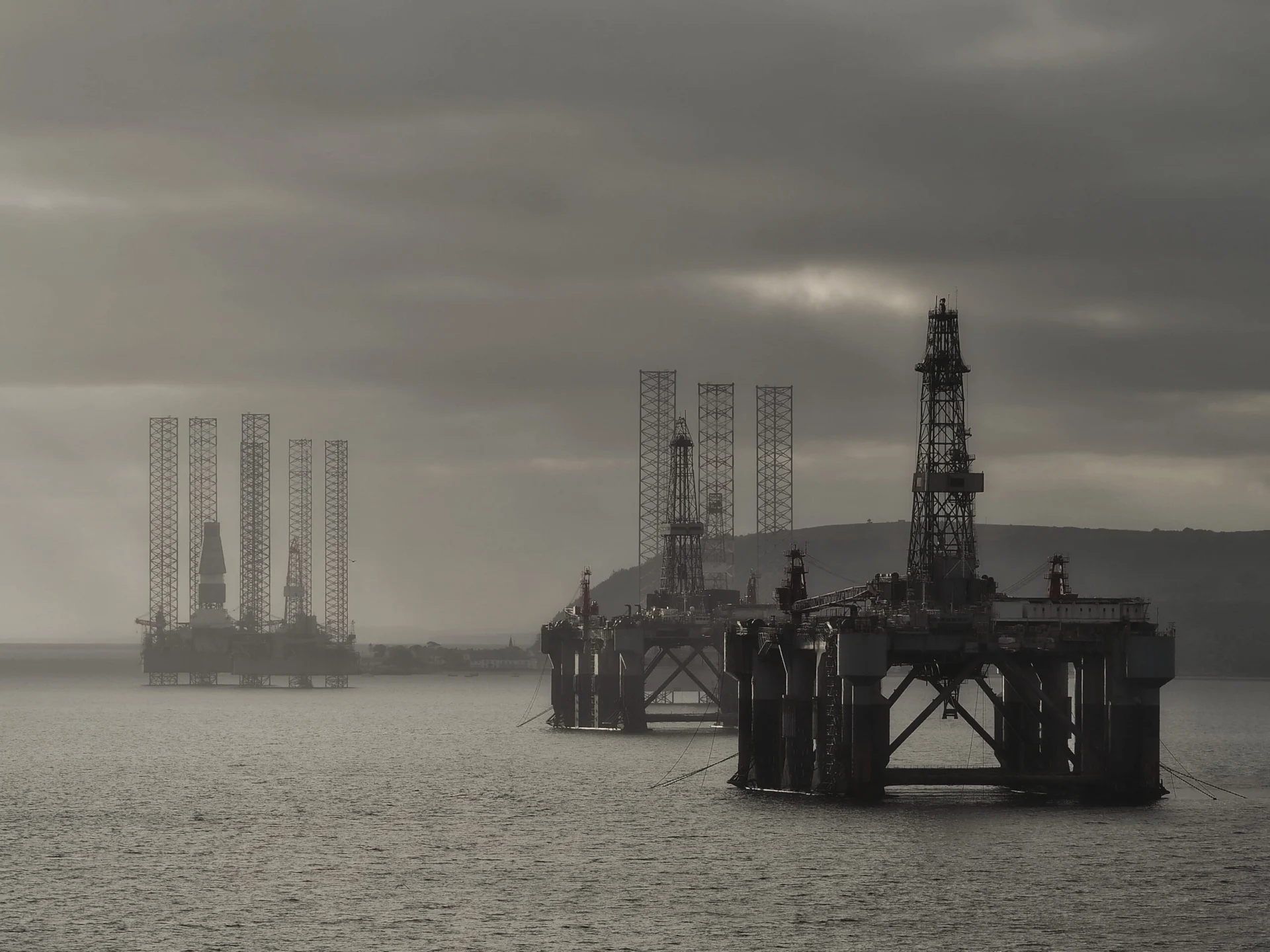
Eighty miles north-west of Shetland, the Petrojarl Rosebank sits over a field it is not yet allowed to produce from, and everything it would one day send ashore leaves by two different routes. Oil would go out through a loading hose to shuttle tankers bound for refineries in continental Europe, sold on the open market at prices set far from Britain. Gas would travel the other way, through a pipeline to Shetland and on to the St Fergus terminal in Aberdeenshire, where it enters the domestic system, both cargoes leaving the same turret.
Fahnbulleh drew the line herself when she approved the neighbouring Jackdaw gas field on 21 October. She described Jackdaw as a gas field that caters for the domestic market and Rosebank as an oil field mainly for export, and said each application would be judged on its own merits against the country’s climate obligations and carbon budgets. Jackdaw’s approval gave that distinction the force of a precedent, with Rosebank next in line.
The gas half starts from St Fergus. Adura, the Shell and Equinor joint venture that operates Rosebank with an 80 percent stake alongside Ithaca Energy’s 20 percent, says the field’s gas could heat 500,000 British homes at peak production. Jackdaw, approved on the same logic, is expected to raise domestic gas output by around 6 percent at peak and run for up to 11 years. Its developers put its economic contribution at an estimated £2.9 billion, on a £2.1 billion investment, and its gas could heat the equivalent of around 1.4 million homes at peak. First gas from Jackdaw could reach homes and businesses from the end of October, which is why its approval was framed as help for this winter rather than for some distant energy future.
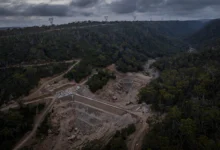
Shuttle tankers would take the oil half out of the domestic argument altogether. Rosebank’s crude, somewhere between 300 million and 500 million barrels by the BBC’s range, would be priced against Brent crude trading above $100 a barrel and refined abroad. Ithaca puts recoverable oil across two phases at around 300 million barrels. Fahnbulleh has already conceded in the Jackdaw case that new North Sea output does not lower household bills, since prices are set internationally. Britain imports more than 70 percent of its oil, so the barrels would displace imports in an accounting sense without ever arriving as British supply in the way Jackdaw’s gas does. Supporters answer that UK and European energy markets are co-dependent and that the field will generate millions in tax for the Treasury, which moves the argument from energy security to revenue, and that shift matters because it changes what approval has to be defended on.
The letter Aberdeen South MP Douglas Lumsden sent Fahnbulleh cites 1,600 to 2,000 jobs during peak construction and up to 525 long-term UK-based jobs. Adura’s own lifetime figure is an average of 525 UK-based full-time jobs across the project’s life. Jackdaw’s figures are different again, 27 direct jobs and 273 safeguarded ones, and Fahnbulleh told the Guardian that jobs were not the primary consideration in that decision. A peak-construction headcount, a lifetime average and a direct-plus-safeguarded count can all be true at once, and none of them answers the other.
Conservative leader Kemi Badenoch made the jobs-and-revenue case in a television interview clip posted to Facebook on 23 October, saying “there are a lot of people who need those jobs” and that “every barrel produced in the UK is one not bought from Russia”. Her version of the argument runs on employment, tax revenue and replacing dirtier foreign barrels, which is the ground the oil half actually stands on once the domestic-supply claim is set aside. It is also the ground on which the field’s opponents meet it, with Uplift’s executive director Tessa Khan calling approval “a disastrous decision and a terrible deal for ordinary people” and arguing that a green light would do the opposite of building investor confidence.
The law that already undid this decision once is what binds Fahnbulleh’s hands. The Supreme Court’s 2024 Finch ruling required environmental assessments to count the emissions from burning the fuel produced, and on 30 January 2025 the Court of Session in Edinburgh quashed both the Rosebank and Jackdaw consents because their assessments had left those downstream emissions out. Lord Ericht ruled that the decisions “can be taken again, this time taking into account downstream emissions”, while work short of extraction could continue, which is how the Petrojarl Rosebank came to be moored over a field it cannot yet produce from. The public consultation on Rosebank closed on 17 August. The government’s project record still lists the application as “Under Review”, and a parliamentary answer on 17 September said Fahnbulleh would decide later without giving a date. BBC sources point to a decision before Christmas.
Campaigners put the lifetime emissions from burning the field’s oil above 200 million tonnes. Adura puts Rosebank’s production intensity at around 12 kilograms of carbon dioxide equivalent per barrel, against a North Sea average near 20 kilograms, and says powering the vessel from shore could cut that by more than 70 percent to below 3 kilograms once the technology is qualified and the consents are in place. Government officials put the field’s lifetime emissions at roughly seven times Jackdaw’s, which is the gap between counting what comes out of the ship and counting what comes out of the exhaust pipes at the end of the journey. The Finch ruling forces both counts into the same assessment, and whichever way Fahnbulleh decides, the losing side has a courtroom already mapped out for it.
The £2 billion Energy Wealth Fund launched alongside the Jackdaw approval is to be fed over time by future North Sea tax revenues and invested in renewable and low-carbon energy. Chancellor John Healey launched it inside the National Wealth Fund, and the Treasury’s own framing for the fund looked backwards, estimating that around £200 billion of historic North Sea receipts invested at Norway-like returns with no withdrawals could have built a fund worth about £1 trillion. The forward look is thinner, with the Office for Budget Responsibility forecasting North Sea tax receipts falling from £2.7 billion in 2025-26 to £0.3 billion by 2030-31, so the fund’s future inflows depend on the very production decisions the Rosebank ruling will either extend or curtail.
Adura’s chief executive Neil McCulloch has said a Rosebank approval could pave the way for four more Jackdaw-sized gas developments in the waters west of Shetland, naming Tornado, Tornado East, Tobermory and Suilven, and the two consented fields together represent a combined anticipated investment of £10.8 billion, more than three-quarters of it spent in the UK. Rosebank at peak would produce around 69,000 barrels of oil a day, roughly 10 percent of anticipated UK Continental Shelf oil output, which is large enough to slow the decline of a producing basin rather than reverse it. McCulloch put the four fields in the same sentence as Rosebank’s approval, and the pipeline to St Fergus is the route they would share.
The North Sea Transition Authority’s latest reserves release puts UK proven and probable reserves at 2.5 billion barrels of oil equivalent at the end of 2025, down 0.4 billion in a year after around 380 million barrels were produced, with no exploration wells drilled on the UK Continental Shelf during 2025 and no new field development plans consented. Contingent resources, the discovered volumes not yet approved for development, stand at a central estimate of 6.5 billion barrels of oil equivalent, and Rosebank sits inside that number waiting for a decision that will move it from one column to the other.