

Valve Takes SteamOS Beyond AMD and x86
Valve targets Nvidia GPUs, Arm processors, and Windows gaming’s biggest barriers
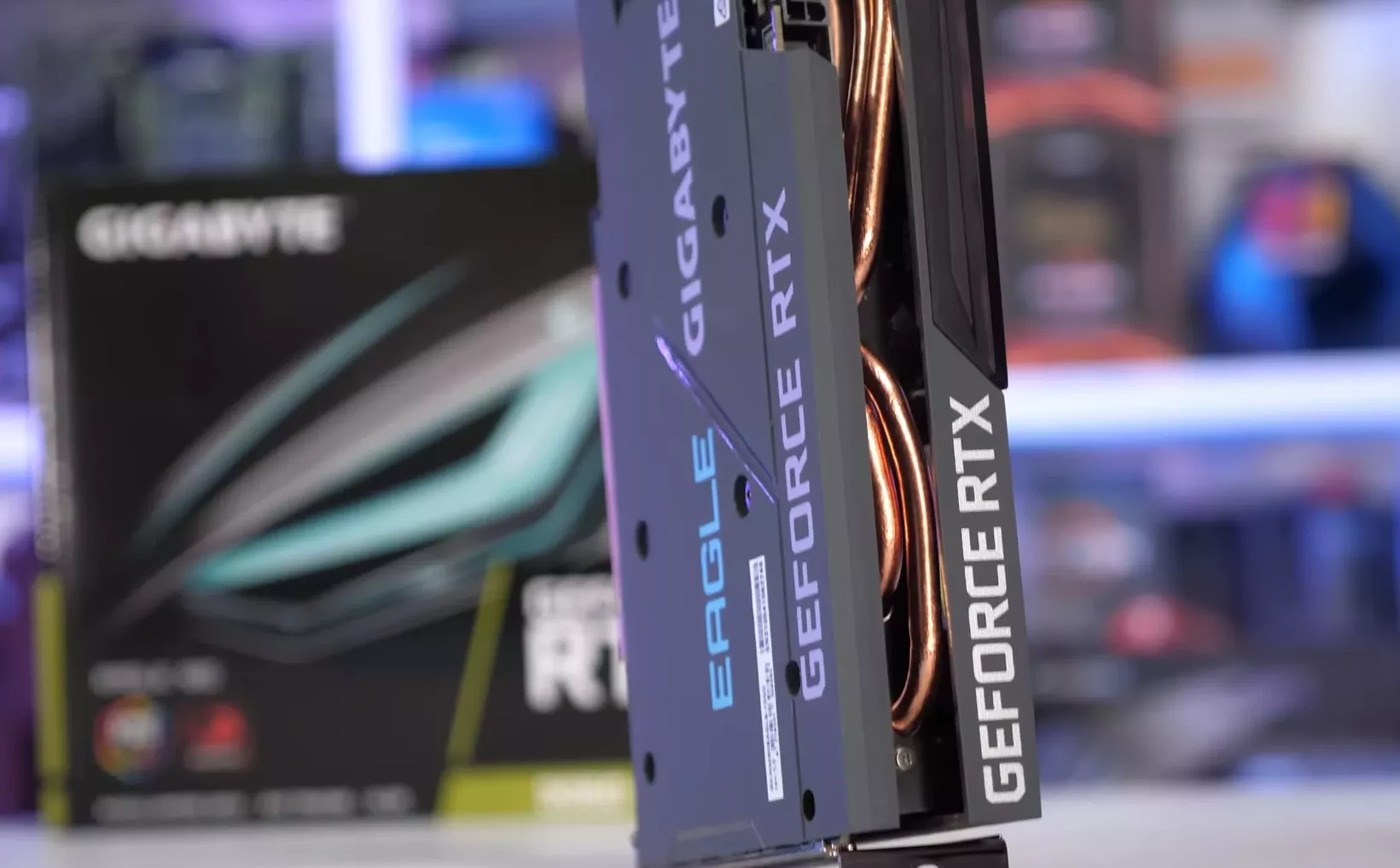
SEATTLE — Valve is mounting a long-term technical campaign to challenge Microsoft’s near-monopoly on PC gaming by expanding its Linux-based SteamOS operating system across more hardware architectures and graphics platforms. The company’s effort builds on the footprint established by the Steam Deck, which uses a custom AMD processor.
SteamOS has developed a dedicated following among handheld gaming enthusiasts, but desktop adoption remains limited by the hardware preferences of the wider gaming market. Nvidia graphics processing units (GPUs) power approximately 73% of consumer systems on Steam, according to the latest Steam Hardware Survey. Valve currently recommends SteamOS only for computers with AMD graphics hardware, leaving nearly three-quarters of potential users outside that recommendation.
Pierre-Loup Griffais, a prominent hardware and software engineer at Valve, recently told IGN that optimizing Nvidia graphics drivers for SteamOS is the company’s top priority. Valve has already begun internal testing by integrating Nvidia drivers into the main SteamOS development tree. Experimental builds can display graphics on several generations of Nvidia GPUs, although Griffais said gaming performance still trails the highly optimized experience on AMD hardware and that developers are seeing daily improvements.


Nvidia has historically favored proprietary, closed-source drivers, a model that has often conflicted with the Linux kernel’s open-source philosophy and complicated integration with third-party operating systems. AMD’s open-source driver stack is deeply integrated into Linux, while Nvidia’s approach has historically produced performance bottlenecks, display issues, and configuration difficulties for Linux users. The development process for closing that gap is expected to take years.
Valve is also preparing for the industry’s shift toward Arm-based silicon. Arm dominates the smartphone and tablet sectors and is moving rapidly into PCs. Apple’s migration of its Mac lineup to proprietary Arm-based M-series chips, beginning in 2020, demonstrated that Arm processors could provide high-performance computing with significantly lower power consumption than traditional x86 processors from Intel and AMD.
The company’s initial entry into the Arm ecosystem is the recently released Steam Frame virtual reality headset. Its Arm-based Qualcomm Snapdragon system-on-chip (SoC) runs x86-based PC games through FEX, a compatibility layer that translates instructions written for traditional PC processors into commands Arm chips can execute in real time. Valve is also using Lepton to run Android applications on an Arm-optimized version of SteamOS.
Griffais compared the current development of FEX with the slow, iterative process of making Nvidia drivers work smoothly on Linux. A robust Arm-compatible version of SteamOS would extend PC gaming to lightweight tablets, smartphones, thin-and-light Arm laptops, and specialized handheld devices from boutique manufacturers such as Ayn.
Microsoft, the Redmond, Washington-based software giant, is promoting Windows on Arm for consumer laptops and mini-PCs built around Qualcomm Snapdragon processors. It is also collaborating on systems powered by Nvidia’s upcoming RTX Spark SoC, using proprietary translation layers so legacy Windows games can run efficiently on the new architecture.
Valve previously addressed many game compatibility problems through Proton, a compatibility layer introduced in 2018 that translates Windows DirectX graphics commands into the open-source Vulkan API. Proton allows thousands of single-player Windows games to run seamlessly on Linux, but it cannot easily bypass security blocks created by kernel-level anti-cheat software.
Modern multiplayer games, including Grand Theft Auto Online and various Call of Duty titles, use deeply integrated security systems to detect cheating. Because those systems are designed specifically for the security architecture of the Windows kernel, they often prevent games from running on Linux entirely. Anti-cheat providers have recently begun offering native support for Windows on Arm and Nvidia’s upcoming RTX Spark platform, while SteamOS continues to struggle with compatibility for several of the industry’s most lucrative multiplayer franchises. Resolving these software and security conflicts remains as critical to SteamOS’s mainstream viability as supporting Nvidia’s graphics chips and Arm’s power-efficient processors.








