
Valve Puts Half-Life: Alyx on Its $1,299 Standalone Steam Frame
Valve brings Half-Life: Alyx to a high-end standalone VR headset
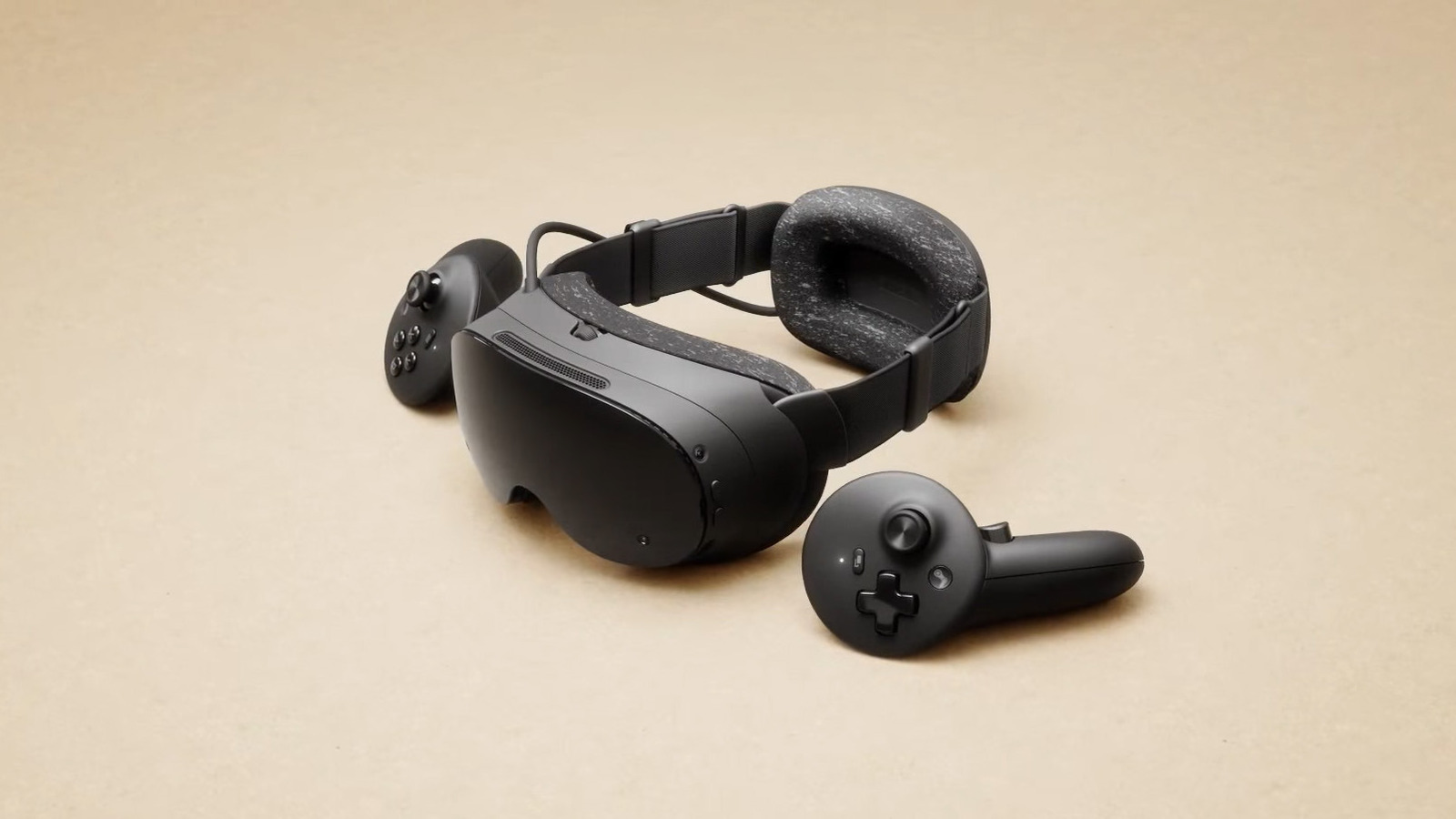
Valve’s Steam Frame will launch in two storage configurations: the 256GB model is priced at $1,059, while the 1TB version will cost $1,299. Both include the system’s controllers and a digital voucher for the rebuilt edition of *Half-Life: Alyx*. Buyers can redeem the voucher by logging into the headset and navigating to the settings menu.
The headset is powered by an internal 21.6Wh battery. A high-power USB-C charger can power the device, while Valve will sell an official power supply unit separately for $29.
Valve is jumping into the standalone virtual reality market with the Steam Frame, a high-end headset designed to run sophisticated VR titles natively without the aid of a gaming PC. It is positioned between mainstream consumer headsets such as Meta’s Quest series and ultra-high-end enterprise devices.


At launch, Valve will offer an Accessory Replacement Kit for $49, containing one face gasket, one head cushion, and one light blocker. The $59 Ergonomic Accessories Kit includes two controller hand straps, two controller hand strap battery doors, one headset top strap, and one extended light blocker.
The device’s standalone library had expanded to 130 “Verified” titles ahead of public shipping. Its unified dashboard will support “Gamepad mode,” allowing players to experience traditional 2D flat-screen games inside the virtual environment.
Valve’s move marks a change from the PC-tethered Valve Index released in 2019 to a self-contained device. The Bellevue-based company has successfully ported its flagship 2020 title, *Half-Life: Alyx*, to run entirely on the headset itself.
When *Half-Life: Alyx* launched in 2020, it was regarded as a benchmark for PC-based virtual reality. The game required a robust desktop graphics card and a wired connection to a headset, and Valve engineers initially doubted it could be adapted for a standalone mobile processor without compromising its complex physics and high-fidelity assets.
Eye tracking and foveated rendering provided the breakthrough. The technology tracks where a user is looking and concentrates rendering resources on that specific spot while lowering the resolution of the user’s peripheral vision. Valve called the combination a “silver bullet” that allowed the development team to preserve the game’s original assets and gameplay mechanics intact.
More than a year of specialized software engineering went into Vulkan graphics drivers and the SteamVR runtime environment. Vulkan is an open-standard, low-overhead graphics API that Valve has long championed across its Linux-based SteamOS platforms. Valve notes that the driver-level improvements will also boost performance for other standalone titles running on the Steam Frame.
The company also implemented software updates during the device’s closed review period, including improvements to visual sharpness, depth projection, input focus, and multi-link streaming capabilities.
Valve is partnering with third-party manufacturers to expand the headset’s utility. Zenni Optical will offer custom prescription lenses for the device, while Arcturus is developing an integrated RGB camera. Pricing and release dates for those add-ons have not yet been finalized.
Prospective buyers must register for their preferred storage capacity model before September 17 at 10 a.m. PT. After the registration window closes, Valve will run a one-time randomized draw to establish the purchase order.
The queue-based reservation system is intended to manage inventory and prevent the scalping problems that have historically affected high-demand hardware launches. Valve previously used a reservation model to distribute the Steam Deck handheld console in 2021 and 2022, while its 2015 “Steam Machine” initiative faced retail complications.
On September 17, applicants will receive an email saying whether they secured a place on the initial reservation list or were placed on the waitlist. Anyone who signs up after the deadline will be placed at the end of the waitlist.
Valve plans to send the first batch of finalized purchase emails on September 18. Transactions will be completed sequentially as manufacturing output allows, with waitlisted customers being notified as subsequent hardware batches become available.