

The ‘AI PC’ Brand Fades as Microsoft and Qualcomm Drop Copilot+ Label from Surface Devices
The AI PC category launched with fanfare in 2024, but consumer demand never matched the marketing push — now the branding is gone.
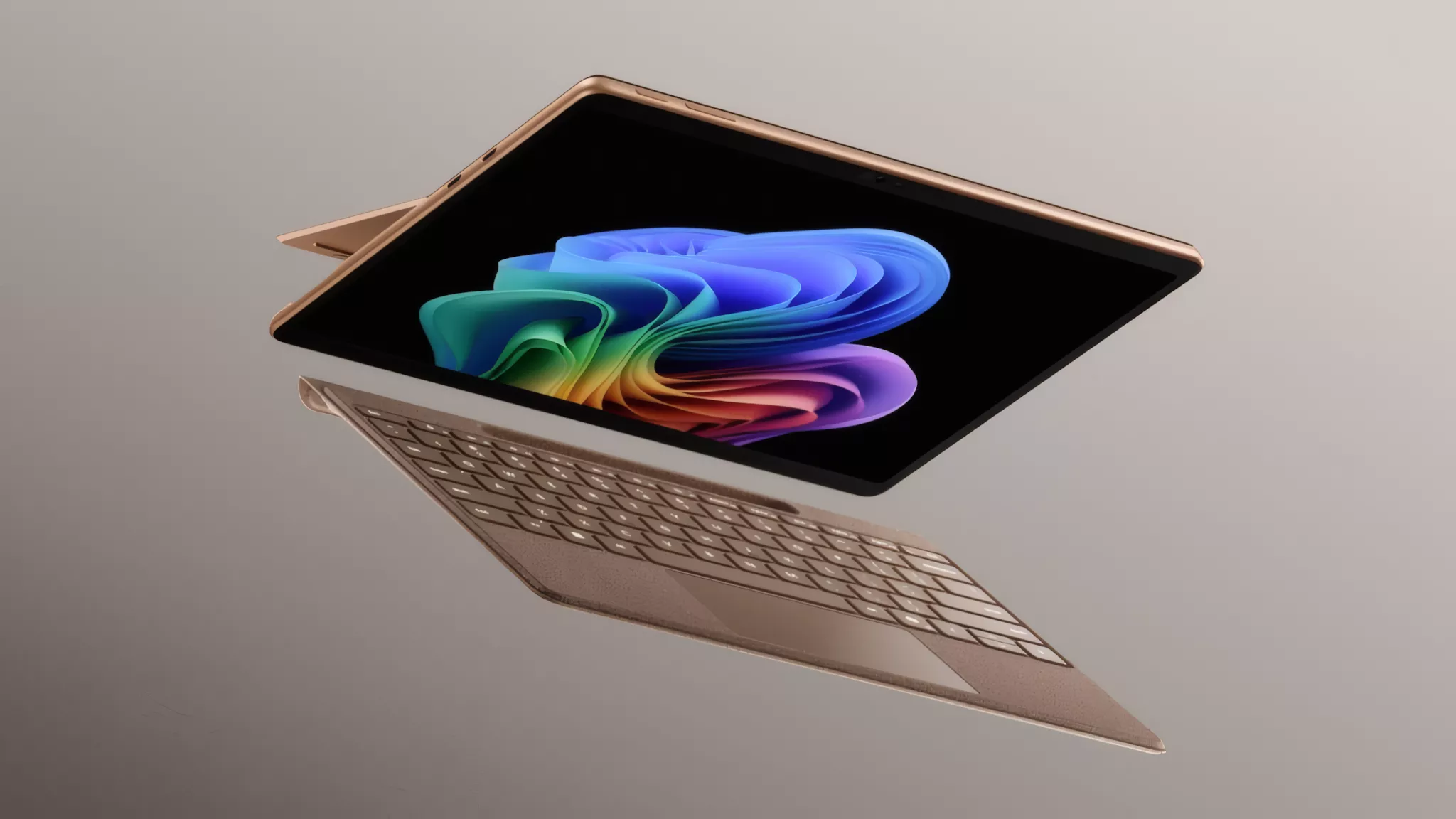
When Microsoft and Qualcomm introduced the Copilot+ PC category in 2024, the two companies pitched it as the defining shift in personal computing — machines powerful enough to run AI workloads locally, equipped with at least 16GB of RAM and neural processing units capable of 40 trillion operations per second. The branding was their answer to Intel’s competing “AI PC” push, and the PC industry rallied behind the concept. AMD even rebranded its mobile processors with “AI” in the name, eager to ride the wave.
Two years later, that wave has receded. At the Snapdragon 2026 Summit, both Microsoft and Qualcomm acknowledged they are no longer applying the Copilot+ designation to new devices, including the latest Microsoft Surface lineup. Brett Ostrum, corporate vice president of the Surface division, confirmed to Windows Central that while the underlying AI capabilities remain intact, the branding has been retired. Kedar Kondap, Qualcomm’s senior vice president of compute, corroborated that the companies continue to deliver the same AI experiences — they have simply stopped calling them Copilot+ PCs.
The retreat mirrors a broader cooling in how hardware makers talk about artificial intelligence. The premise behind AI PC branding was that consumers would seek out devices specifically designed for on-device AI tasks. Market data told a different story. Buyers were purchasing new laptops and Arm-based PCs because they needed replacements or wanted newer platforms — the AI credentials were incidental, not decisive. The gap between marketing ambition and consumer motivation proved significant enough to force a strategic reassessment.


Dell offered one of the clearest signals of this shift in January when it revived the XPS brand after shelving it roughly a year earlier, a move widely read as an acknowledgment that AI framing alone failed to justify a premium. Meanwhile, Microsoft’s newest Surface laptops include configurations with just 8GB of RAM, a specification that falls well short of the original Copilot+ threshold and underscores how the category’s defining technical requirements have been quietly relaxed.
The underlying hardware race, however, has not stopped. NPUs have become standard components across the Windows ecosystem, even as the marketing language around them has softened. What remains unresolved is the question of whether consumers will ever pay a premium specifically for local AI processing — or whether AI will continue to be a feature bundled into devices rather than a reason to buy them.
Adding another layer of complexity, a global shortage of memory driven by AI data-center demand has constrained the supply of components needed for consumer devices. That shortage is one reason Microsoft is reportedly preparing to introduce high-end Surface laptops developed in partnership with Nvidia as early as next month. Nvidia’s involvement signals a pivot toward discrete GPUs — the company’s traditional domain — for handling AI workloads, rather than relying on the integrated NPUs that were central to the Copilot+ vision.
The departure from Copilot+ branding does not mean Microsoft is abandoning its AI strategy. The Copilot assistant remains a core part of the Windows experience, and the company continues to integrate generative AI features across its software ecosystem. What has changed is the willingness to put the AI label front and center on a product box — a tacit admission that for now, the technology has not earned its own product category.
The coming months will test whether AI-native hardware can find its footing without a unifying brand. If Nvidia-powered Surface devices succeed, they may point toward a different model of on-device AI — one built around discrete graphics rather than efficiency-focused neural chips.









