Why Wall Street’s Top CEOs Are Studying a TV Soccer Coach
Dimon warns entrenched managers act like autocrats, while Chevron's CEO focuses on listening before deciding.
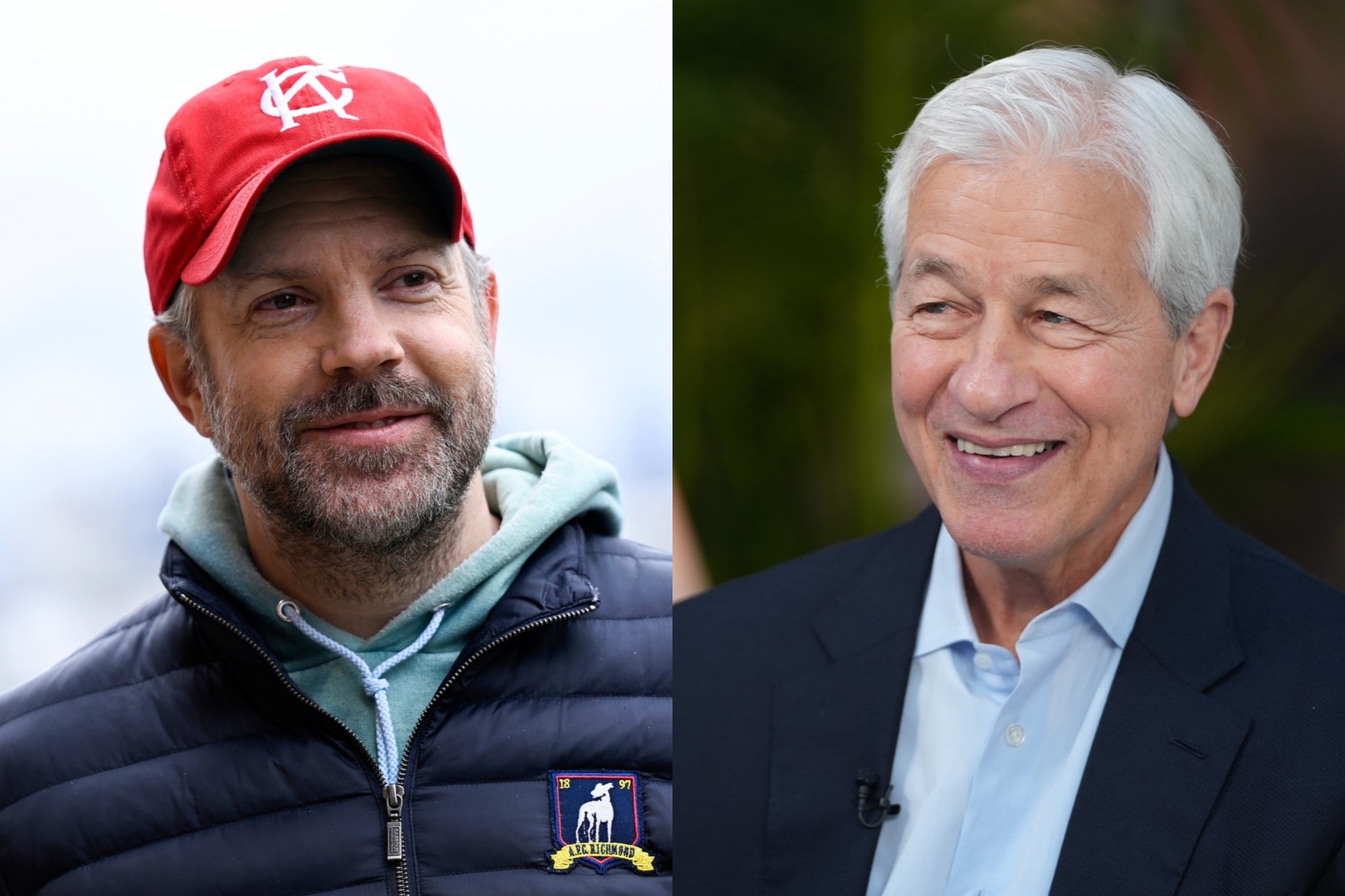
Corporate bureaucracy is costing America’s largest companies their competitive edge, and the executives running them know it. JPMorgan Chase CEO Jamie Dimon recently pointed to an unexpected diagnostic tool for identifying exactly how internal politics strangle performance: a fictional English soccer team.
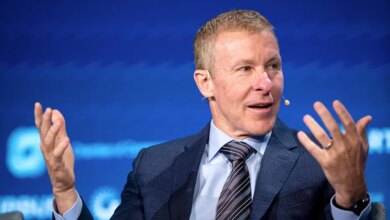
Speaking to The Wall Street Journal, the 70-year-old banking chief drew a direct line between the plot of Apple TV’s “Ted Lasso” and the structural rot he sees inside unnamed “terrible companies.” The core issue isn’t a lack of capital or intellectual property. It is entrenched middle management.
“Most of these companies have huge capabilities, IP, and great people. But a lot of big companies are political and bureaucratic,” Dimon told the WSJ. He identified a specific class of corporate actors who actively resist reform. “Some of the bad people want to keep it that way, like autocrats, they want to keep things suppressed because they benefit from it.”


For shareholders and employees at Fortune 500 firms, Dimon’s comments highlight a persistent vulnerability in American corporate governance. Turnarounds typically require firing a sitting chief executive and bringing in outside leadership to dismantle toxic cultures after years of compounding damage. Dimon noted that rooting out those responsible is exceptionally difficult because “these bullshitters have been doing it for 25 years, and they’re usually pretty good at it. It’s hard to notice in real time.”
The television series, now in its fourth season and starring Jason Sudeikis and Hannah Waddingham, follows an American football coach hired to manage AFC Richmond despite knowing nothing about soccer. Dimon focused on how the character navigates locker room dysfunction by confronting insecurities and bad behavior directly rather than managing around them.
Chevron CEO Mike Wirth extracted a different operational lesson from the show, one tied to decision-making at the energy giant ranked No. 21 on the Fortune 500. Wirth told the WSJ that executives frequently fall into the trap of assuming they already know the root cause of a problem or what a customer wants before gathering facts.
“The best leaders I’ve worked with do something different. They ask questions. They listen. They seek to understand before they decide,” Wirth said. He credited conversations with workers in refinery control rooms, drilling sites, and trading floors for shaping his approach at Chevron.
Bruce Avolio, a management professor at the University of Washington, mapped the show’s narrative arc to established organizational psychology. In a university Q&A, Avolio described the protagonist’s method as delaying judgment to allow subject-matter experts to step forward. “He transmits genuine humility, which allows others who know more to step in and contribute to the collective potential,” Avolio said.
Avolio argued this model prioritizes stewardship over short-term metrics, building structures that function independently of any single leader. Dimon has reportedly hung a version of the show’s iconic “Believe” sign inside JPMorgan’s offices.