Chevron Moves CFO to Operations in Key Leadership Shift
Finance veteran Eimear Bonner takes over core assets as Chevron seeks higher returns on capital post-Hess integration
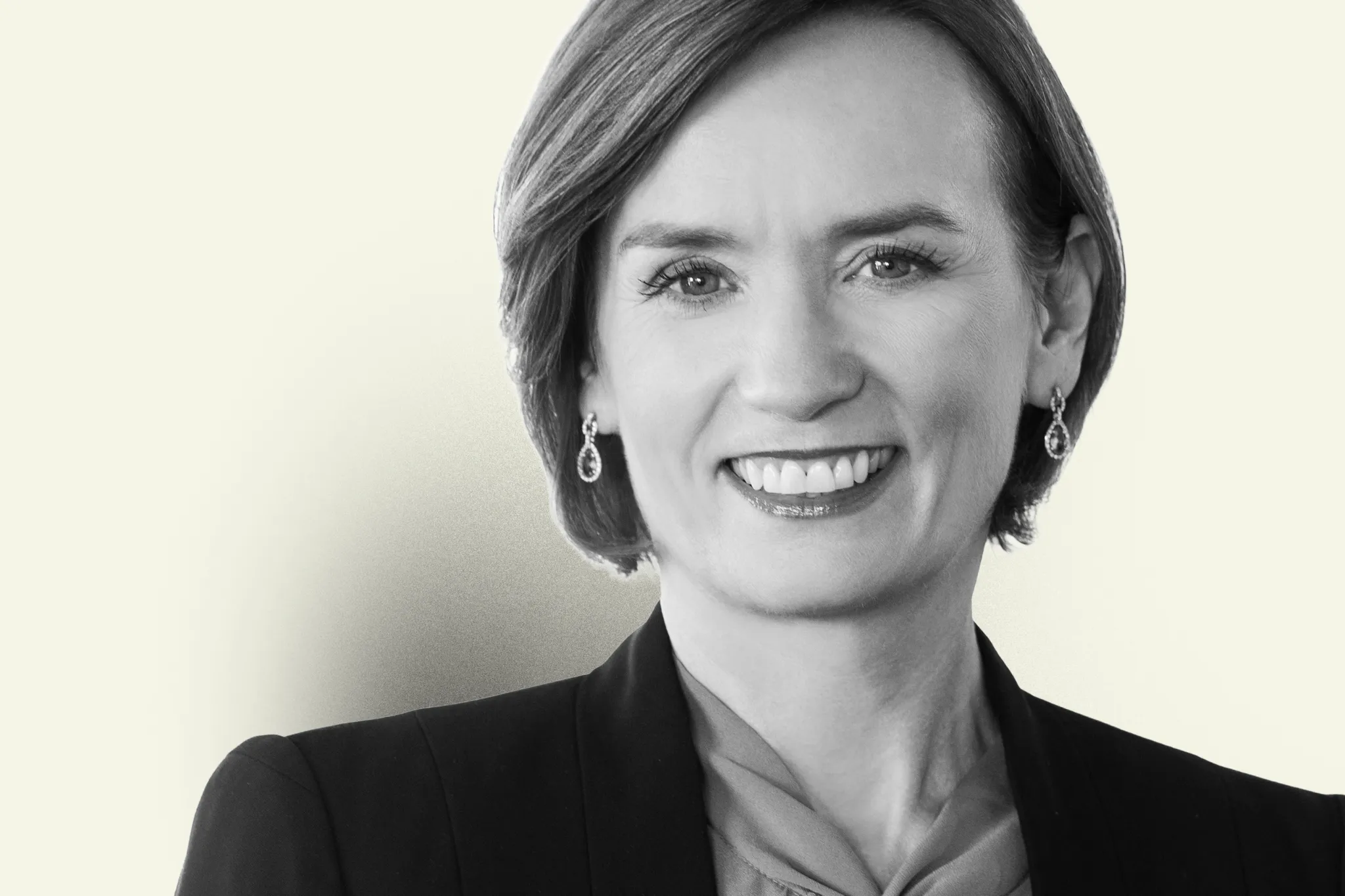
Chevron has appointed Chief Financial Officer Eimear Bonner as president of oil, products and gas effective Jan. 1, placing a finance leader with deep engineering roots directly in charge of the supermajor’s core revenue-generating assets. Jeff Gustavson, currently president of new energies, will succeed Bonner as CFO, completing a leadership exchange that signals the company’s intent to integrate capital discipline more tightly with upstream execution.
The move positions Bonner at the operational helm during a critical phase for Chevron. Following the completion of its $55 billion acquisition of Hess Corp., the company is focused on converting expanded production capacity into sustained free cash flow and higher returns on capital employed. Her mandate includes overseeing safe operations, capital allocation across the value chain, and asset-class optimization—responsibilities that require balancing long-cycle project investment against near-term shareholder return targets.
Bonner’s career path distinguishes her from traditional operating presidents. She joined Chevron in 1998 as an offshore petroleum engineer in the U.K. North Sea and spent two decades in technical and strategy roles before becoming the company’s first female chief technology officer in 2021. She transitioned to CFO only three years ago, making her upcoming operating role part of a rare cross-functional progression that spans subsurface engineering, digital transformation, corporate finance, and now P&L management.


Executive search experts view this specific rotation as increasingly relevant for CEO development in capital-intensive industries. Scott W. Simmons, co-managing partner at Crist Kolder Associates, noted that combining technology and finance experience provides future leaders with granular insight into both cost structures and enterprise-wide value drivers. While Chevron stated it maintains a robust succession planning process overseen by its board, the company declined to comment on whether Bonner or Gustavson are being groomed to succeed Chairman and CEO Mike Wirth, who has led the firm since 2018.
Gustavson brings complementary experience to the CFO office. As president of new energies, he managed Chevron’s lower-carbon portfolio, including hydrogen, renewable fuels, and carbon capture initiatives. His background aligns with the company’s ongoing effort to allocate capital between legacy hydrocarbon assets and emerging energy systems amid volatile commodity prices and evolving regulatory expectations. His appointment ensures continuity in financial oversight as Chevron navigates post-merger integration and a structural shift in global borrowing costs.
The leadership change coincides with Chevron’s push to improve capital efficiency. In the second quarter, the company reported $12.1 billion in earnings and a 21% return on capital employed, supported by record U.S. output and a 20% year-over-year increase in worldwide production. Analysts at Morningstar have emphasized that sustaining these metrics through 2030 will depend on margin expansion, cost reductions, and disciplined reinvestment rather than volume growth alone.
Bonner’s dual perspective as former CTO and CFO may prove decisive in evaluating which operational improvements yield durable returns. Her tenure as technology chief coincided with Chevron’s accelerated deployment of AI-driven drilling analytics and predictive maintenance systems aimed at lowering lifting costs. Applying that technical lens to capital budgeting could help prioritize projects with measurable productivity gains over those dependent solely on commodity price upside.
Chevron’s restructuring reflects a broader industry recognition that scale alone no longer guarantees superior returns. With long-term borrowing costs rising due to fiscal deficits, AI infrastructure demand, and inflation volatility, integrated majors face heightened pressure to justify every dollar of capital expenditure. The company’s decision to place a financially trained operator in charge of its core business suggests a strategic bet that tighter alignment between balance sheet management and field-level execution is essential to maintaining competitiveness.