Subaru Doubles Down on Boxer Refinement While Pivoting to EVs
New vibration-canceling mechanism points to smoother flat-fours before EV switch
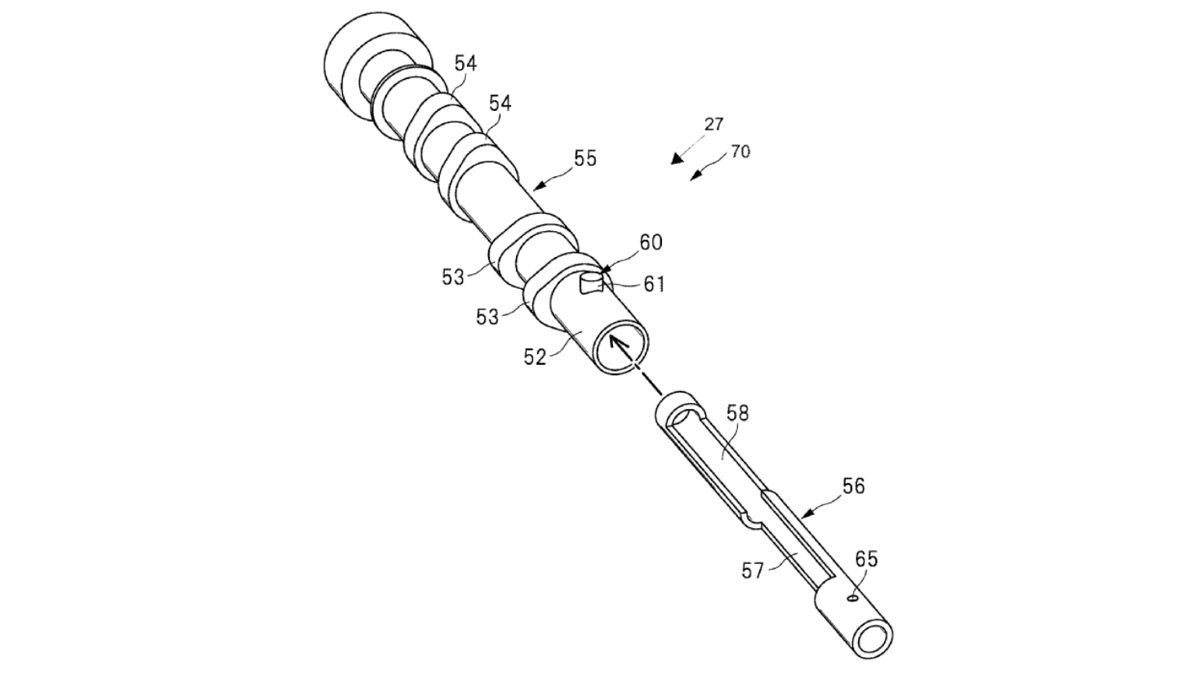
Subaru has filed a patent for a hollow camshaft containing a spring-loaded weighted shaft that locks at low rpm and floats free at high rpm, a mechanical trick designed to cancel the inherent imbalance of cam lobes without the mass penalty of traditional counterweights. Eight Subaru engineers are listed on the U.S. Patent and Trademark Office filing, which illustrates the system on the company’s signature flat-four but notes the concept applies to other layouts.
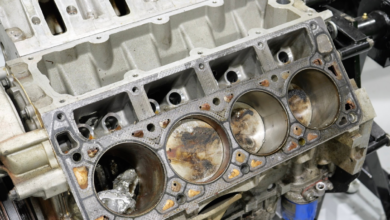
The mechanism addresses a long-standing trait of the boxer architecture: while opposing pistons cancel each other’s primary forces, the camshafts still generate a rocking couple that transmits vibration into the cabin. Subaru’s solution adds roughly the complexity of a ballpoint-pen clicker — a pin engages a groove in the inner shaft below a calibrated speed threshold, then centrifugal force pulls the pin free, letting the weight spin independently and raising the assembly’s natural frequency above the engine’s operating range.
https://nile1.com/wp-content/uploads/2026/10/new-generation-subaru-boxer-engine.jpg


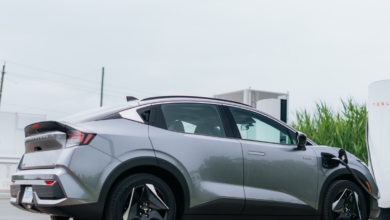
The filing arrives as Subaru navigates an awkward transition. The automaker has committed to launching its first dedicated EV platform in 2026, yet simultaneously invests in turbine range-extender patents and now this camshaft refinement — signals that internal combustion, specifically the boxer, remains central to its product plan for at least another product cycle. Toyota, Subaru’s 20% stakeholder and hybrid partner, has taken a parallel path, recently unveiling new 1.5- and 2.0-liter four-cylinders optimized for hybrid duty rather than outright replacement.
For buyers, the patent hints at a near-term future where the next Crosstrek or Forester retains the boxer’s low-center-of-gravity handling but sheds the low-rpm shudder that has characterized the engine since the EA82 era. No production timeline accompanies the filing; patents frequently precede implementation by years, if they reach production at all. But the specificity of the design — right down to the pin-and-groove release mechanism — suggests bench testing is already underway.
Subaru declined to comment on product applications. The company’s 2024 technical review, however, allocated 40% of powertrain R&D budget to “ICE efficiency and NVH improvements” — a figure that has barely budged despite the EV push.