Insurance Inflation Cools to 1%, but Gen Z and Coastal Cities Pay More
Coastal metros and Gen Z consumers still face steep premium hikes despite a sharp national slowdown in insurance inflation.
Household insurance costs across the United States barely rose this year, breaking a multi-year streak of double-digit spikes that strained family budgets. But the relief is unevenly distributed, leaving younger consumers and residents of major coastal metros still absorbing heavy financial hits.
Median payments for auto, homeowners and renters insurance climbed just 1% year over year in 2026, according to an October 19 report from the Bank of America Institute. That marks a sharp deceleration from the 6% increase recorded in 2025 and the roughly 12% jump in 2024.
The national cooldown masks severe geographic fractures. Major California metropolitan areas, along with Boston and New York, continued to experience sizable increases. Florida moved in the opposite direction, recording some of the steepest declines nationally—a shift the Institute attributed to recent state-level insurance reforms and consumer rebates. Much of the Sun Belt also saw smaller increases or outright price drops.


Age is proving just as decisive as geography. Gen Z insurance payments increased nearly 6%, far outpacing the national median and highlighting how younger demographics remain exposed to pricing pressures even as broader inflation moderates.
The data arrives as corporate America reshuffles its financial leadership to navigate these shifting cost structures. Mattel, Inc. (Nasdaq: MAT) appointed Peter Griffith as CFO effective Oct. 20, succeeding Paul Ruh, who will serve in an advisory role through the end of the year. Griffith joins from Amgen, where he served as EVP and CFO after a two-decade run as a partner at EY overseeing corporate development, tax, and treasury functions.
CRISPR Therapeutics (Nasdaq: CRSP) promoted A.J. Silver to CFO effective Oct. 19, replacing Raju Prasad, who is stepping down to pursue external opportunities. Silver has been with the gene-editing company since October 2018 and previously spent more than 10 years at Ernst & Young LLP.
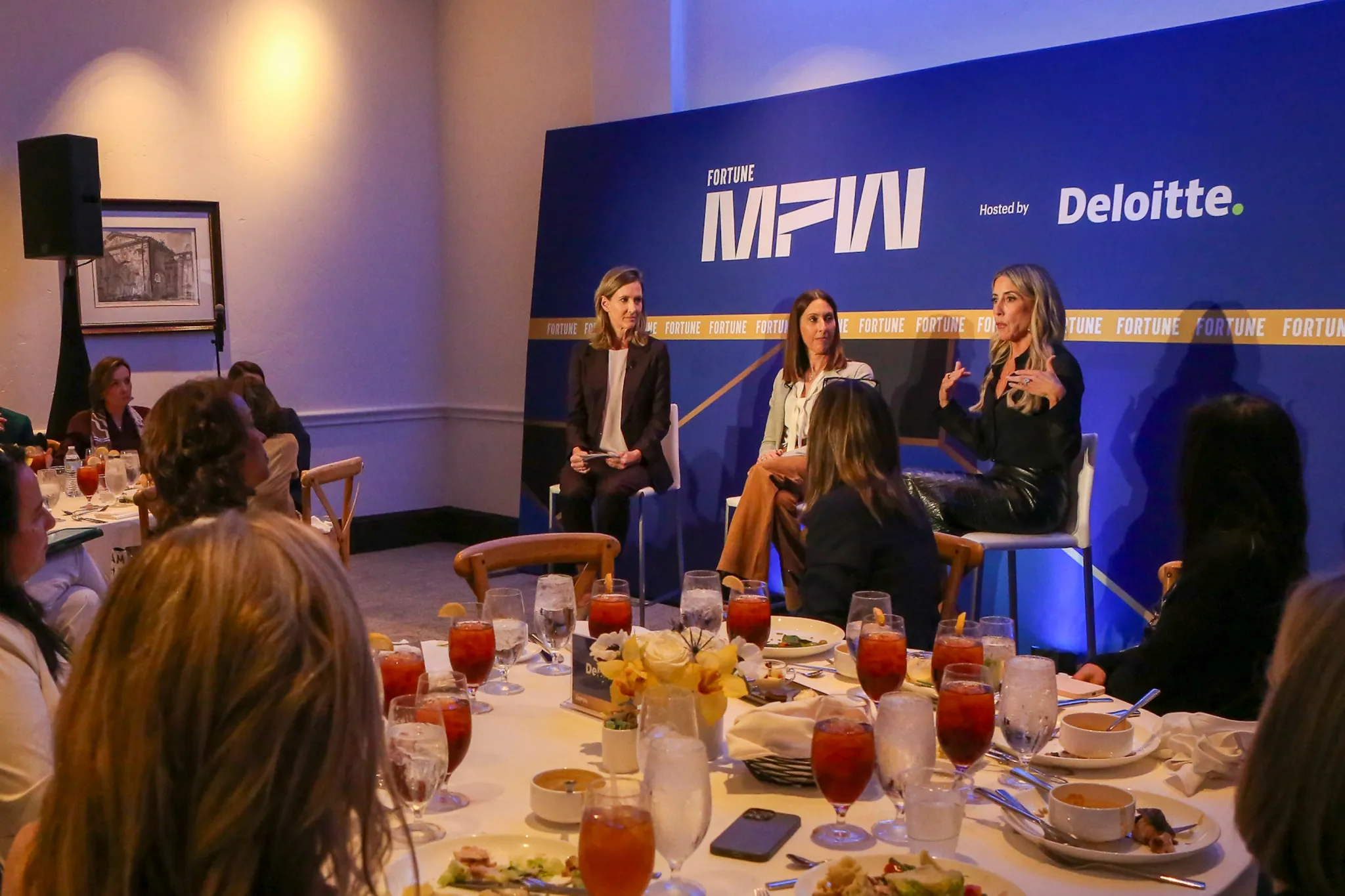
At the executive level, the physical toll of managing such volatility is drawing scrutiny. ServiceNow president and CFO Gina Mastantuono warned during a panel at the Fortune Most Powerful Women Summit that corporate culture still rewards dangerous habits.
“There’s always been this idea that if you have to work 14-hour days and get four hours of sleep, that shows you’re working the hardest and deserve the most,” Mastantuono said. “That is such a terrible example for the people around us.”
She spoke alongside Olympic champion Janet Evans, now chief athlete officer for the LA28 organizing committee, and Alicia Hatch, Deloitte’s U.S. sports chief commercial officer. Hatch noted that 94% of female C-suite executives played sports growing up, arguing that athletics function as a simulator for making high-stakes decisions under pressure.
Evans pointed to LA28’s own pivot as a case study. When Paris emerged as the likely winner for the 2024 Games after LA28 chairman Casey Wasserman approached her in 2015, the team shifted focus entirely to securing 2028 rather than abandoning the bid.
That commercial momentum is accelerating. Deloitte projected earlier this year that global revenues from women’s sports would reach at least $3 billion in 2026, a 340% increase over four years, with soccer and basketball each accounting for 35% of the total.
In the technology sector, Meta is executing a different kind of pivot. A Fortune article by Molly A. Wallace examines how Mark Zuckerberg’s $100 billion-plus AI bet is designed to build a full-stack ecosystem—from custom chips to personal AI agents—rooted in lessons learned from the company’s prolonged platform battles with Apple.
Mehran Gul, author of “The New Geography of Innovation” and a former World Economic Forum official, assessed the gamble in a Fortune opinion piece. “If the upsides from AI are speculative, so are the downsides—and if the model works, it could reshape the AI market much as venture capital changed the risk calculus for starting a business,” Gul wrote.