Nvidia’s $180B CEO Breaks From Tech Elite on California Tax Fight
While peers spend millions fighting Proposition 40, the Nvidia chief says he will accept an estimated $8 billion tax bill to stay in Silicon Valley.
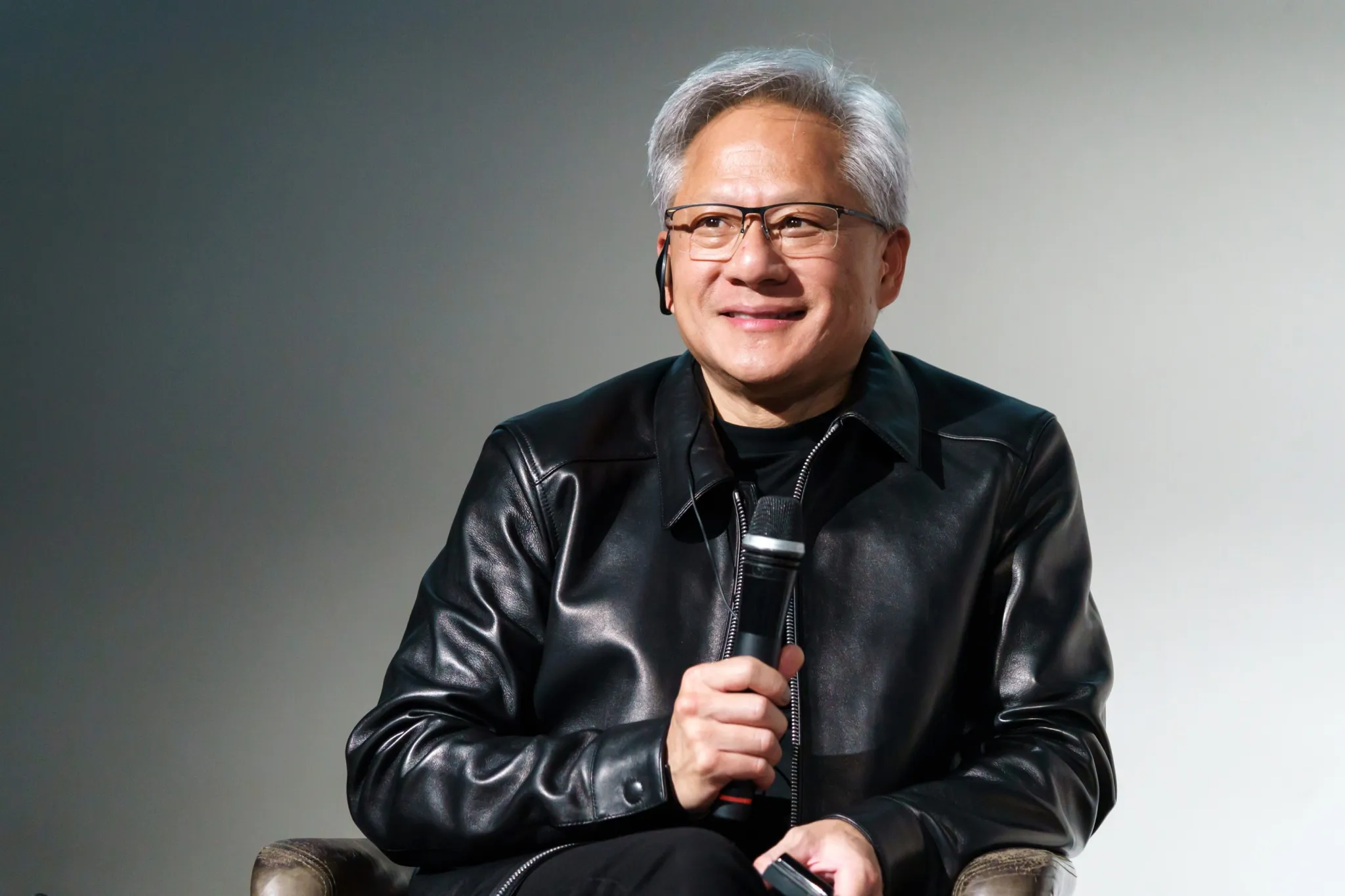
A coordinated $340 million campaign by Silicon Valley’s wealthiest executives to block a proposed California wealth tax has exposed a sharp fracture within the technology sector, with Nvidia CEO Jensen Huang publicly refusing to join the effort.
Huang, whose net worth stands at roughly $180 billion, told CBS Sunday Morning he does not oppose Proposition 40, a ballot measure that would impose a one-time 5% tax on California residents holding more than $1 billion in assets. The stance isolates him from peers who have spent months and millions trying to kill the initiative before its Jan. 1, 2026 residency cutoff.
The political spending tells the story of the divide. According to The Guardian, tech billionaires opposing the measure are burning through more than $1 million daily. Their goal is to protect personal balance sheets from a levy state officials project will generate tens of billions of dollars over several years to fund healthcare and education programs.


Rather than fight the assessment, Huang framed his liability—estimated at $8 billion over five years—as a consequence of operating in an ecosystem that built his company. “I don’t mind paying taxes. The more you make, the more taxes you pay. I’m okay with that,” he said during the CBS interview.
His position carries weight beyond rhetoric. While Google cofounders Larry Page and Sergey Brin relocated business entities to Florida and Nevada, and former Uber CEO Travis Kalanick changed his address to Austin, Texas, Nvidia kept its headquarters in Santa Clara. Palantir’s Peter Thiel and Meta’s Mark Zuckerberg also departed for lower-tax jurisdictions ahead of the deadline.
Huang urged others to stay. Speaking at the Stanford Graduate School of Business earlier this year, he told the audience to “Move to California, don’t leave,” acknowledging the state holds the highest taxes in the world but arguing the concentration of engineering talent justifies the cost.
Proposition 40 traces its legislative roots to March, when Congressman Ro Khanna (D-CA) and Senator Bernie Sanders (D-VT) introduced the companion federal proposal known as the Make Billionaires Pay Their Fair Share Act. The state-level measure targets ultra-high-net-worth individuals directly, bypassing corporate structures that often shield founders from income tax liabilities.
Fortune reached out to Nvidia for comment.
Huang draws a hard line at automation. While he accepts personal wealth taxation, he rejected proposals to levy taxes directly on industrial robots or AI tokens—a concept championed by Microsoft cofounder Bill Gates, who argued that exempting machines from payroll taxes incentivizes companies to replace human workers with software. Huang told Fox Business’s The Claman Countdown earlier this year that his “remedies will be a little different” regarding how emerging technologies should be taxed, even as he maintained that productive individuals should contribute back to the economy.