EU Plans Direct Subsea Cable to Greenland, 10-to-1 Icebreaker Gap
Brussels targets undersea cable defense and port integration while refusing Arctic fossil fuel extraction
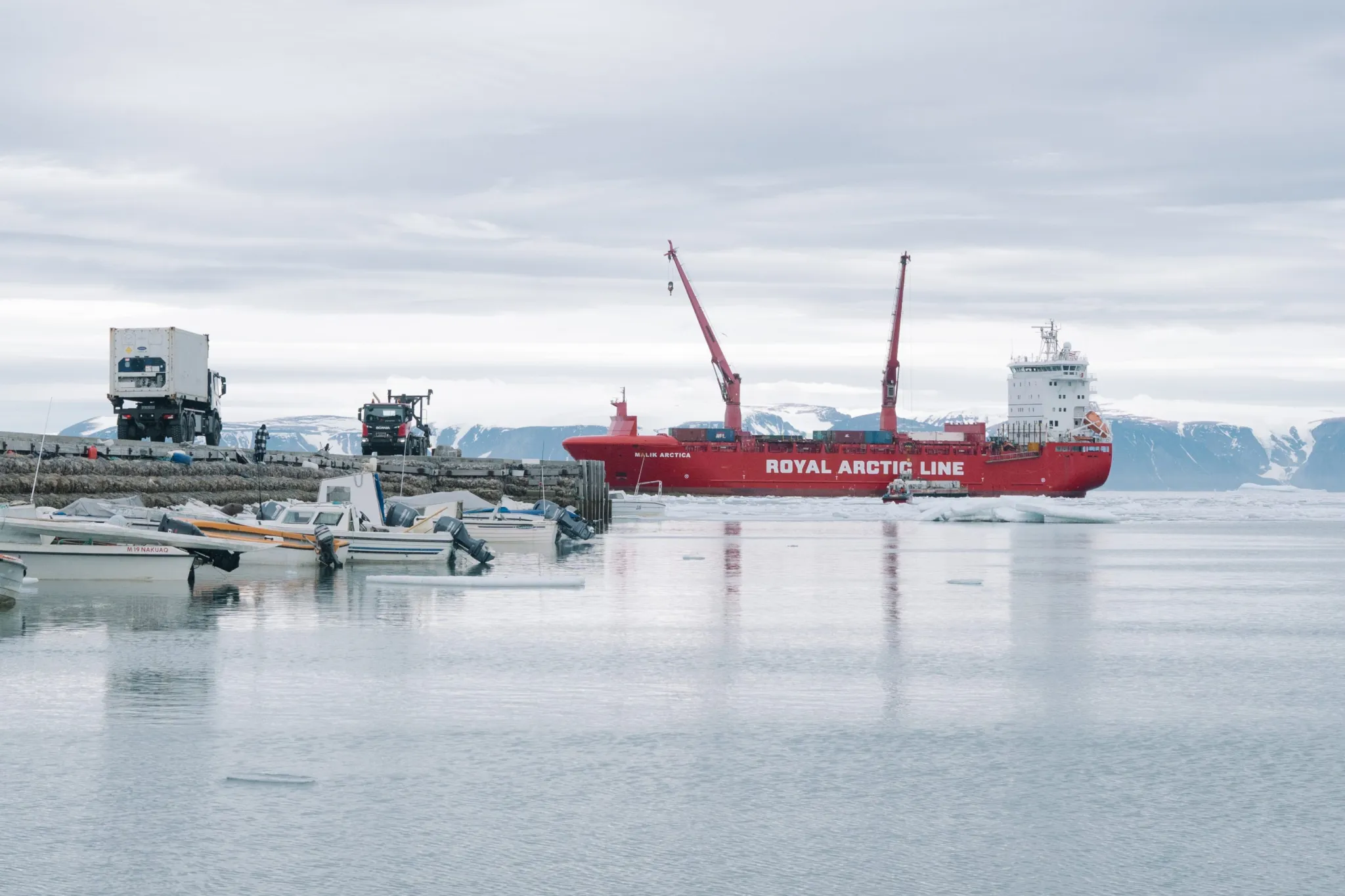
Europe operates roughly 10 icebreakers. Russia commands about 40. That numerical deficit sits at the center of a new European Commission strategy released Tuesday, detailing how the 27-nation bloc intends to build physical and digital infrastructure across the Arctic without extracting fossil fuels.
The most concrete deliverable is a sovereign submarine cable linking Greenland directly to EU networks. The European Commission outlined the project in its new strategy document as a response to mounting security risks to undersea communications. To protect that infrastructure and existing lines, Brussels plans to establish a dedicated cable center in the North Atlantic equipped with cameras, sensors and satellites, according to the announcement.
This monitoring operation will feed into a broader Maritime Security Hub. The hub’s mandate extends beyond cables to tracking Russia’s shadow fleet — aging vessels used to transport sanctioned oil and finance the war in Ukraine — while also policing illegal fishing and coordinating search and rescue operations.


European Commission President Ursula von der Leyen framed the pivot as a necessity driven by eroding norms. “When we see that sovereignty, territorial integrity and the rules that have underpinned stability in the region can no longer be taken for granted, we have to act and change our strategic posture,” she said.
That instability has multiple sources. U.S. President Donald Trump previously threatened to take control of Greenland, a self-governing Danish territory, and posted a map overlaying the American flag on both Greenland and Iceland, Reuters reported. Simultaneously, the Arctic is warming approximately four times faster than the global average, opening new shipping lanes that China is already utilizing for increased trade.
Rather than competing for energy dominance, the EU strategy explicitly rejects Arctic oil and gas drilling. The bloc refuses to purchase fossil fuels extracted in the region, including from partner nation Norway. Instead, the focus remains on integrating Arctic ports, rail connections, energy terminals and satellite networks with European markets to improve dual-use civilian and military transport corridors.
More than half a million EU citizens live in the Arctic. Denmark, Finland and Sweden hold full membership in the bloc, while Iceland and Norway participate in Europe’s single market. The Commission stated it intends to coordinate these infrastructure and security efforts closely with Canada and the United Kingdom.