Rivals Force Spotify’s Hand on AI Music as $2.4M Drains Away
Deezer, Tidal and Bandcamp are implementing hard blocks on synthetic audio while Spotify relies on disclosure labels and a 1,000-stream payout threshold.
Deezer, Tidal and Bandcamp are quietly cornering the market for listeners who refuse to stream machine-generated audio, leaving Spotify scrambling to patch a platform it simultaneously flooded with artificial intelligence tools.
The financial damage is already measurable. A July report found that the 10 most-streamed AI artists on Spotify generated roughly $2.4 million in royalties. That money bypassed human musicians entirely. Accounts widely suspected of being synthetic — including Sienna Rose, The Velvet Sundown and Breaking Rust, which topped a Billboard digital downloads chart last year — now command between 100,000 and 700,000 monthly listeners each, according to platform data.
Competitors moved faster. Deezer announced this month it will roll out a user-controlled filter to block generative AI audio completely by the end of the year. Bandcamp largely prohibits AI uploads outright. Tidal refuses to pay royalties on fully machine-generated tracks. Spotify, by contrast, only confirmed to the BBC earlier this year that its “priority is addressing harmful uses [of AI] like spam and impersonation, rather than trying to filter music based on how it was made.”


That distinction matters because Spotify is actively manufacturing the supply it claims to be policing. The company recently introduced features allowing users to remix and cover existing songs using generative AI. Restricting the output of those same tools from algorithmic recommendations undermines a product the company just launched.
Spotify’s primary defense against royalty siphoning remains a threshold introduced previously: tracks must hit 1,000 streams before they generate any payout. The company stated that uploads flagged with a high probability of being AI-generated are 10 times more likely to fall below that cutoff. But the threshold does nothing for the synthetic acts that clear it, as the Billboard-charting success of Breaking Rust demonstrates.
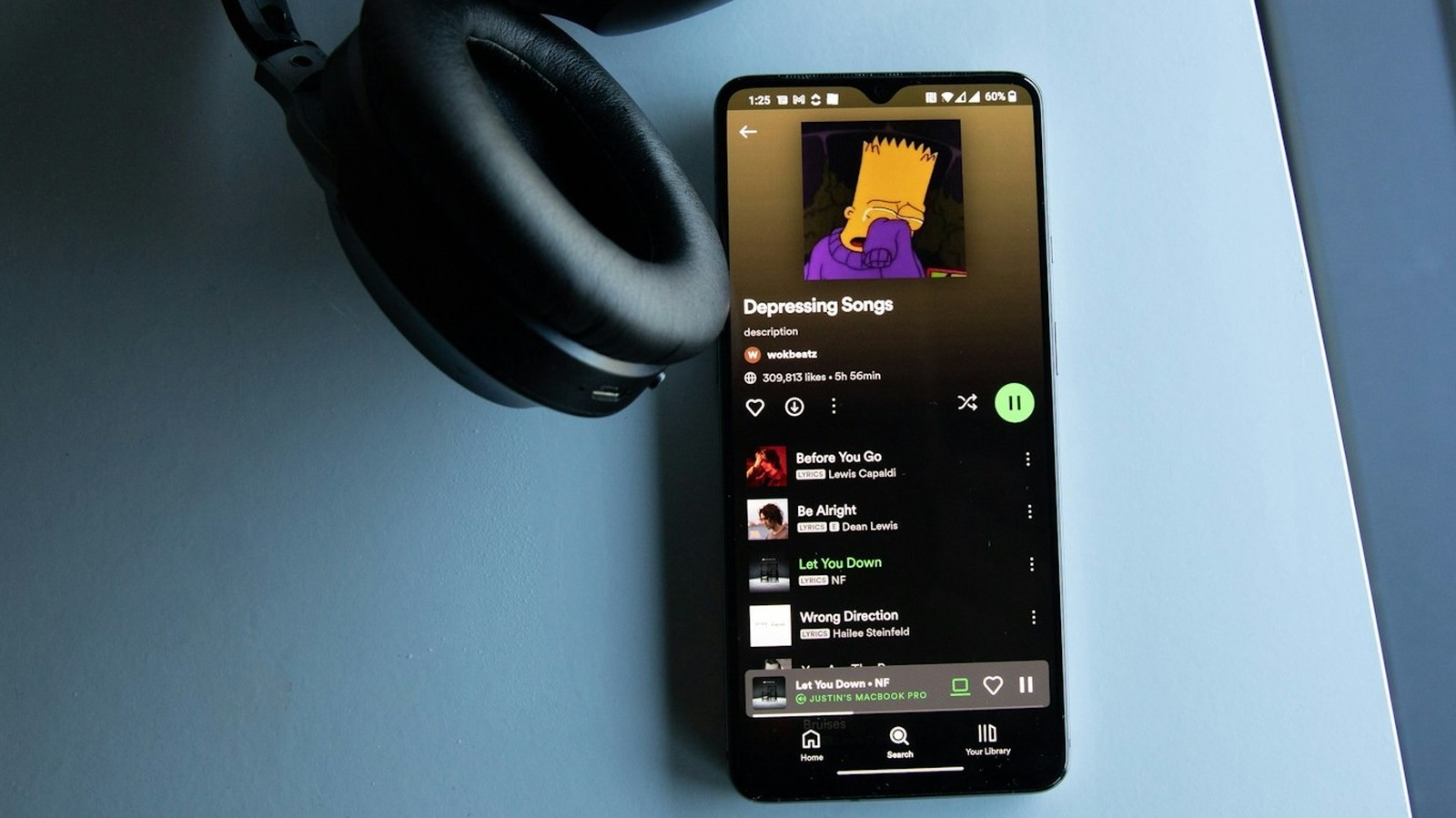
Artists are currently submitting tens of thousands of AI credits daily to disclose how the technology was used in their recordings, according to Spotify. These disclosures appear in the Now Playing view on mobile devices. Thousands of virtual accounts have been tagged with an AI Persona label, removing them from editor-curated playlists and default recommendation algorithms unless a user explicitly follows them.
More than 300,000 human musicians are now verified on the platform, covering over 99 percent of artist searches, Spotify said. The company is expanding a tool that allows musicians to manually approve which songs appear on their profiles, preventing unauthorized or misattributed tracks from cluttering their catalogs. That feature will reach all artists by the end of the year.