California Sues Polymaker Over 3D-Printed Ghost Gun Filament
State prosecutors allege the filament manufacturer hired banned gun influencers and marketed products directly to builders of untraceable weapons.
San Diego County has filed a civil lawsuit against Polymaker LLC, alleging the global 3D-printing filament manufacturer deliberately cultivated California’s underground market for untraceable firearms. The complaint, lodged October 5 in San Diego County Superior Court on behalf of the state, targets the company’s marketing and hiring practices rather than the raw materials themselves.
The legal action marks a significant shift in how California approaches privately made firearms. Previous enforcement efforts focused primarily on individuals assembling ghost guns or the digital blueprints used to print them. By targeting the supply chain—specifically the companies selling the thermoplastic materials required to manufacture weapon components—the state is testing whether existing firearm regulations can be applied to general-purpose manufacturing supplies when those supplies are intentionally directed toward illegal use.
Polymaker, headquartered in China with major operations in the United States, produces polymeric filaments used in fused deposition modeling (FDM) printers. These printers melt plastic wire layer by layer to build physical objects. While standard polylactic acid (PLA) filament lacks the tensile strength to withstand the chamber pressures of firing a bullet, specialized engineering-grade polymers such as nylon blends, polycarbonate, and glass-fiber-reinforced composites can produce functional firearm receivers capable of surviving multiple rounds. The lawsuit centers on how these high-performance materials were promoted.

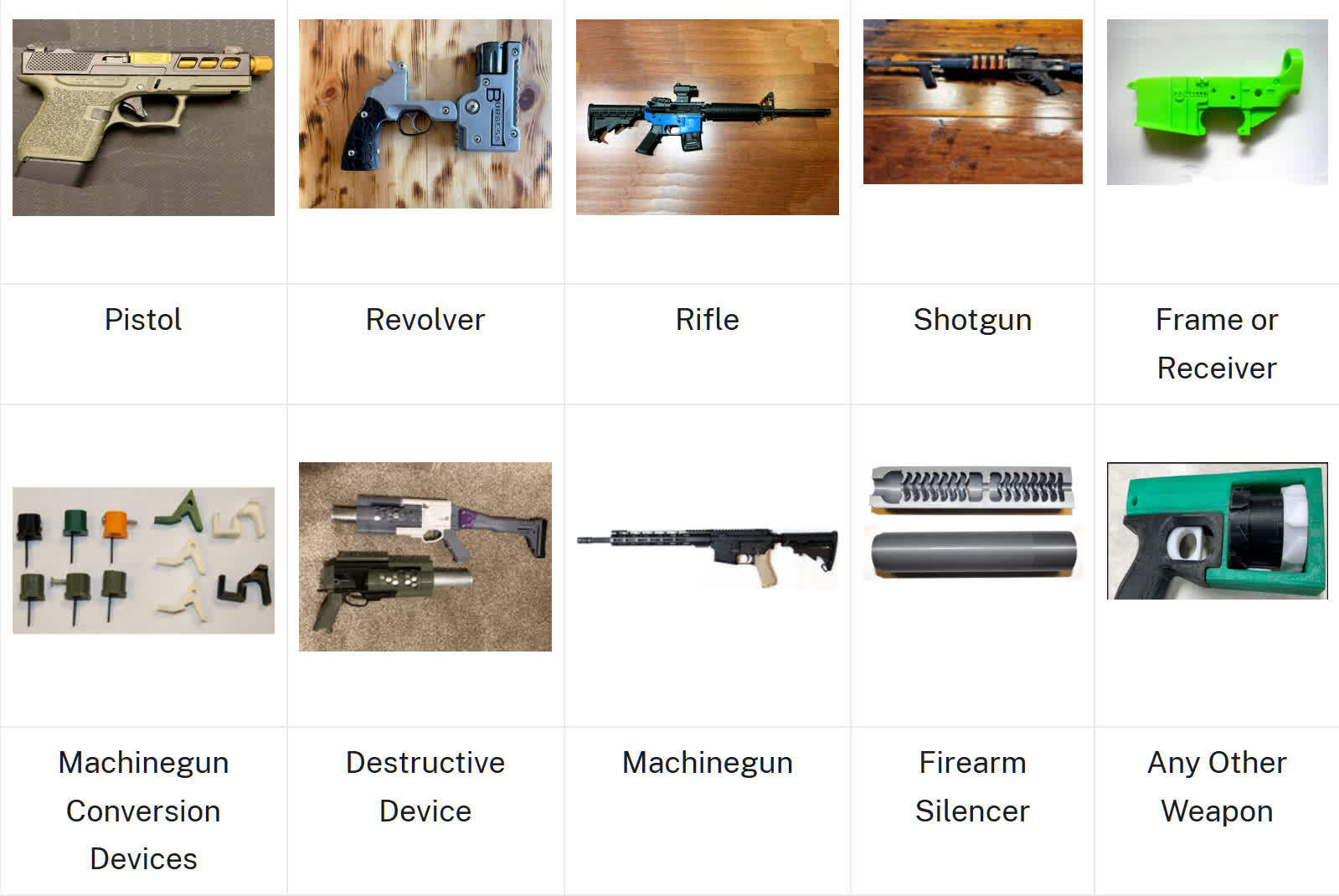
Under California law, a “firearm precursor part” includes any item marketed or sold to the public with the intent that it become the frame or receiver of a functional firearm once completed or assembled. The complaint alleges Polymaker crossed the line from selling generic manufacturing supplies into actively monetizing the ghost gun community. Evidence cited includes affiliate payment structures and the development of firearm-themed product lines designed specifically to appeal to users printing weapon frames.
Central to the state’s argument is Polymaker’s employment of Sean Aranda, a prominent figure in the 3D-printed firearms community known online as The 3D Print General. YouTube banned Aranda’s channel in 2023 for violating its firearms policies, which prohibit content intended to facilitate the sale or manufacture of guns. Shortly after the ban, Polymaker hired Aranda as Head of Customer Experience. He currently serves as a Senior Technical Account Manager at the company. The lawsuit characterizes this hiring decision as a calculated move to embed the company within the networks of 3D-printed gun enthusiasts and drive targeted sales.
San Diego County is seeking civil penalties, disgorgement of revenue generated from the alleged unlawful practices, and a court injunction. Prosecutors emphasized the suit does not attempt to ban the sale of 3D-printing filament in California, acknowledging the material’s widespread legitimate uses in prototyping, medical device manufacturing, and consumer goods.
The case arrives amid a fractured national legal landscape regarding unserialized weapons. In August, a federal judge in Texas ruled portions of the Bureau of Alcohol, Tobacco, Firearms and Explosives’ ghost-gun regulations unconstitutional, blocking their enforcement against members of Defense Distributed and the Second Amendment Foundation. That ruling addressed federal jurisdiction over parts kits and digital files. The Polymaker litigation operates entirely under California state statutes, meaning the Texas decision carries no direct weight over the San Diego proceedings.
State lawmakers have simultaneously pursued technological interventions. Assembly Bill 2047, signed into law by Governor Gavin Newsom in September following amendments, requires 3D printers sold in California to include software capable of identifying and blocking firearm designs before a print job begins. However, enforcement of AB 2047 is contingent upon the publication of a formal industry standard for detecting weapon geometries—a benchmark that has not yet been established by standards organizations. Unlike the Polymaker lawsuit, which scrutinizes corporate marketing behavior, AB 2047 places compliance burdens directly on hardware manufacturers and machine operators.
The Bureau of Alcohol, Tobacco, Firearms and Explosives reported seizing more than 58,000 privately made firearms nationwide between 2017 and 2023, a surge driven largely by advances in desktop manufacturing technology. Law enforcement agencies across Southern California have increasingly recovered polymer-framed handguns lacking serial numbers at crime scenes, complicating traditional ballistics tracing methods.
Polymaker has not yet filed a formal response to the San Diego County Superior Court complaint.