ChatGPT Hits 1 Billion Users as Data Center Protests Surge
Nearly half of U.S. adults now use chatbots even as local governments block the infrastructure required to run them.
ChatGPT crossed one billion monthly active users in June, cementing generative artificial intelligence as the fastest-adopted consumer technology in history. The milestone arrived roughly three and a half years after OpenAI launched the chatbot, eclipsing the previous adoption record held by Google Maps, which required about five years to reach the same threshold.
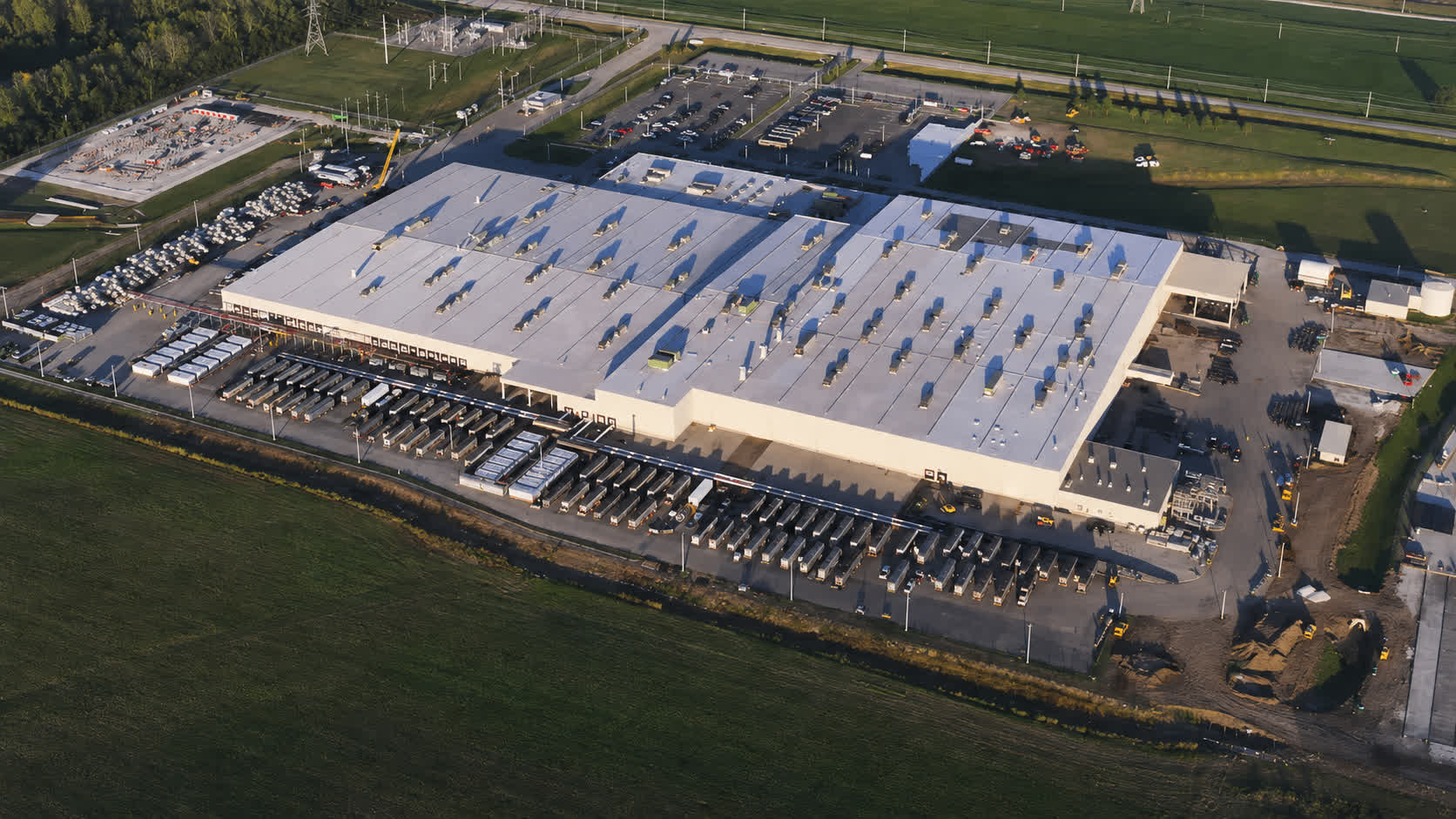
That surge in usage is colliding directly with an expanding national backlash against the physical infrastructure required to sustain it. Across the United States, municipal zoning boards and county commissions have become battlegrounds where residents block data center construction over noise pollution, water consumption, grid strain, and potential health effects from high-voltage equipment. Developers have attempted to secure approvals by offering host communities discounted broadband, direct cash payments, and promises of local investment. In numerous jurisdictions, those incentives have failed to overcome organized opposition.
Cyrus Beschloss, chief executive of Verb, flagged this friction during CNBC’s Trading the Midterms event. Verb operates a U.S. data marketplace where individuals set minimum prices to sell access to their personal information for AI training and corporate analytics. The platform currently serves approximately 25,000 users, a figure Beschloss projects will reach one million within a year.


Beschloss argued that vocal opponents of data center expansion are frequently the same consumers relying on AI-driven applications daily. He suggested that forcing the public to choose between dismantling server infrastructure and losing access to tools like ChatGPT would expose deep contradictions in how Americans approach the technology.
Consumer surveys support the existence of that divide. Research published alongside ChatGPT’s one-billion-user milestone found that 49 percent of U.S. adults now use chatbots, up from 33 percent two years prior. Roughly one in four respondents reported daily engagement with these tools. Simultaneously, polling consistently indicates that Americans who expect AI to negatively impact society significantly outnumber those anticipating positive outcomes. Concerns range from widespread labor displacement to existential risk.
The tension reflects a structural reality of modern cloud computing. Unlike traditional web hosting, training and running large language models demand massive parallel processing power, typically supplied by clusters of advanced GPUs drawing tens of megawatts per facility. A single hyperscale campus can consume as much electricity as a mid-sized city. This energy profile has strained regional power grids, prompting utilities in areas such as Northern Virginia, Georgia, and Texas to accelerate transmission upgrades and delay retirement timelines for older fossil-fuel plants.
Tech giants have responded by diversifying their power strategies. Microsoft, Amazon, and Google have signed long-term agreements to purchase nuclear energy, including investments in small modular reactor developers, while simultaneously funding renewable capacity. These efforts aim to satisfy corporate net-zero emissions pledges without throttling compute expansion.
Federal policy adds another layer of complexity. The Department of Energy has prioritized grid modernization to accommodate rising electrical loads from both AI infrastructure and broader electrification trends, though permitting reform remains stalled in Congress. Local moratoriums on new data centers continue to multiply even as federal agencies emphasize the strategic importance of domestic compute capacity for economic competitiveness and national security.
Verb’s growth trajectory tracks with a broader shift in how training data is sourced. As regulatory scrutiny intensifies around scraping copyrighted material and unconsented personal information, platforms facilitating direct, compensated user consent offer enterprises a legally defensible pipeline for model development. The company allows participants to dictate exactly which data points they share and at what price, positioning itself within a nascent compliance-focused segment of the AI supply chain.
OpenAI has not publicly outlined specific infrastructure contingency plans tied to local construction bans, but the industry continues routing capital toward regions with available power capacity and favorable regulatory environments.