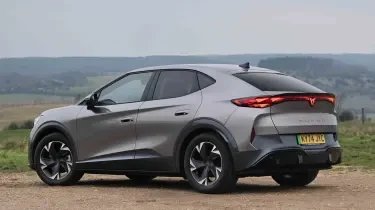

Volkswagen Rebuilds the ID.3 to Win Back Europe’s EV Buyers
A redesigned cabin, 79-kWh battery, and low-cost leasing campaign put Volkswagen’s electric hatchback back in the fight.
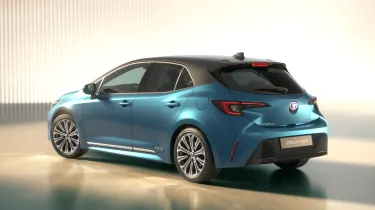
WOLFSBURG, Germany — Volkswagen AG is using the ID.3 Neo and aggressive retail financing to reclaim its position at the forefront of the European electric vehicle market. The heavily redesigned electric hatchback is being introduced as the German automaker faces an increasingly crowded and price-sensitive European EV landscape.
The model remains unavailable in North America, where Volkswagen of America has focused on larger utility vehicles built on the same MEB platform. That regional strategy centers on the ID.4 crossover and the ID. Buzz van.
Volkswagen launched the original ID.3 in 2020 as the flagship vehicle for its dedicated MEB modular electric platform. Severe software glitches, sluggish infotainment responses, and widespread criticism of its cheap interior cabin materials damaged the car’s reception and contributed to a broader leadership shakeup.
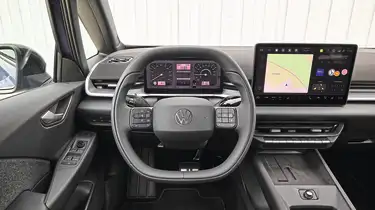
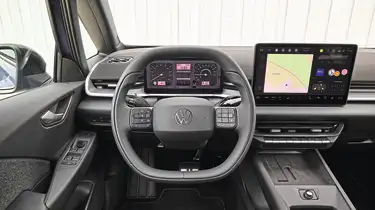
Thomas Schäfer became CEO of the Volkswagen passenger cars brand in 2022 and publicly committed to addressing those deficiencies. He promised a return to the premium fit and finish that historically defined the brand. The newly introduced ID.3 Neo serves as the realization of that promise, correcting the ergonomic and technical errors of its predecessor.
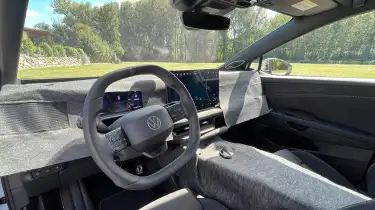
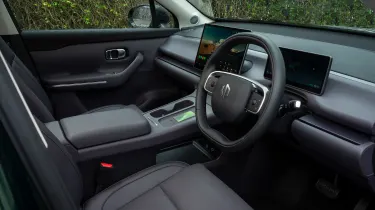
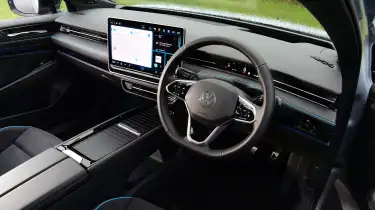
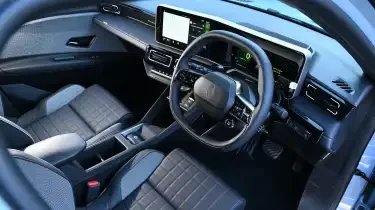
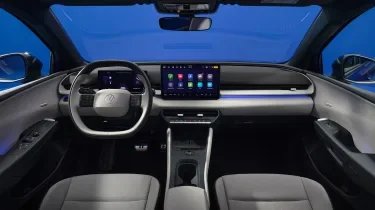
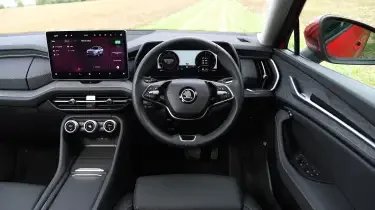
The revised cabin replaces the previous touch-sensitive slider controls, which were widely criticized for being difficult to operate in the dark. A new dashboard layout uses higher-quality, soft-touch materials, while physical buttons have been reintroduced to improve tactile feedback and driver safety.
Even the entry-level “Life” trim includes 18-inch diamond-cut alloy wheels, a 10-color customizable ambient lighting system, wireless compatibility for both Apple CarPlay and Android Auto, wireless smartphone charging, and keyless entry and start functionality.
Demand is also being supported by leasing campaigns launched by Volkswagen and its partner networks in major European markets. The efforts come as high interest rates and cooling global EV adoption weigh on the market. In the United Kingdom, leasing brokers are offering the high-capacity battery version through platforms such as Carwow Leasey.
The promotional lease rate starts at £265.77 per month after an initial 12-month payment of £3,484.24. The arrangement limits annual driving to 5,000 miles and includes a 20 percent charging discount across the Gridserve national charging network.
The ID.3 Neo featured in these market campaigns uses a 79-kilowatt-hour (kWh) usable capacity lithium-ion battery pack. Under the European Worldwide Harmonized Light Vehicles Test Procedure (WLTP), it delivers an estimated range of 390 miles on a single charge.
Power reaches the rear wheels through a 231-horsepower electric motor, which can propel the compact hatchback from 0 to 62 mph (100 km/h) in 7.1 seconds. The technical specifications reflect Volkswagen’s matured EV architecture, while the vehicle’s equipment and revised controls address shortcomings associated with the original model.
The ID.3 Neo is a pivotal volume model for Volkswagen in Europe and select Asian markets. In the United States, the locally manufactured ID.4 is built at Volkswagen’s assembly plant in Chattanooga, Tennessee, allowing it to qualify for federal tax incentives under the U.S. Inflation Reduction Act. Those incentives would not apply to the imported, smaller ID.3.
By resolving the software bottlenecks that marred its early electric offerings and pairing the upgraded product with aggressive retail leasing terms, Volkswagen aims to solidify its market share against low-cost competitors from China and persistent volume pressure from Tesla’s Model 3 and Model Y.