
GAC Takes the Aion V to Europe With a Softer Ride and Simpler Buying Plan
GAC Reworks the Aion V for European Roads
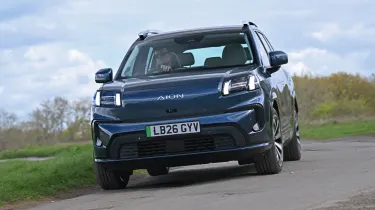
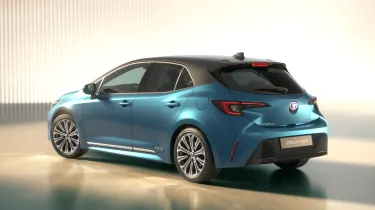
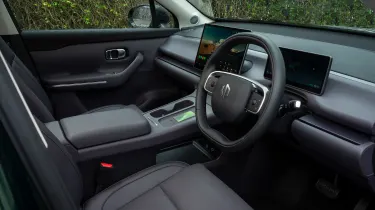
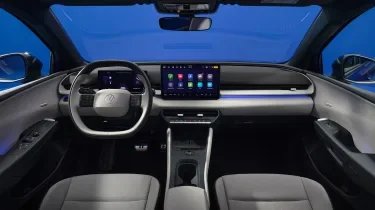
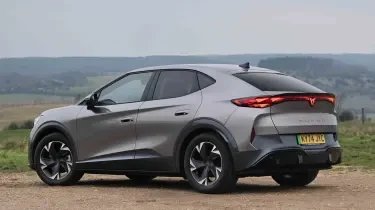
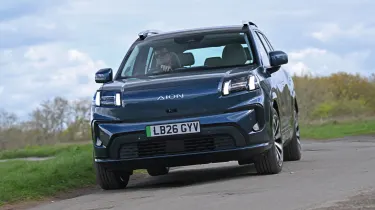
GUANGZHOU, China — Guangzhou Automobile Group Co. (GAC), one of China’s largest state-owned automakers, is preparing to launch its high-volume electric vehicle brand, Aion, across Western Europe and the United Kingdom. Its first major export effort centers on the Aion V, a mid-sized electric SUV developed with GAC’s technical partnership with Toyota Motor Corporation.
The Aion V uses GAC’s proprietary AEP 3.0 platform, an architecture created specifically for battery-electric vehicles. It supports rear-wheel, front-wheel, and all-wheel-drive layouts while maximizing cabin space in relation to the vehicle’s exterior footprint.
AEP 3.0 also supports the Chinese-market Toyota bZ3X electric crossover through GAC Toyota, the long-standing joint venture between GAC and Toyota in China. GAC plans to use the same technical foundation for its second global model, the upcoming Aion UT electric hatchback.
Before its official UK debut, the Aion V underwent chassis and steering revisions for European and British roads. During early evaluation drives in Australia, automotive journalists and test drivers criticized its “crashy” ride, frequent bottoming on the bump stops, under-damped rear suspension, and lifeless steering feedback.
GAC engineers responded by recalibrating the chassis and steering systems. The revised vehicle has a more compliant, easygoing ride intended to absorb urban road imperfections, although the softer suspension can feel wallowy over uneven surfaces and produces noticeable body lean when cornering.
The export version uses a single front-axle-mounted electric motor producing 204 brake horsepower (bhp) and 240 Newton-meters (Nm) of torque. That torque figure is relatively low for an electric vehicle of this size, while the front-wheel-drive SUV delivers linear power suitable for daily driving.
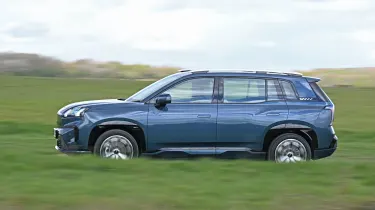
Its 75.3-kilowatt-hour (kWh) battery provides an official driving range of 317 miles. The 1,880-kilogram (4,144-pound) SUV accelerates from 0 to 62 mph in 7.9 seconds, and its electronically limited top speed is 99 mph.
Drivers can choose among Sport, Comfort, and Power Save modes. Sport provides the most immediate accelerator response and a firmer pedal feel. Comfort and Power Save introduce a progressive delay in power delivery, while Power Save also increases regenerative braking force so the vehicle slows more assertively when the driver lifts off the accelerator.
The Aion V comes with standard 19-inch wheels. During high-speed motorway testing, early evaluation vehicles developed a slight but persistent vibration that engineers traced to factory tire pressures above 40 psi. GAC is evaluating larger wheel options for future model years, although the current chassis tuning benefits from smaller wheels and taller tire profiles, which help preserve cabin refinement and reduce road noise.
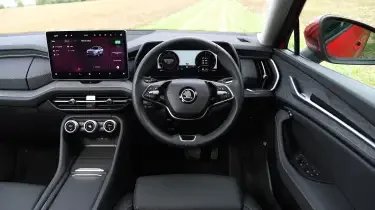
The variable steering system lets drivers change steering weight through the infotainment system. Sport mode produces a weight suited to highway driving, but the steering transmits very little road-surface feedback, and aggressive cornering inputs can readily break traction at the front wheels.
GAC is avoiding a complex selection of optional extras and trim levels by offering the Aion V in one unnamed standard trim. Buyers who want additional standard-equipment upgrades can choose a single “Premium Pack” costing £1,495.
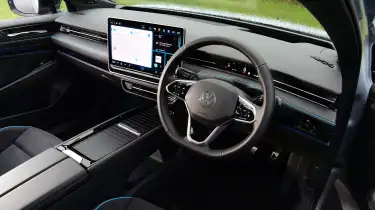
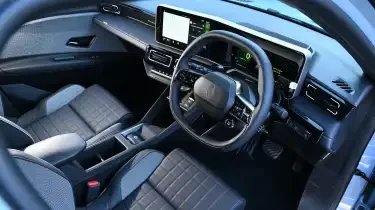
The simplified purchasing and powertrain structure is intended to streamline shipping and port operations, while the trim strategy positions the Aion V as a value-driven alternative to established mid-sized electric SUVs in Europe. It will compete with electric crossovers including the Volkswagen ID.4, Nissan Ariya, and Renault Scenic E-Tech. Aion’s ability to become a credible alternative in Western Europe and the United Kingdom will serve as a key test of GAC’s broader international ambitions.