
BNPL Fees Push Up Prices and Shrink Store Shelves
Higher installment fees are raising retail prices and pressuring grocery margins
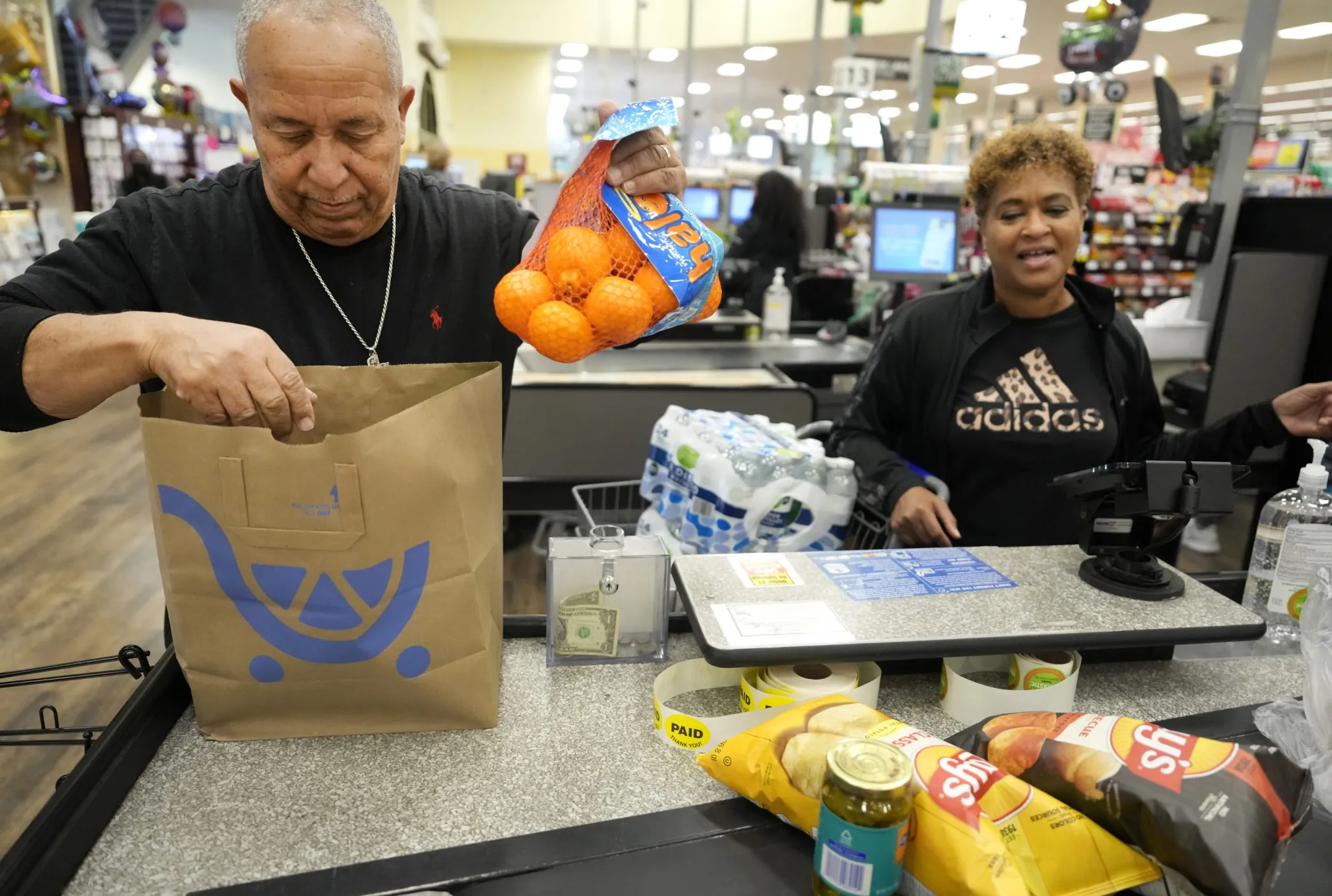
Buy Now, Pay Later (BNPL) loans are increasingly being used for routine purchases. A July LendingTree survey of more than 6,000 U.S. consumers found that 29% of Americans had used BNPL loans to finance grocery purchases, nearly double the 14% adoption rate recorded two years earlier.
The shift is creating a financial squeeze for low-margin merchants, according to new academic research. A forthcoming study in the journal *Management Science*, led by Panos Kouvelis, a professor of supply chain, operations, and technology at the Olin Business School at Washington University in St. Louis, examines how BNPL platforms are reshaping merchant pricing strategies across the United States.
Retailers accepting payment options from Klarna, Affirm, and Afterpay typically pay merchant transaction fees of 2% to 8% per sale. Standard credit card interchange fees generally range from 1.5% to 3.5%.


Nationwide, an estimated 91.5 million Americans use BNPL applications to finance retail transactions. BNPL purchase volume grew 20% from 2021 to 2025, according to data from the Federal Reserve Bank of Richmond. Although BNPL loans currently represent roughly 1% of total U.S. credit card transaction volume, adoption has expanded amid persistent inflation, elevated healthcare expenses, and rising childcare costs.
The study’s economic model shows that retailers frequently respond to the higher fees by raising general retail prices across their entire product catalog. Consumers who pay in full with cash, debit, or traditional credit cards therefore indirectly subsidize transaction costs generated by BNPL users.
These services were initially designed for high-margin discretionary products such as furniture, apparel, and consumer electronics. Gross margins for those items often range from 30% to 50%, allowing merchants to absorb a 6% fee while maintaining net profitability.
The leading providers are non-bank financial technology firms. Stockholm-based Klarna was founded in 2005, while Affirm was established in 2012 by PayPal co-founder Max Levchin. Afterpay was founded in Australia in 2014 and acquired by Block, Inc. in 2022 for $29 billion. The companies lead the sector with “pay-in-4” models that divide purchases into four equal, interest-free payments over six to eight weeks.
Essential categories create a different problem. Food and household staples operate on slim margins, with grocery retailers’ net profit margins historically hovering between 1% and 3%, according to food industry benchmarks from the Food Marketing Institute. Applying BNPL merchant fees to those purchases can eliminate profit margins entirely.
When fees make particular low-margin items unprofitable, the study says retailers face two choices: raise prices across all goods or stop stocking lower-margin items. The latter option restricts product variety for shoppers.
Consumer reliance on short-term installment debt has also raised concerns about borrowers’ overall exposure. BNPL providers historically did not report short-term installment plans to Equifax, Experian, and TransUnion, the three major credit reporting agencies. That practice created an unmonitored layer of consumer debt known as “phantom debt.”
According to Kouvelis, individual borrowers frequently manage between five and 10 active BNPL micro-loans simultaneously without traditional lenders being aware of the exposure. The average outstanding balance per BNPL transaction remains relatively modest at approximately $135, and consumers typically prioritize clearing short-term installment debts first.
Still, 47% of BNPL users reported experiencing a late payment on an installment loan during the preceding 12 months, according to the LendingTree survey. The cumulative debt stack presents financial risks for overextended households.
The rapid migration of installment services into basic consumables has attracted increased regulatory attention. In May 2024, the Consumer Financial Protection Bureau (CFPB) issued an interpretive rule classifying BNPL providers as credit card issuers under Truth in Lending Act (TILA) guidelines and Regulation Z.
The rule requires BNPL platforms to provide legal dispute rights, standard refund processing procedures, and regular billing disclosures comparable to those required for conventional credit cards.