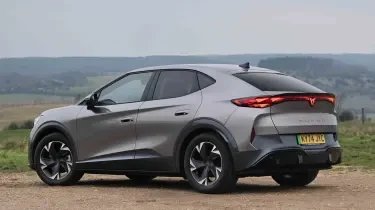

Volkswagen Brings Back Physical Controls for Electric ID. Tiguan
Volkswagen targets better ergonomics and premium materials as it reworks the electric Tiguan
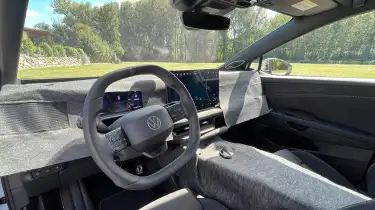
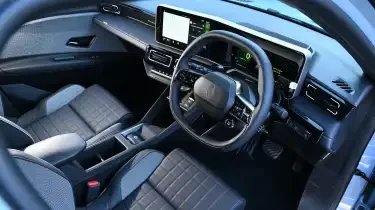
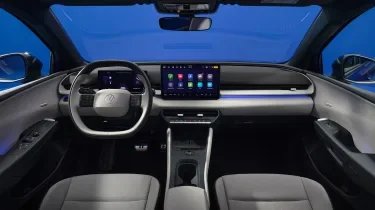
WOLFSBURG, Germany — Volkswagen is using the upcoming electric ID. Tiguan to address years of customer dissatisfaction with its digital interior designs. The model is being developed to pioneer a return to more intuitive, tactile cabins while making use of Volkswagen’s existing Modular Electric Drive Matrix (MEB) platform investments.
The combustion-powered Tiguan has consistently ranked as Volkswagen’s best-selling vehicle globally, overtaking the iconic Golf in annual sales volume. Preserving the Tiguan nameplate for the electric era is therefore highly strategic, and building its electric equivalent at Volkswagen’s primary Wolfsburg plant is critical to the brand’s volume-driven EV targets in Europe and North America.
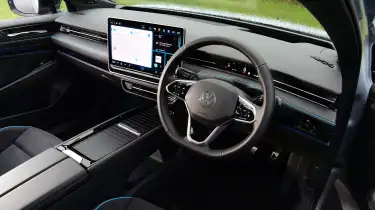
Volkswagen faced widespread criticism from consumers and automotive journalists after the release of the eighth-generation Golf and early models in its ID. electric vehicle family. Those vehicles relied heavily on touch-sensitive sliders and capacitive steering wheel buttons that users found difficult to operate while driving.
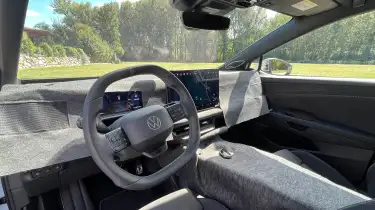
Andreas “Andy” Mindt, who became Volkswagen’s Head of Design in early 2023 after leading design at Bentley, has openly acknowledged that the move to touch-capacitive controls damaged the brand’s standing with its core customer base. “Our satisfaction rating dropped down with the Golf Mk8, big time,” Mindt said, identifying the “swiping things” and “touch sliders” as the primary source of frustration. “So it’s that easy to improve this rating with this little thing.”
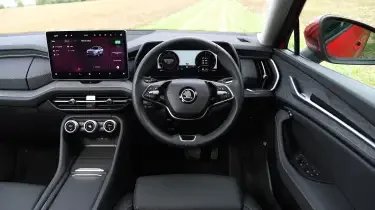
Recent engineering mules of the ID. Tiguan undergoing road testing have physical buttons on the steering wheel spokes and climate control interfaces. Volkswagen Passenger Cars CEO Thomas Schäfer had previously conceded that the brand’s aggressive push into touch-capacitive controls did substantial damage to its reputation for user-friendly ergonomics.
The ID. Tiguan is structurally engineered around shared, existing EV underpinnings while delivering a completely redesigned user experience. Company insiders compare the strategy with Volkswagen’s historical transition between the fifth- and sixth-generation Golf.
In 2008, the Golf Mk6 debuted on the same PQ35 platform as the preceding Mk5. Volkswagen nevertheless treated the Mk6 as an entirely new generation, directing resources toward criticism of the Mk5’s cabin quality and manufacturing complexity. The changes included premium materials, improved sound insulation and refined aesthetics.
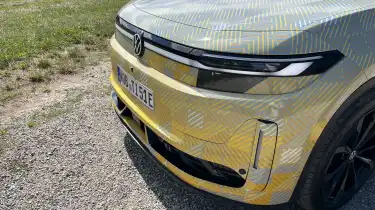
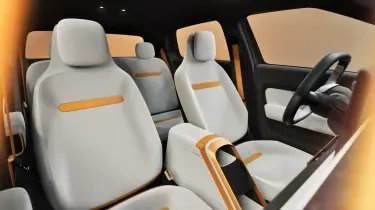
The ID. Tiguan is expected to follow that blueprint with a major exterior styling overhaul and a premium-tier interior built on shared, existing EV underpinnings. Mindt’s design team is also prioritizing high-quality cabin materials to move future electric models away from the hard plastics that characterized early ID.3 and ID.4 models.
The elevated material standards program is being applied to the upcoming ID. Cross, a smaller electric SUV scheduled to sit just below the Tiguan in Volkswagen’s global electric lineup. Official technical specifications for the ID. Tiguan have not been fully disclosed.
The vehicle is anticipated to offer powertrain options similar to the current ID.4, which uses 52 kWh and 77 kWh battery packs. Those configurations support single-motor rear-wheel-drive layouts as well as dual-motor all-wheel-drive systems.
The ID. Tiguan is expected to build on those foundations, potentially incorporating Volkswagen’s more efficient, newly developed APP550 electric drive unit to maximize range and performance.