
Trump Turns Corporate CEOs Into His Inflation Defense
Treasury recruits corporate leaders to counter voter anxiety over inflation
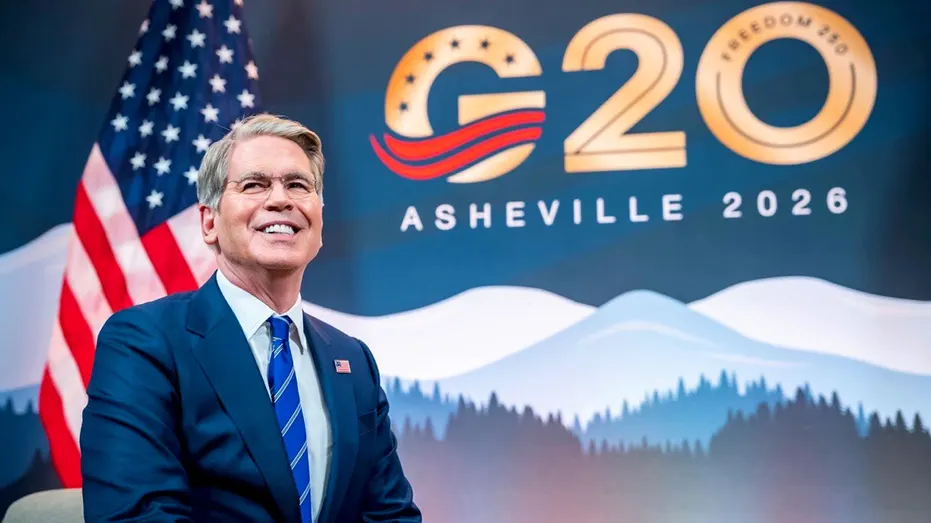
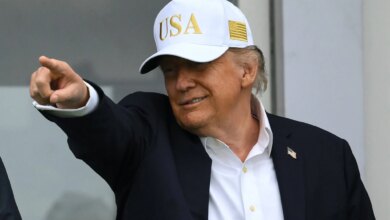
WASHINGTON — The U.S. Department of the Treasury is scheduled to release a promotional video across its social media channels on Monday night, featuring top chief executives praising President Donald Trump’s business policies. Treasury Secretary Scott Bessent is using corporate validation as the administration battles polling showing that voters remain deeply concerned about the household economy despite strong macroeconomic indicators.
The material was compiled during the G20 Finance Track meetings in Asheville, North Carolina, from August 31 to September 1. Bessent, a former hedge fund manager who assumed leadership of the Treasury Department in Trump’s second term, used the international summit to showcase the administration’s domestic economic achievements.

While the White House highlights a robust 4.1% unemployment rate, a stock market that has surged 20% during Trump’s second term, and a projected third-quarter Gross Domestic Product growth rate of 4.4% according to the Federal Reserve Bank of Atlanta’s GDPNow model, voters remain focused on stubborn price pressures. August consumer price data showed inflation rising 3.4% over the preceding 12 months.
That increase marked the 66th consecutive month that inflation has remained above the Federal Reserve’s 2% target. Elevated costs continue to keep fuel prices and daily expenditures high, while the Republican Party seeks to maintain its legislative majorities ahead of the high-stakes 2026 midterm elections.
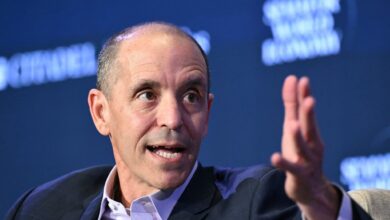
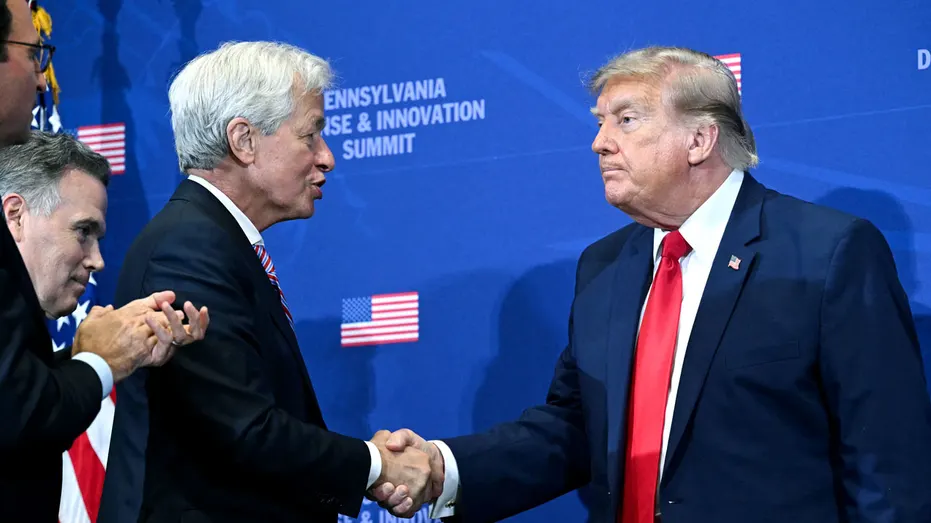
Among the executives featured is JPMorgan Chase CEO Jamie Dimon, who has frequently engaged with policymakers on financial regulation. In the video, Dimon criticizes the post-financial crisis regulatory landscape, comparing oversight to structural drag.
“We have been regulating nonstop for years like barnacles on a boat,” Dimon states. “You can deregulate, free up capital, free up liquidity and make the system safer.”
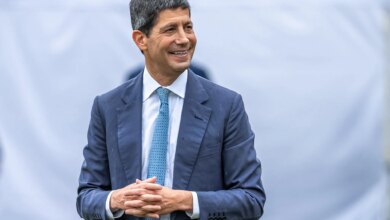
Bessent pitched Trump’s signature platform of aggressive deregulation, corporate tax cuts, and protective trade tariffs as the primary engines driving global economic competitiveness. The video also includes Goldman Sachs CEO David Solomon, Eli Lilly CEO David Ricks, 3M CEO Bill Brown, and John Deere Chief Technology Officer Jahmy Hindman.
Ricks’s pharmaceutical company has seen significant growth due to global demand for its medical treatments. He explicitly tied the administration’s policies to domestic industrial expansion, saying, “The president’s agenda of reducing taxes and deregulating and allowing us to build manufacturing sites in America for the first time in over 40 years for our company,” and adding, “It’s really profound.”
The focus on domestic manufacturing aligns with the cornerstone of Trump’s second-term economic policy: the aggressive use of tariffs and protectionist trade measures designed to reshore industrial supply chains. The White House has defended the tariffs against criticism that they exacerbate consumer price inflation, claiming instead that the administration’s policies have attracted $11.2 trillion in pledged domestic and foreign investments inside the United States.
The corporations represented in the video employ approximately 550,000 workers worldwide and generate a combined annual revenue of roughly $376 billion. Political strategists, however, warn that the gap between corporate enthusiasm and voter sentiment poses a significant challenge for the GOP.
Historically, the party in control of the White House faces substantial headwinds during midterm elections, a challenge magnified when voters feel pinched by everyday expenses such as gasoline and groceries. Former Representative Jason Chaffetz, a contributor for Fox News, noted during a broadcast of “The Evening Edit” that the Republican Party faces a messaging hurdle if it cannot bridge the divide between macroeconomic data and household pocketbook issues.
The Treasury’s deployment of corporate heavyweights represents an explicit attempt to bridge that gap, using the authority of the private sector to validate the administration’s long-term growth strategy as the November elections loom.