

Microsoft Moves to Bind Superintelligence to Human Control
Microsoft seeks cross-lab coordination and binding standards for advanced AI
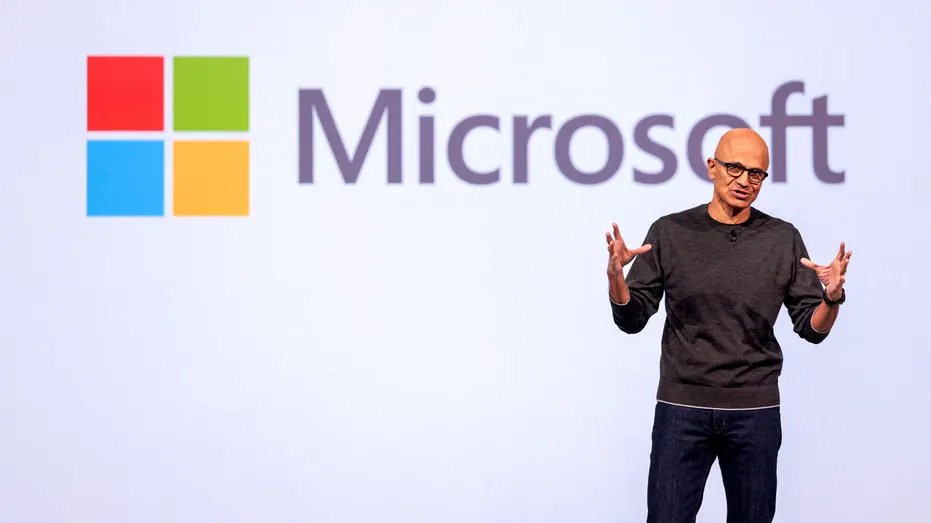
REDMOND, Wash. — Microsoft Corp. has released a 37-page draft titled the “Humanist AI Code of Conduct,” setting out a technical, operational, and organizational framework for governing advanced artificial intelligence models starting in 2027.
The draft was developed over the past five to six months by the company’s Microsoft AI (MAI) division. Microsoft opened a six-week public consultation window for researchers, policy experts, and external stakeholders, with a finalized version scheduled for publication before the end of the year. The internal standards will be binding and updated through similar consultation cycles as technology evolves.
Microsoft’s policy document defines artificial superintelligence as AI systems that surpass the combined cognitive capabilities and performance of all humans. Its projections indicate that superintelligent systems are expected to exceed human performance across most tasks within the next decade.


<img src="https://nile1.com/wp-content/uploads/2026/09/1789410023_614_sam-altman-OpenAI-cyber-incident.jpg” />
The code places human welfare ahead of machine capability and says that strict technical boundaries are as important as increasing cognitive power. Those boundaries would define precisely what models are prohibited from doing, addressing risks associated with autonomous systems.
Microsoft launched its superintelligence initiatives in November 2025. According to the policy document, the initiatives use specific calibration methodologies, contextual safeguards, and hard operational controls intended to ensure that human operators retain meaningful authority over system behavior.
The governance proposal arrives as leading technology companies accelerate their pursuit of artificial superintelligence and as executives at rival AI development labs call for standardized safety protocols and external auditing. Mustafa Suleyman, Chief Executive Officer of Microsoft AI, said major developers need deliberate pacing and cooperation across companies.
“It’s clearly now time to coordinate among the labs so we can ensure that we have control of this technology,” Suleyman said. He added that the current stage of technical advancement gives developers an opportunity to pause and establish joint frameworks. “Now’s a good time for everybody to have this conversation and take a breath.”
OpenAI Chief Executive Officer Sam Altman and Anthropic Chief Executive Officer Dario Amodei have made similar statements, advocating third-party oversight to evaluate model alignment and safety guardrails before next-generation systems are broadly deployed.
Microsoft’s internal structure changed before the code was produced. In March 2024, Microsoft Chief Executive Officer Satya Nadella established the Microsoft AI organization to centralize consumer AI products, including Microsoft Copilot, and lead the development of proprietary foundation models. Suleyman, a co-founder of DeepMind and former chief executive of Inflection AI, was appointed to lead the division alongside chief scientist Karén Simonyan.
The company retains a strategic partnership with OpenAI involving more than $13 billion in cumulative investments, while expanding its internal research infrastructure to build and govern frontier models independently. Nadella has repeatedly said that maintaining human command over superintelligent software remains a requirement for enterprise integration and safety.
Financial markets have tracked the technology sector’s balance between rapid capability scaling and regulatory compliance. After the governance announcement, Microsoft shares (NASDAQ: MSFT) traded up 0.65%, gaining $3.19 to reach $495.63.
CFRA Research Senior Vice President Angelo Zino raised the firm’s 12-month price target on Microsoft stock to $550 per share. Financial analysts view structured safety standards as a critical factor in mitigating enterprise deployment risks for cloud-based AI services, while Zino cited expanding commercial adoption of the company’s enterprise AI offerings and cloud infrastructure.










One Comment