Tech Billionaires Pour $340M Into Killing California Wealth Tax
Sergey Brin leads donors with over $100 million as Gov. Newsom backs a rival measure to block the November ballot initiative.
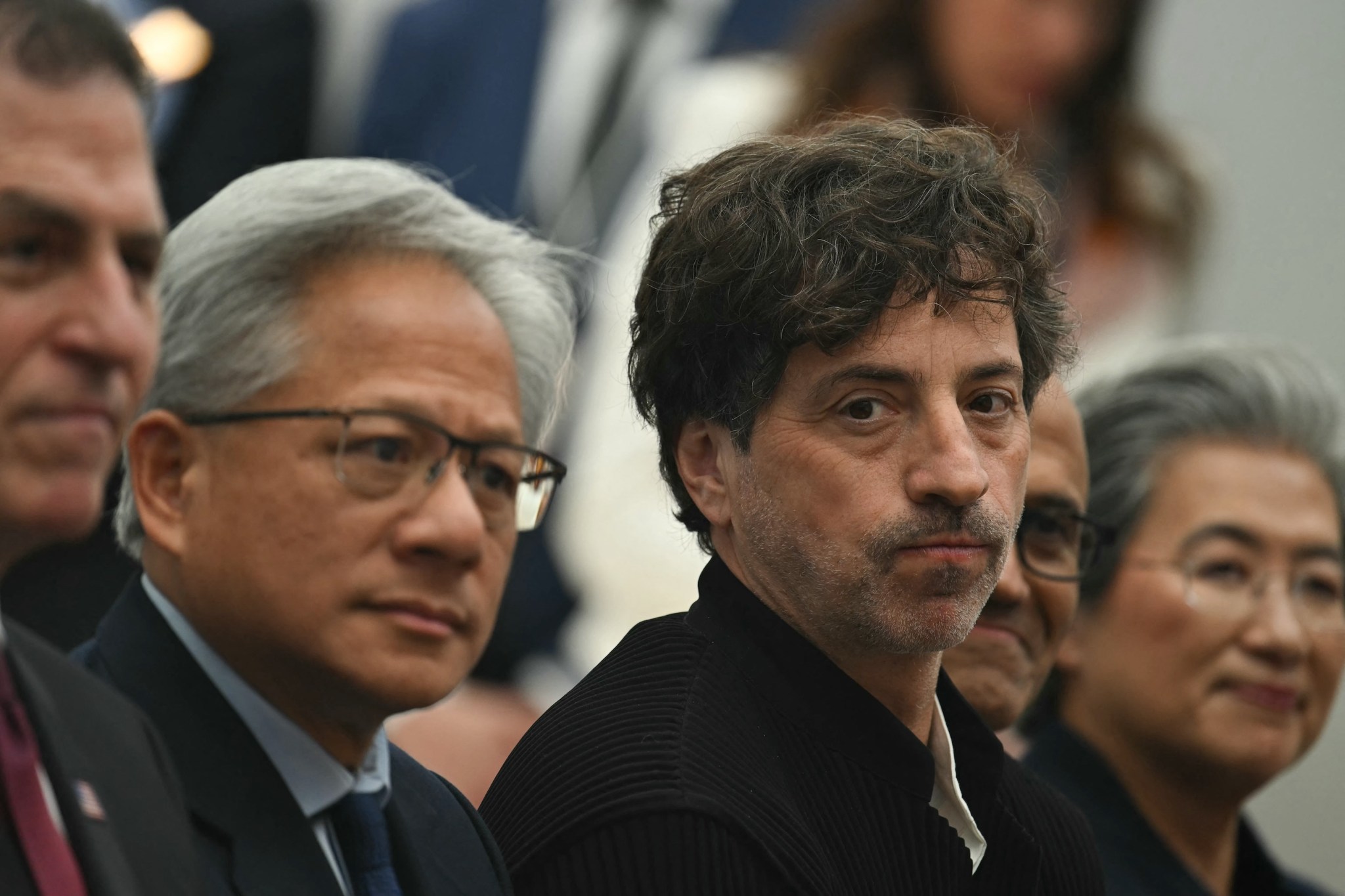
Silicon Valley executives have assembled one of the most expensive political war chests in California history to block a proposed wealth tax, turning the Nov. 3 ballot into a proxy fight over the state’s fiscal future.
More than $340 million has been raised to oppose Proposition 40 and back competing initiatives that would permanently bar such levies, according to campaign finance disclosures reviewed by the Guardian. The spending dwarfs typical statewide ballot measure campaigns and reflects an unprecedented mobilization by technology founders who stand to pay billions under the measure.
Prop 40 would impose a one-time 5% tax on the net worth of California billionaires who resided in the state on Jan. 1, 2026. Payments would be due in 2027, with real estate, pensions, and most retirement accounts excluded. Proponents say it could raise $100 billion, with 90% directed to health care.


The opposition is heavily concentrated among a handful of tech figures. Google cofounder Sergey Brin has contributed more than $100 million, making him the largest donor. Former Google CEO Eric Schmidt, Palantir cofounder Peter Thiel, Stripe CEO Patrick Collison, and DoorDash CEO Tony Xu are also funding the effort. In just the first 19 days of September, the opposition campaign spent at least $21.2 million.
That money is largely flowing toward Proposition 42, a Brin-funded countermeasure endorsed by Gov. Gavin Newsom on Oct. 9. Prop 42 would ban retroactive taxes and prohibit new state levies on personal property, effectively neutralizing Prop 40. A second countermeasure, Proposition 41, carries similar blocking power. Under California election rules, whichever competing measure receives the most yes votes prevails if any passes.
Newsom has staked his political capital against the billionaire tax, arguing it would accelerate an exodus of high-income residents whose annual income tax payments fund state services. He has instead pushed for a federal minimum tax on Americans worth more than $100 million.
The financial stakes extend beyond the ballot box. Benjamin Jaros and Joshua Rauh, economists affiliated with Stanford University’s Hoover Institution, estimate in a working paper published this month by the National Bureau of Economic Research (NBER) that the tax would collect roughly $30 billion—between $28 billion and $36 billion—rather than the $100 billion proponents project. Using Forbes billionaire rankings, real estate reports, and public relocation announcements, they calculate that departures have already erased nearly 30% of the proposed tax base. Seven billionaires who publicly relocated account for approximately $540 billion in wealth, CBS News reported, citing the study.
But establishing residency for tax purposes is legally complex. Economists who helped design Prop 40 argue that announcing a move does not automatically sever California tax ties as of the Jan. 1 cutoff date. Some high-profile figures, including Brin, likely remained California tax residents because of ongoing connections to the state.
A separate NBER study by economists Jasper Boll, Emmanuel Saez, and Gabriel Zucman reached a different conclusion. Even if every billionaire permanently left, it would take roughly 25 years for accumulated income tax losses to match the proposed $100 billion windfall. Saez provided unpaid advice on the ballot measure’s design. An August revision by those authors raised their estimate of what California billionaires paid in state income taxes in 2025 from $4.1 billion to $4.3 billion and challenged the Stanford methodology, arguing it treats the wealth tax as temporary while assuming migration effects are permanent.
California’s nonpartisan Legislative Analyst’s Office projects the tax would generate tens of billions of dollars over several years while potentially reducing annual income tax revenue by less than $1 billion.
SEIU–United Healthcare Workers West, the union sponsoring Prop 40, told CBS News the measure is intended to prevent the collapse of the state’s health care system.
The broader economic backdrop has intensified the debate. The richest 1% of U.S. households held a record 32.5% of the nation’s total net worth in the second quarter of 2026, up from 31.1% a year earlier, according to Federal Reserve data. The bottom half held 2.3%, down from 2.4%.
Not all billionaires targeted by the measure are funding its defeat. Nvidia CEO Jensen Huang said he would be comfortable paying an estimated $8 billion over five years, calling the ability to do so a privilege, as Fortune reported Tuesday. Huang urged people to move to California rather than leave.
Voters remain divided. A recent Citrin Center–Politico poll found 46% of likely voters support Prop 40, while 43% oppose it.