U.S.-Russia Economic Deals Advance as Ukraine War Talks Stall
Joint commercial projects near implementation as Trump pushes Zelenskyy to accept a frozen conflict
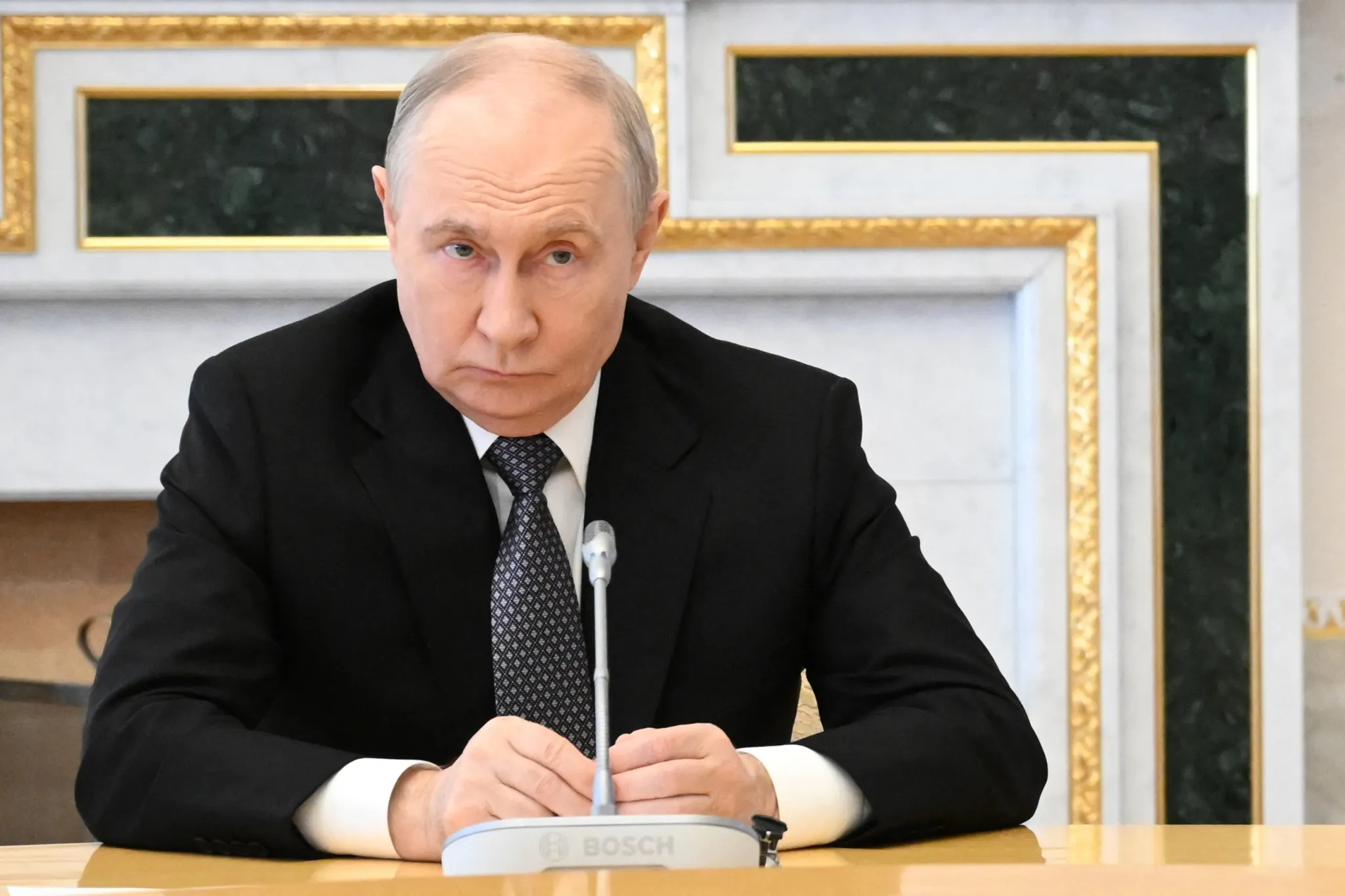
American farmers and truckers are about to receive discounted Russian diesel. Joint economic projects between Washington and Moscow are nearing implementation. These commercial developments, outlined Wednesday by Kremlin officials following a three-hour meeting in St. Petersburg, reveal the actual center of gravity in U.S. envoy Steve Witkoff’s latest trip to Russia: business.
While headlines will focus on the agreement “in principle” to resume three-way negotiations with Kyiv after Nov. 10, according to Putin foreign affairs adviser Yuri Ushakov, the tangible deliverables emerging from the Constantine Palace sit squarely in the economic sphere. The proposed security talks—meant to address what Ushakov called “building a security system for Russia and Ukraine after the conflict ends”—remain largely theoretical. Three previous rounds in Abu Dhabi and Geneva earlier this year produced nothing beyond prisoner-of-war exchanges.
The financial architecture, however, is moving. During the meeting, which included Witkoff, Ushakov, Russian presidential envoy Kirill Dmitriev, and Trump’s son-in-law Jared Kushner via video link, the Americans pitched a postwar economic plan alongside European security discussions, a U.S. official familiar with the talks said on condition of anonymity. Ushakov told reporters that “large-scale joint economic projects that offer significant prospects for cooperation” were discussed in detail, adding that some are “nearing the implementation stage.”
Witkoff used his televised opening remarks to thank Putin for agreeing to send diesel to the United States, a transaction made possible after President Donald Trump lifted a ban over objections from some U.S. lawmakers. This energy trade represents a concrete policy shift. It contrasts sharply with the diplomatic stalemate on the ground in Ukraine, where armies remain locked in combat and daily long-range strikes continue.
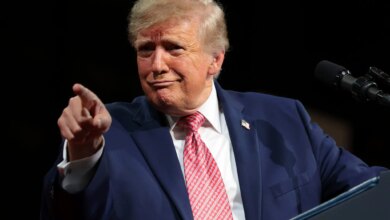
Trump has made his priorities clear. Speaking Tuesday at the White House, he demanded Zelenskyy compromise. “We want Zelenskyy to make a deal,” Trump told reporters in the Oval Office. “We’ve given a lot to Ukraine. We’ve gotten absolutely nothing back except grief, death, tremendous monetary loss.” He warned that failure to agree would be “a very bad thing.”
Zelenskyy, who met Witkoff and European leaders in Oslo on Tuesday, countered in a Fox News interview broadcast Wednesday that freezing the conflict was the “minimum” required from Russia. “Right now, we have to freeze, and I think this is (the) real way to end this war,” he said. The Ukrainian president has insisted only a summit of leaders can break the impasse.
Moscow views the current proposals skeptically. Ushakov dismissed the Oslo meeting’s output as containing “little of real value in the context of resolving the Ukrainian crisis,” though he later told Russian state TV the plans represented a step in the right direction. Norwegian Prime Minister Jonas Gahr Støre, who met Witkoff briefly at an Oslo airport before the envoy flew home, suggested a shift might be underway. “I think we may have entered a phase now where the Russians are also looking for opportunities for diplomacy,” Støre told broadcaster NRK, estimating new talks could happen in mid-November. Asked if Zelenskyy could accept a border along the current front line, Støre replied: “I don’t think Ukraine will ever formally accept it and say that this is the new border. But whether they can live with it is another matter.”
The geopolitical maneuvering extends well beyond Europe. Putin used the session to signal readiness to discuss the U.S.-led conflict with Iran, offering to leverage Moscow’s relationship with Tehran. Simultaneously, Putin met separately Wednesday with Chinese Premier Li Qiang, who was in St. Petersburg for talks with other Russian officials, the Kremlin said. Russia and China vetoed a U.S. proposal last month to keep U.N. experts monitoring sanctions on Iran. Ushakov confirmed that Putin and Witkoff discussed a possible meeting next month between Russian, Chinese, and U.S. leaders at an economic summit in China, noting Beijing is already preparing for it.
As a gesture tied to the broader diplomatic push, Russia released Stephen Hubbard, a retired American teacher imprisoned on charges of fighting as a mercenary in Ukraine. Witkoff described it as a goodwill gesture after Trump asked Putin to free him.
None of this halted the violence. Overnight Russian attacks killed three people and wounded 12 in Kyiv, damaging 10 residential buildings, the city’s military administration said. Energy facilities were struck in Kyiv and three other cities, Ukrainian Prime Minister Serhii Koretskyi said. Outside Kharkiv, two people died and 11 were wounded when drones hit a residential area. Total casualties across Ukraine reached five dead and at least 23 wounded. The Russian Defense Ministry reported striking a warehouse, an electrical substation, and a bulk carrier at sea heading to Odesa, while claiming its air defenses intercepted 373 Ukrainian drones overnight over multiple regions, the illegally annexed Crimean Peninsula, and the Black Sea. Zelenskyy noted Kyiv is once again receiving early warnings from partners about incoming Russian missiles, following recent strikes he said occurred without sufficient allied notice.