PSA Card Heist Exposes a Flaw in How Collectors Insure Rare Cards
Collectors face steep losses after declaring insurance values months before their cards were authenticated and graded.
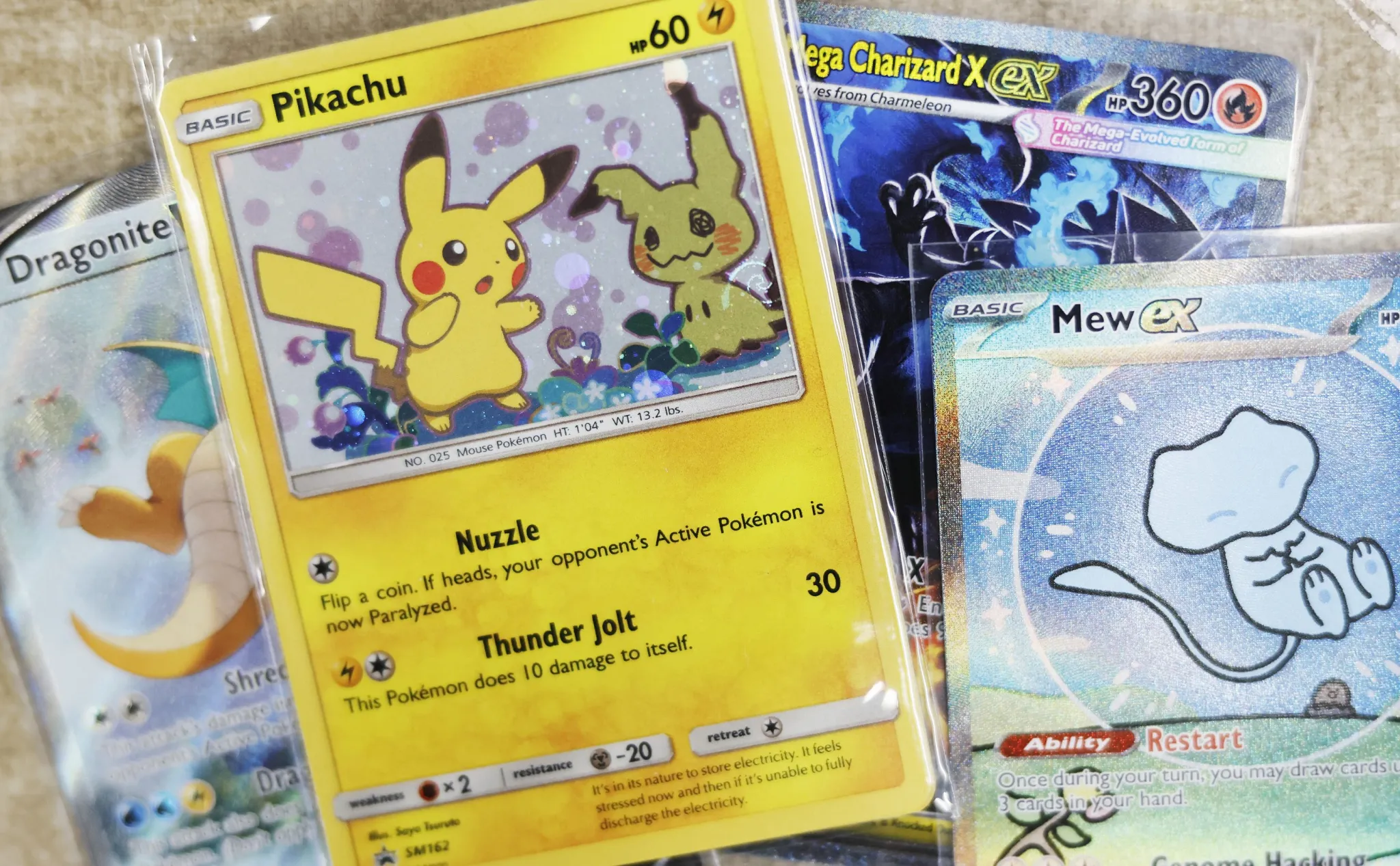
The $963,000 theft of graded trading cards from a FedEx truck outside Professional Sports Authenticator’s Santa Ana, California, office on Oct. 13 has exposed a structural vulnerability in how the collectibles industry insures high-value shipments. The loss is now forcing individual collectors to navigate an insurance framework that caps payouts based on estimates made months before the items were ever professionally evaluated.
When owners submit raw cards for grading, they must declare a maximum insured value for each item. PSA uses these declarations to calculate shipping insurance and grading fees. But the declared value is a guess. It is set before the card receives the plastic-encased grade that ultimately determines its market price. If a card returns with a perfect 10, its worth can multiply far beyond what the owner initially declared.
That gap between estimated and actual value is now the central financial problem for victims of the Santa Ana burglary. Police said thieves took two pallets of Pokémon and sports cards from the delivery vehicle at 1410 E. St. Andrew Place, disturbing a third. No arrests have been made.

“The estimated value of the stolen cards at the time of the incident was $963,000. However, the exact value of the stolen items has not yet been determined,” the Santa Ana Police Department said in a statement to Fortune, noting the figure reflects PSA’s insurance payout structure rather than current secondary-market pricing.
For YouTuber SKY-B Cards, who posts unboxing videos to 148,000 subscribers, the math is unforgiving. He submitted 104 cards at the National Card Show in late July, paying more than $8,000 in grading fees. Each card was insured at up to $1,500, capping his total order coverage at $156,000. When PSA completed grading in October—20 days ahead of schedule—several cards exceeded that $1,500 threshold, including a Tyrese Maxey card valued just under $2,000, according to the collector.
His shipment also contained one-of-one serial-numbered cards, a Barry Sanders autograph numbered three of five, and a misprinted LeBron James card. Factory errors frequently command steep premiums from buyers, but those premiums only materialize after authentication. In a video viewed more than 72,000 times, he described the items as “irreplaceable.”
PSA told affected customers it would compensate them “based on fair market value up to the maximum insured value you selected for each card,” according to an email reviewed by Fortune. A PSA spokesperson told Fortune the company’s customer service team was arranging compensation and added that grading fees would be refunded, according to NBC Los Angeles.
The timing of the theft aligns with a broader surge in alternative asset speculation. Pokémon cards have appreciated 3,261% over the past two decades, outpacing other trading card categories. Demand previously escalated to the point that the Pokémon Company doubled its print run to curb speculation.
Selling stolen graded cards presents logistical hurdles for thieves. PSA deactivated the certification numbers tied to the stolen inventory and alerted online marketplaces to monitor for listings, the company said in its email to customers. Without active certification numbers verifiable in PSA’s database, moving high-end cards through established auction houses or major trading platforms becomes significantly harder.
FedEx said in a statement to Fortune that it is working with local law enforcement. PSA stated it is reviewing procedures and considering “enhancements or education for shipping partners.”