Russia and Iran Build a Sanctions-Proof Economic Bloc
A confidential roadmap details how Moscow and Tehran are institutionalizing financial, industrial, energy, and transport cooperation.
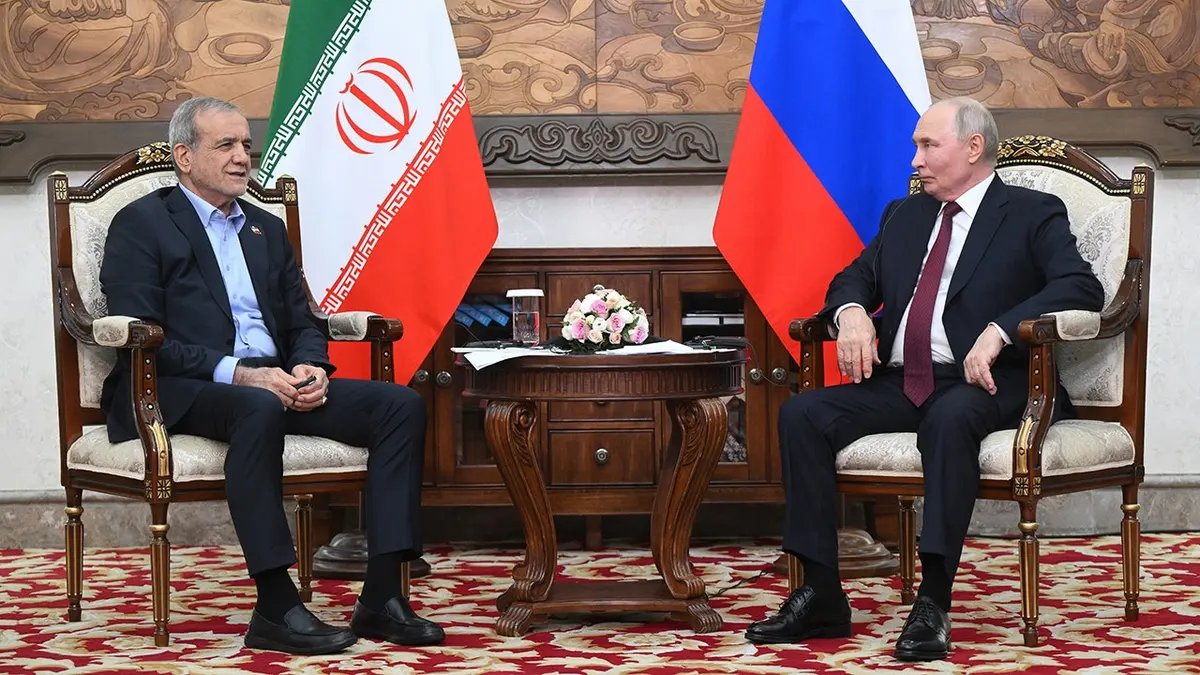
A 44-page Russian government document obtained and reviewed by Fox News Digital lays out a plan to turn Moscow’s tactical alliance with Tehran into a permanent economic and industrial partnership. The “Plan for Cooperation Between the Russian Federation and the Islamic Republic of Iran for 2024-2026” was approved by Russia on September 2, 2024, and marked “For official use.” It assigns responsibilities and deadlines through the end of 2026 to Russian ministries, regulatory agencies, and state-owned corporations.
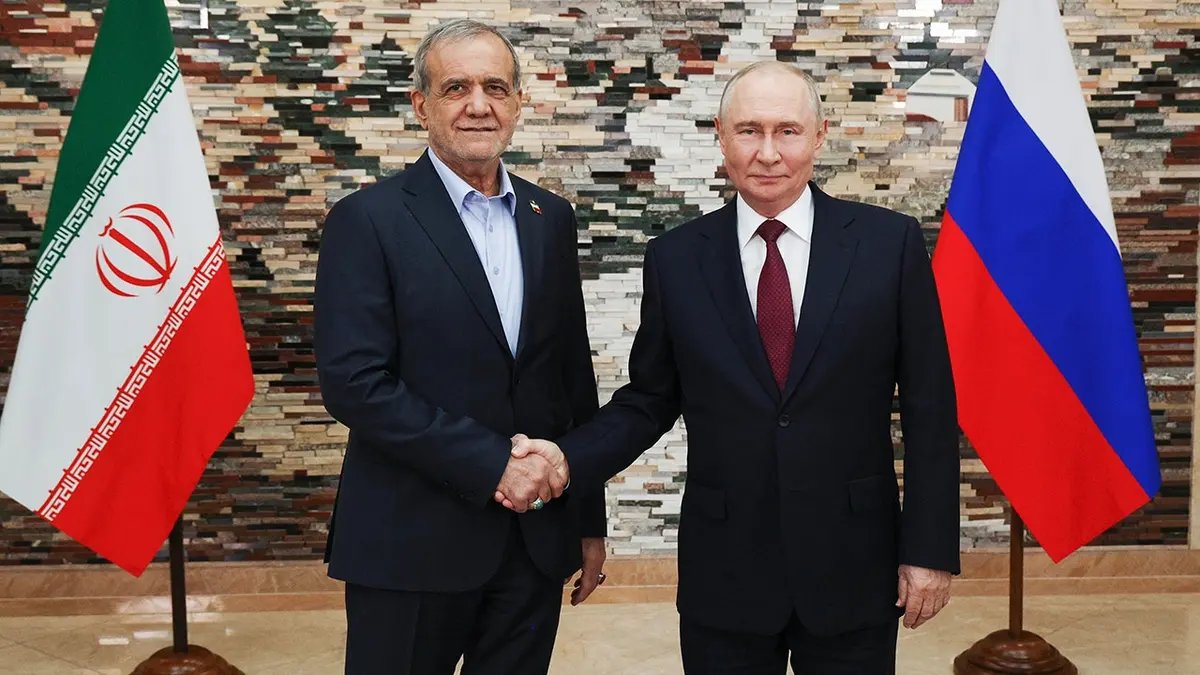
The roadmap includes plans for a parallel economic architecture intended to shield both countries from Western financial and logistics networks. Although its drafting predated the current direct military escalation involving Iran and the United States, an analysis of the document alongside subsequent public actions shows that multiple key initiatives have since been implemented or advanced.


The Russian side of the Permanent Russian-Iranian Commission on Trade and Economic Cooperation is chaired by Russian Energy Minister Sergei Tsivilev. His wife, Anna Tsivileva, became Russia’s deputy defense minister in June 2024; she is the daughter of President Vladimir Putin’s late cousin.
A European intelligence source who reviewed the document said the direct involvement of a member of Putin’s extended family indicates that the Iranian portfolio is not merely a routine bureaucratic matter but holds significant strategic value for the survival and stability of the Russian regime.
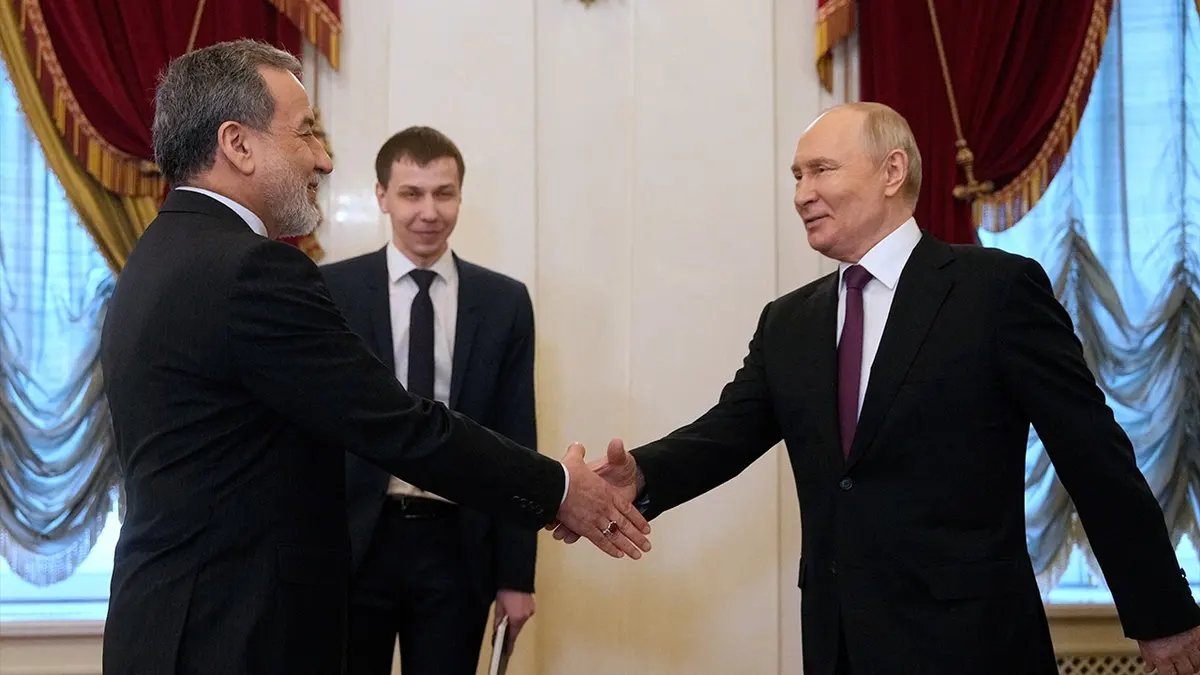
Keti Korkiya, a research analyst with the Foundation for Defense of Democracies’ Russia Program, said the roadmap’s significance lies in the comprehensive architecture Moscow is trying to build. The plan seeks systematic redundancy across financial mechanisms, transport links, energy investments, and industrial supply chains to diminish the impact of Western sanctions rather than relying on isolated, transactional deals.
One financial target is to raise the share of bilateral trade conducted in national currencies from 68% in 2024 to 71% by 2026. The roadmap also tasks the Bank of Russia and the Central Bank of Iran with developing central bank digital currencies (CBDCs) for cross-border settlements and connecting domestic financial institutions to independent systems for transmitting financial messages.
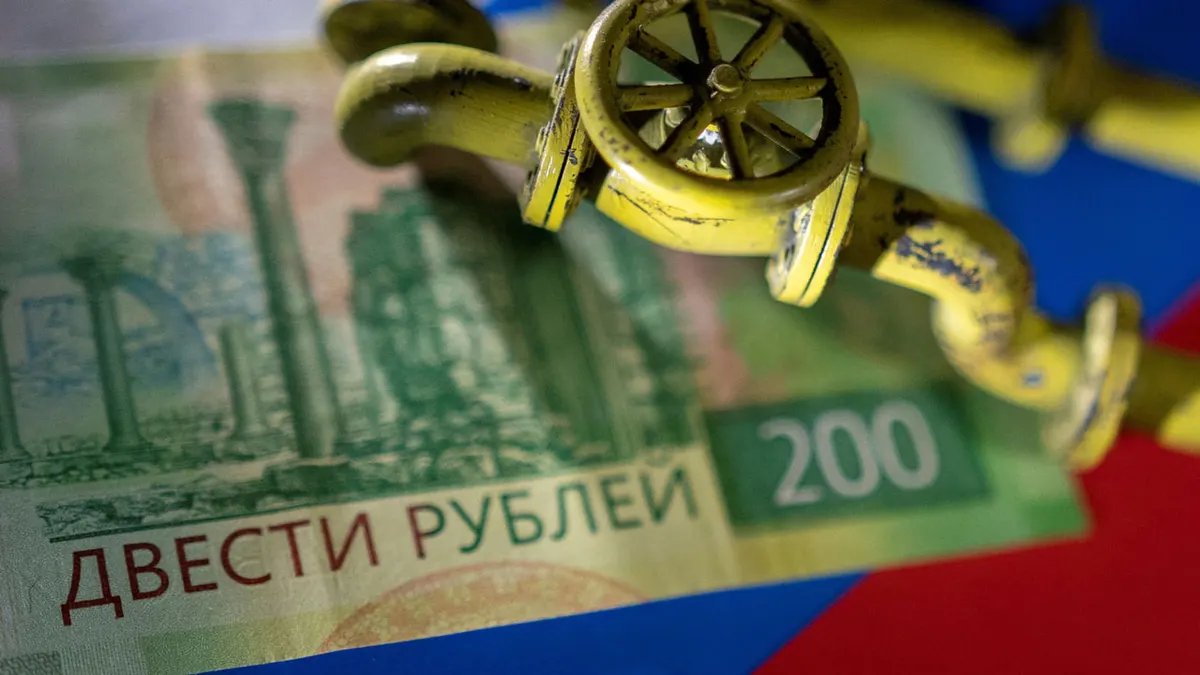
Both countries have historically faced severe isolation from the international financial system. Major Iranian banks were disconnected from the SWIFT financial messaging network after the reimposition of U.S. sanctions, while Russian banks faced similar bans after the 2022 invasion of Ukraine.
By February 2025, Russian Deputy Prime Minister Alexei Overchuk said Moscow and Tehran had almost entirely shifted bilateral settlements to national currencies while using their own domestic messaging infrastructure. Iran’s ambassador to Russia announced that month that Iran’s Shetab payment network had been integrated with Russia’s Mir system, eliminating the need for SWIFT in bilateral banking relations.
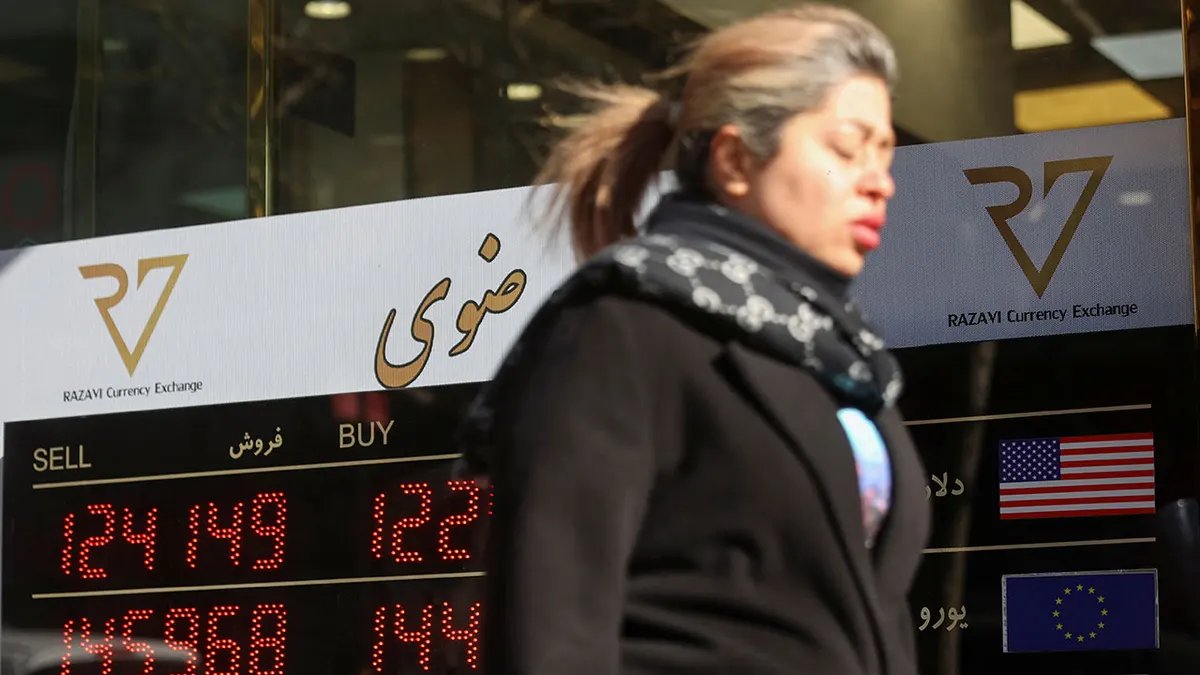
Responding on background, a U.S. official said Washington closely monitors attempts by sanctioned jurisdictions to develop alternative cross-border payment mechanisms. The official acknowledged that such efforts are expected given the degree of isolation faced by both regimes, but said alternative channels cannot replicate the reach, liquidity, or trust of the international financial system. Financial institutions assisting in these evasion schemes, the official warned, expose themselves to severe secondary sanctions risk.
The same roadmap assigns Russian and Iranian agencies work on content exchanges, joint media productions, and professional training programs for journalists. Russian IT firms are also directed to secure agreements in Iran involving telecommunications, video-game development, and information security.
The digital alignment accompanies broader cooperation in cyber and state media strategies. Both nations have increasingly coordinated efforts to manage domestic internet controls and counter Western media narratives through joint agreements.
Energy projects form another part of the document. Russia and Iran possess some of the world’s largest natural gas and oil reserves, and the roadmap names the Shadegan oil field and the Kish and North Pars gas fields as Iranian assets where Russian entities sought development roles. The Russian Energy Ministry and unspecified “interested Russian companies” are listed as responsible parties, while financing columns for several projects are marked “Confidential.”
In February 2026, Russian state-owned ZN-Vostok was publicly identified as developing the Shadegan oil field, while Iranian officials expressed hopes of securing additional Russian investment across their energy infrastructure. The arrangement builds on earlier high-level agreements, including a $40 billion memorandum of understanding signed by Russian state gas giant Gazprom and the National Iranian Oil Company in July 2022.
The roadmap also calls for physical supply lines that bypass European territory. Its primary transport focus is the International North-South Transport Corridor (INSTC), a 7,200-kilometer multi-mode network intended to connect Russian industrial centers with ports in the Persian Gulf and the Indian Ocean via Iran.
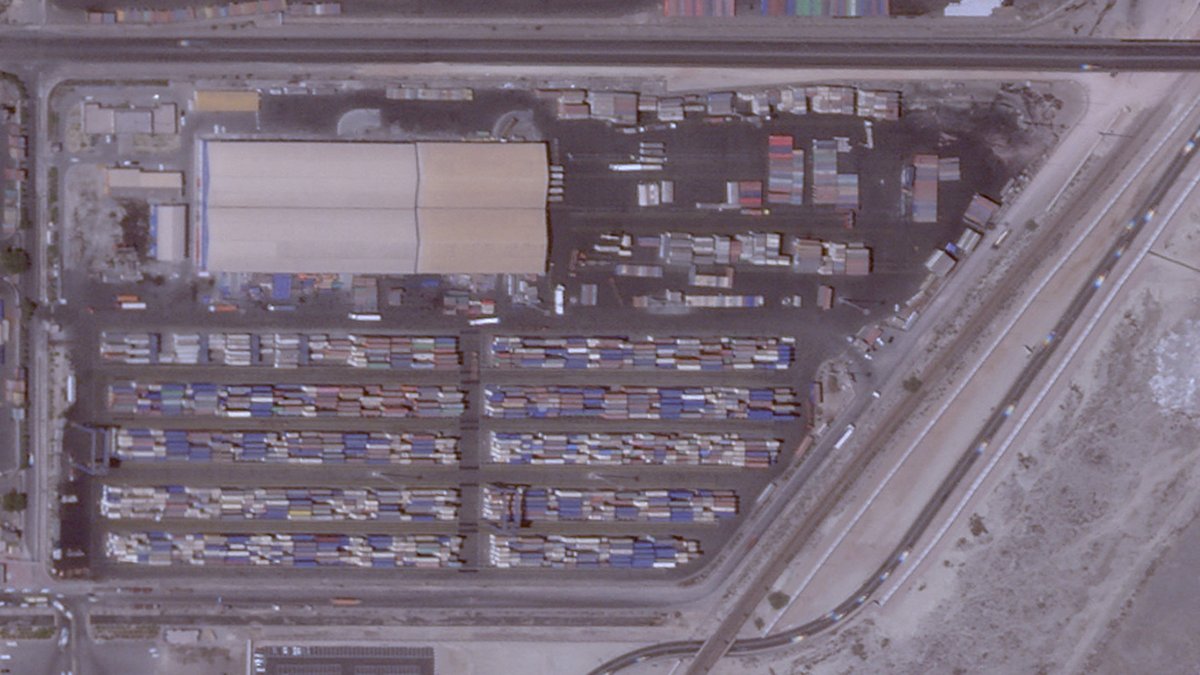
One provision calls for a railway using Russia’s standard 1,520-millimeter track gauge from the Azerbaijani border to southern Iranian ports. The plan also prioritizes the 162-kilometer Rasht-Astara railway link. In May 2025, Russia’s Ministry of Transport announced the formal launch of engineering surveys for the line.
Iranian investment in port infrastructure in Astrakhan is addressed separately. The plans include a dedicated terminal, logistics park, and grain and vegetable-oil storage facilities. Subsequent reporting confirmed that an Iranian-owned enterprise has operated a terminal in Astrakhan and undertaken construction of storage facilities corresponding to those plans.
Industrial cooperation includes a plan to establish localized production of components and assemblies for Russian aircraft inside Iran. Russian authorities were directed to identify suitable Iranian manufacturing sites, have them certified by Russia’s aviation regulator, Rosaviatsiya, and conclude a localization agreement by March 31, 2026. Prototype production was targeted for the end of 2026.
The aircraft initiative addresses Russia’s loss of access to Western spare parts and maintenance services from Boeing and Airbus after international sanctions were imposed in 2022. Iran has navigated that restriction for decades. In February 2025, Rosaviatsiya approved three Iranian companies to conduct maintenance and airworthiness work on Russian commercial aircraft after the successful servicing of an Aeroflot Airbus A330 in Tehran.
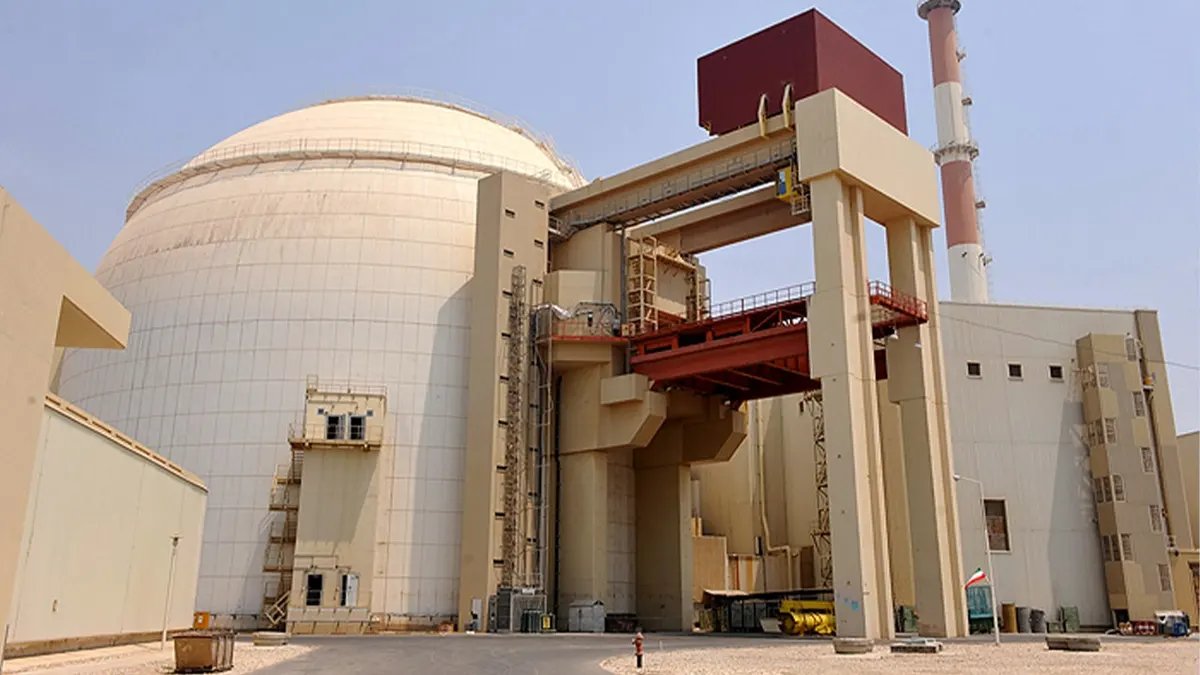
The civilian nuclear sector remains another element of the framework. Russia’s state-owned nuclear energy corporation, Rosatom, is tasked with providing fuel and maintenance support for Unit 1 of Iran’s Bushehr nuclear power plant and continuing construction on Units 2 and 3.
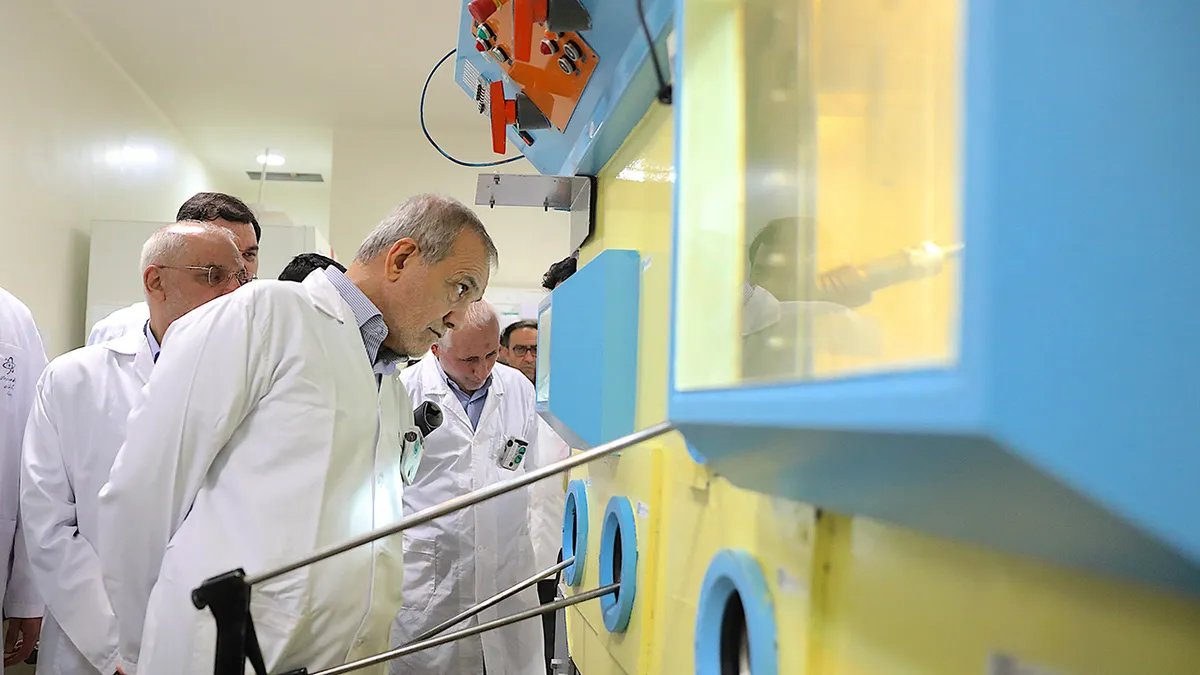
Bushehr was originally started by German contractors in the 1970s and abandoned after the 1979 Islamic Revolution. Russia took over the project under a 1995 bilateral agreement, and Unit 1 was completed and connected to the grid in 2011. The plant has served as a vehicle for Russian technological and diplomatic influence in the Middle East.
On September 2, 2026, Rosatom said Russian specialists had returned to Bushehr to prepare Unit 1 for scheduled maintenance and partial fuel replacement. The company confirmed that the necessary nuclear fuel had already been delivered to the site.
Moscow and Tehran have publicly advocated for a “multipolar world” and coordinated their diplomatic efforts through international forums including BRICS and the Shanghai Cooperation Organization. The nonpublic roadmap sets formal deadlines, uses state-backed enterprises, and relies on confidential financing mechanisms.
Its provisions cover financial systems, energy fields, aircraft production, nuclear power, transport infrastructure, media, and information technology.