Ebola Outbreak Passes 10,000 Cases, and 2,705 of Them Are Children
A Bunia observation centre for exposed children, a death rate of 72% among the under-fives, and a response that is only about a third funded.
In Bunia, the capital of Ituri province, a centre for children exposed to Ebola who cannot safely stay with their families is expected to open this month. Save the Children is establishing it for children whose parents are in treatment or have died. It will provide beds, health monitoring, food, psychosocial care, and lessons.
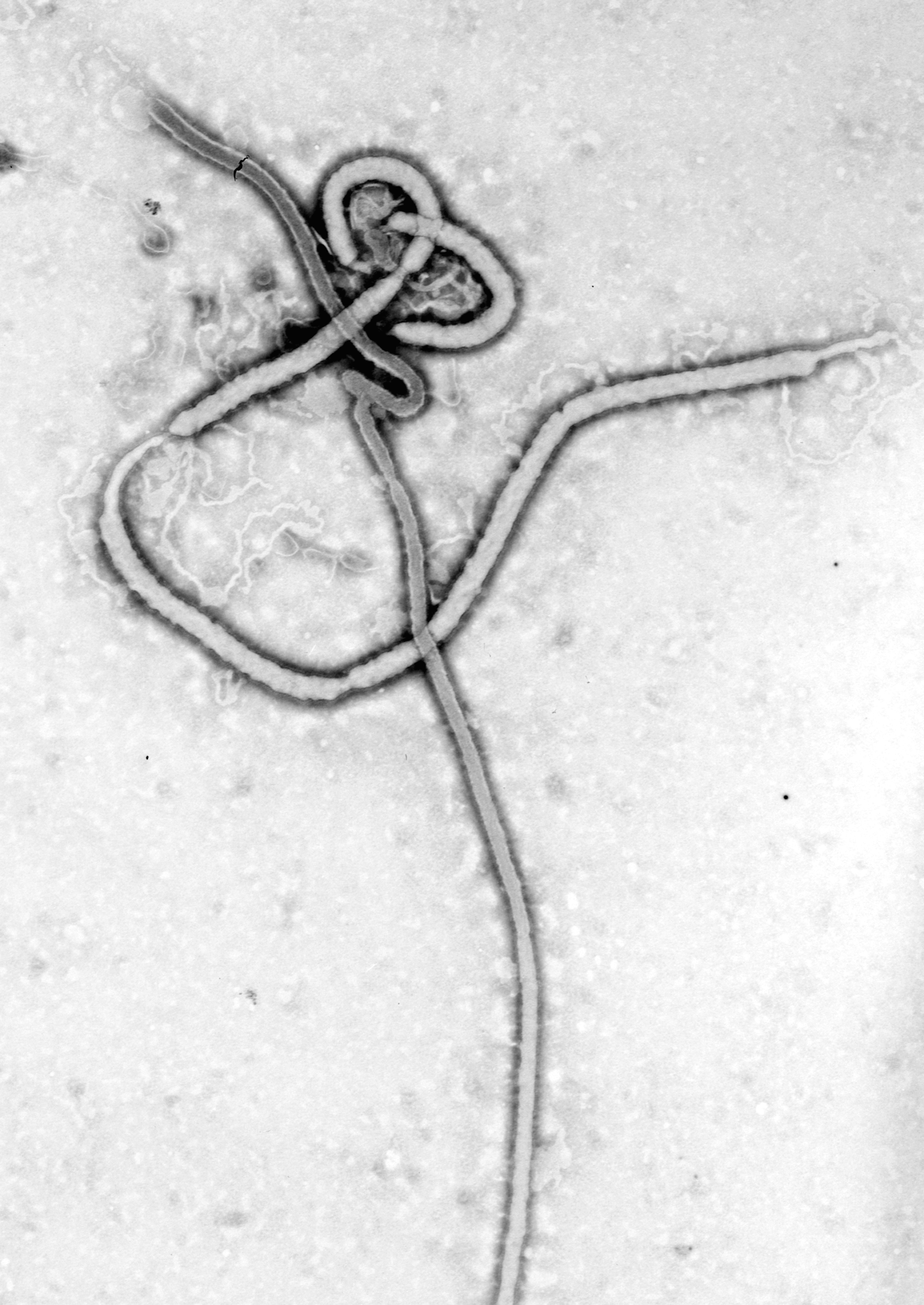
The Ebola outbreak that centre serves passed 10,060 confirmed cases in Congo on Tuesday. The death toll stands at 4,887, according to the Congolese public health institute’s latest situation report. Of those cases, 2,705 are children aged 17 and under. Of those, 1,345 are under five. The count comes from a joint World Health Organization and Africa CDC response team, dated October 26. The fatality rate for the under-fives is 72 percent, against 48.6 percent across all cases.
On September 29, UNICEF counted 2,076 confirmed child cases and 1,162 child deaths, which made children more than one in four cases and roughly one in three deaths. That’s 629 fewer child cases than the October 26 count, and in the weeks between, the share of under-fives with confirmed Ebola who died rose from six in ten to seven in ten. Many of those children, UNICEF said, die before they can reach treatment.

More than 1,900 children have also been orphaned or separated from one or both parents or caregivers since the outbreak was declared in May, UNICEF said on October 6, and Save the Children repeated the figure on October 27 with an average of nearly two children a day. Of those children, 1,581 were identified in Ituri and 322 in North Kivu as of September 28. UNICEF cautions the real number is likely higher. The count covers only places where it works with the provincial social affairs division. A further 214 children living and working on the streets of Bunia have been identified as needing protection. “For children, Ebola can set off a rapid chain of harm,” Lucia Elmi, UNICEF’s director of emergency operations, said after a visit to Bunia. “A parent falls ill and a child may be exposed. That parent is then hospitalized or dies, and the child is left without the person they depend on, while fear of infection and stigma leaves relatives and neighbours afraid to step in.”
UNICEF supports 12 nurseries near Ebola treatment centres in Ituri, North Kivu and South Kivu, for young children who have been exposed, are unaccompanied, or whose caregivers are in treatment. Elmi put it this way: “Nurseries must be a standard part of every Ebola Treatment Centre – they protect children, and they give parents the confidence to seek treatment, knowing their little ones are safe and within reach.” Save the Children says it has reached nearly 200,000 people in Ituri since May, including more than 100,000 children, through preparedness and response work. The money behind that work is thin. UNICEF is seeking 150.8 million dollars for its Ebola response. The Congo response alone needs 113.4 million, of which only 40.1 million has been mobilized. “Behind this milestone are thousands of families facing unimaginable fear and uncertainty, and children are bearing some of the heaviest consequences,” Greg Ramm, Save the Children’s country director in Congo, said on October 27.
When the outbreak was declared on May 15 in Ituri, three zones of one province were affected, according to Africa CDC director-general Jean Kaseya. “Today we are talking about eight provinces, more than 66 health zones. To give you an idea, it’s like twice the size of the UK,” he told AFP. Genomic sequencing linked the Kenyan case to the Nigerian case and to cases in Beni, Kaseya said, and the spread across three regions took the response by surprise. “We were not thinking that Nigeria could be an at risk country,” he said. About 80 percent of new cases are now coming from outside the transmission chains health authorities are monitoring. Africa CDC says at least 95 percent of cases must come from the known contacts of infected people before the outbreak counts as under control.
Kenya’s tally stands at nine confirmed cases and two deaths as of October 26, with the last case reported on October 20 and the second death on October 23, according to the European Centre for Disease Prevention and Control. Twenty contacts of Kenya’s first patient were released from mandatory quarantine on Monday after 21 days, while 98 remain under monitoring, the WHO said. Nigeria’s only confirmed case is a 42-year-old Swiss woman. She developed symptoms on October 7, sought care in Abuja on October 11 and tested positive on October 20. Nigerian authorities have identified 53 of her contacts. She was evacuated to a hospital in Geneva on Monday. Uganda, declared Ebola-free by the WHO in August after 20 cases and two deaths, now requires citizens returning from Congo to quarantine for 21 days at their own expense.
On Saturday, a nurse was killed and a health worker seriously wounded in Bafwasende, in Tshopo province, as they responded to a suspected case, and the treatment centre where it happened has since shut down, according to the WHO. Last month, a local politician, Marie-Celestin Karondwa, was fatally beaten after defending the Ebola response on the radio. In Nia Nia, in Ituri, responders stopped work last week over bonuses owed since late August. Bunia surveillance workers have carried placards reading “No money, no data!” Community health worker Emmanuel Birunga, who works in Rwampara outside Bunia, told RFI that persuading people was the hard part at first. “People weren’t listening. At first it was complicated because they said it was a common illness – malaria. Or they said it was poison.” On some days in his area, more than 10 people were buried, sometimes more than 15, and he said: “That’s when people understood this disease was real.”
The outbreak has also reached Europe, through medical evacuations. Since May, four cases linked to the outbreak in Congo have been medically evacuated or imported to the European Union and European Economic Area. Two went to Germany, one to the Netherlands, and one was reported in France in July. All were people working in healthcare or humanitarian roles in affected areas of Congo, according to the ECDC. A resident of the United Kingdom was also evacuated in July after potential exposure while treating Ebola patients in Congo. The ECDC puts the likelihood of infection for people from the EU and EEA living in or travelling to affected areas at low, and for people living in the EU and EEA at very low.
The WHO announced on Friday that the first clinical trial for a vaccine had been rolled out. Testing of Ervebo, a vaccine already proven against the more common Zaire strain, has also begun to see whether it protects against Bundibugyo, according to AFP. On Wednesday, the biomedical research organization IAVI said it had been awarded 36 million dollars under a United States government contract worth up to 99 million dollars to advance its single-dose vaccine candidate against the Bundibugyo strain. The award comes from the Biomedical Advanced Research and Development Authority. It supports manufacturing doses for clinical testing and outbreak response, including an early-stage trial. IAVI will work with Hilleman Laboratories, SK bioscience and IDT Biologika. Drugmaker Regeneron extended its agreement with the United States health authority on Monday to provide additional supply of its Ebola treatment.
Three ECDC experts have been in Abuja since October 26, advising the European Union delegation there. Support on surveillance, contact tracing, infection prevention and control, and preparedness has also been offered to the Nigerian authorities.